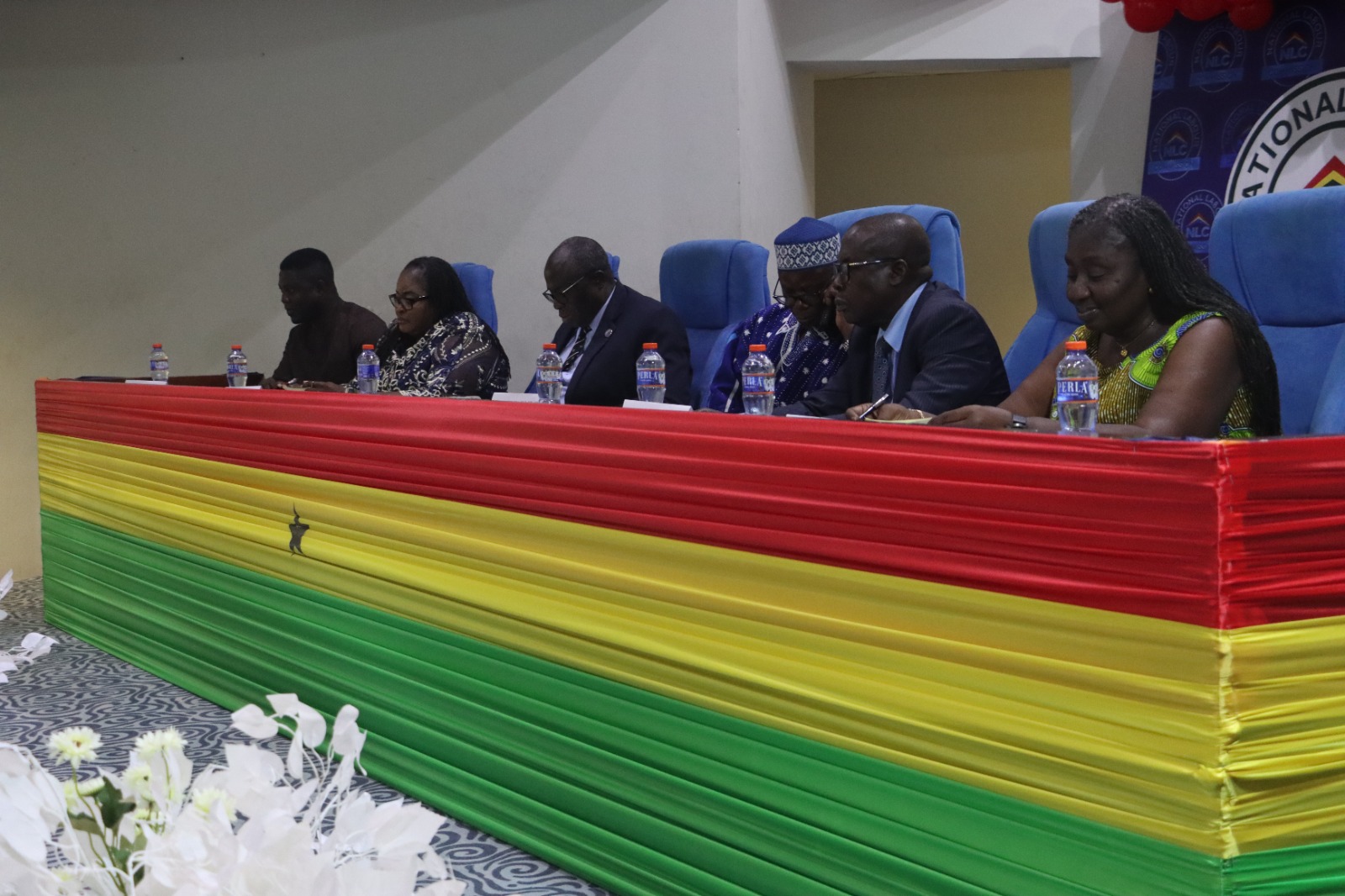
Speakers at a recent symposium in Accra have unanimously urged the government to adequately resource the National Labour Commission (NLC). This call emphasizes the critical need for improved funding and staffing to enable the NLC to perform its duties effectively.
The appeal was made during a forum held at Shippers House, commemorating the NLC's 20th anniversary. Experts highlighted that the Commission currently lacks essential working tools and sufficient financial capacity. This deficiency significantly impacts its service delivery and the timely resolution of labor cases across Ghana.
This situation fits into a broader narrative of underfunded public institutions in Ghana, often struggling to meet their mandates. The NLC's challenges reflect a persistent issue where vital regulatory bodies receive inadequate attention from successive governments. This trend can impede economic stability by delaying dispute resolution and potentially fostering industrial unrest.
Mr. Ofosu Asamoah, a former Executive Secretary of the Commission, was among the speakers who stressed these points. He noted that current allowances for staff are not competitive enough to attract qualified professionals. Dr. Bernice Welbeck, the current Executive Secretary, also highlighted the Commission's achievements in resolving numerous landmark cases over two decades.
The implications of an under-resourced NLC are significant for Ghana's labor market and overall economic productivity. Delayed case settlements can lead to prolonged industrial actions, affecting businesses and workers alike. Decision-makers must address these funding gaps to ensure a stable and productive working environment.
Speakers at the symposium also cited a lack of trained personnel, logistics, and modern equipment as major challenges. They advocated for the digitalization of the NLC's operations to improve efficiency and speed of case resolution. This modernization is crucial in an era of rapidly evolving technology and artificial intelligence.
The NLC was established under the Labour Act, 2003 (Act 651), to promote and maintain industrial harmony. Its mandate includes mediating and arbitrating labor disputes, preventing strikes, and ensuring compliance with labor laws. Without proper resources, its ability to uphold this mandate is severely compromised.
Dr. Welbeck also lamented the lack of interest and knowledge of labor laws among some workers and employers. She urged all working groups to understand and adhere to labor regulations to prevent unnecessary standoffs. The Commission prefers peaceful working environments over litigation to ensure productivity.
The call for increased government support is not merely about administrative efficiency. It is about safeguarding the rights of workers and employers, fostering a predictable business environment, and ultimately contributing to Ghana's economic growth. Adequate investment in the NLC will strengthen its capacity to resolve disputes fairly and promptly.
The government's response to these calls will be closely watched by labor unions, employer associations, and international bodies monitoring Ghana's labor practices. Ensuring the NLC is well-equipped is essential for maintaining social cohesion and economic stability in the country.