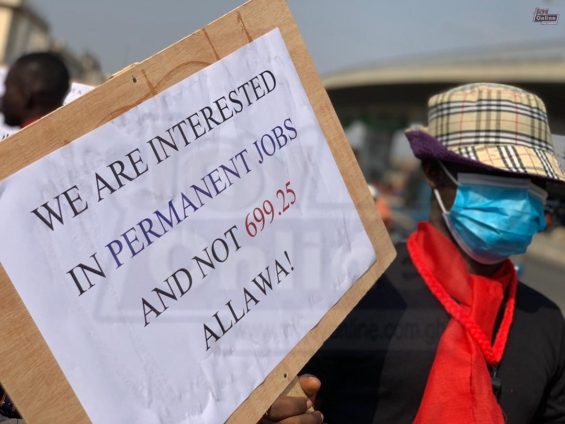
More than 50% of Ghana’s young population is affected by unemployment or underemployment, according to recent estimates from the Ghana Statistical Service (GSS). This alarming figure highlights a growing national crisis, with many graduates struggling to find stable and dignified work.
This widespread lack of meaningful employment is forcing highly educated individuals into low-paying, unstable, or informal jobs. These positions often do not match their qualifications or provide sustainable livelihoods. The situation threatens to undermine public confidence in higher education and national development efforts.
Ghana’s national unemployment rates have consistently ranged between 13% and 15% in recent years. This persistent challenge is a significant obstacle to the country's economic progress. It also contributes to social instability, as a large segment of the workforce remains underutilised.
The Ghana Report states that this crisis demands urgent action beyond political promises. Addressing unemployment requires consistent, long-term policies that encourage industrialisation and support entrepreneurship. It also needs strategies to attract investment and strengthen small and medium-sized enterprises.
The implications of this crisis extend beyond individual financial hardship. Prolonged joblessness negatively affects mental health, self-esteem, and family stability. It also risks increasing inequality and slowing overall economic growth. Ghana cannot afford to lose its valuable talent to disillusionment or migration.
Unlocking Ghana's human potential requires deliberate investment in job-creating industries. It also needs improved support for entrepreneurs and stronger partnerships between academia and industry. Educational reforms must align graduates’ skills with the evolving needs of the labour market.
The private sector must be empowered to become a stronger engine of employment. The government must provide the necessary policies and infrastructure for sustainable economic growth. This collective commitment from all stakeholders is crucial for addressing the challenge.
If decisive action is delayed, unemployment and underemployment will continue to undermine the nation’s progress. Many talented young people will be forced to settle for opportunities far below their potential. This will have long-lasting negative effects on Ghana’s future.