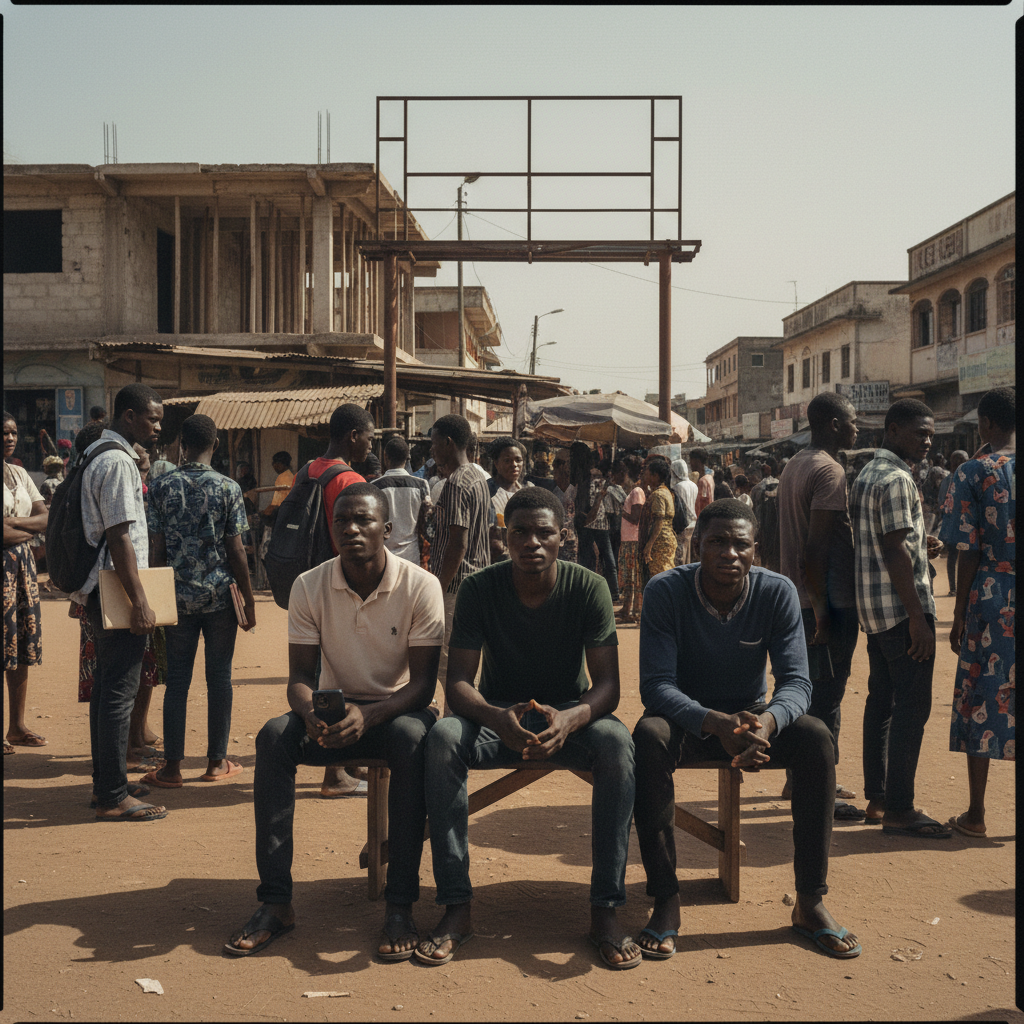
Ghana’s economic recovery efforts have not created broad prosperity. The African Development Bank (AfDB) reports that 32.00% of young Ghanaians are unemployed.
This high youth unemployment rate highlights significant structural weaknesses in the economy. Female unemployment stands at 14.80%, and overall inequality is 43.50%. This signals that recent economic improvements are not reaching all citizens.
Ghana has made progress in stabilizing its economy between 2022 and 2024. Inflation has decreased, and the Ghana Cedi has shown stability. The government rebuilt fiscal credibility under an International Monetary Fund (IMF)-supported program. However, the AfDB’s African Economic Outlook 2026 suggests these gains do not create enough jobs or reduce social disparities.
The AfDB stated in its report, "the country's recent recovery has yet to translate into broad-based prosperity." This assessment reinforces concerns that Ghana’s economic recovery remains non-inclusive. Key macroeconomic indicators show signs of improvement but do not reflect widespread well-being.
Ghana’s policymakers must now focus on making growth inclusive. This means supporting sectors that create many jobs. It also involves expanding access to skills training for young people. Improving financing for small and medium-sized businesses is crucial. Deepening agro-processing and strengthening local manufacturing can also create jobs. Investing in job-creating infrastructure is another vital step.
The AfDB noted that budget constraints in 2024 limited government spending on programs for the poor. These limitations affected efforts to help vulnerable households. The 2025/26 budget aims to address these issues. It plans increased investment in education, healthcare, and human capital development.
Ghana’s labor market challenge involves both the quantity and quality of jobs. The high youth unemployment rate points to a serious structural problem. This is especially true for a country with a young and growing population. It also raises questions about the alignment of education systems with market needs. These needs span sectors like agriculture, manufacturing, and digital services.
Female unemployment of 14.80% highlights gender-specific challenges. Women face barriers including access to finance, skills, and formal employment. Without targeted interventions, recovery benefits some groups more than others. This could worsen existing inequalities.
The AfDB projects a positive medium-term outlook for Ghana. They expect inflation to fall to single digits. This relies on exchange rate stability and continued policy discipline. The fiscal deficit is projected to be 2.60% of GDP in 2026 and 2.20% of GDP in 2027. The current account balance is forecast to remain in surplus at around 3.00%.
These forecasts suggest Ghana’s macroeconomic recovery is progressing. However, the AfDB warns that true recovery includes jobs, decent incomes, and participation for citizens. Ghana’s next phase of recovery must move from stabilization to inclusion. This requires protecting social spending during fiscal consolidation. Spending cuts in health or education can deepen inequality.
The AfDB's assessment serves as both encouragement and a warning. Ghana’s recovery is real but incomplete. The country rebuilds confidence, but the real test is converting it into jobs. Lower inequality and better living conditions are essential outcomes. Otherwise, Ghana risks stability on paper while leaving too many households behind.