Ghana's unemployment rate stood at 13.0% in the third quarter of 2025, according to the Ghana Statistical Service (GSS). This figure underscores a persistent challenge for young people transitioning from education to employment across the nation.
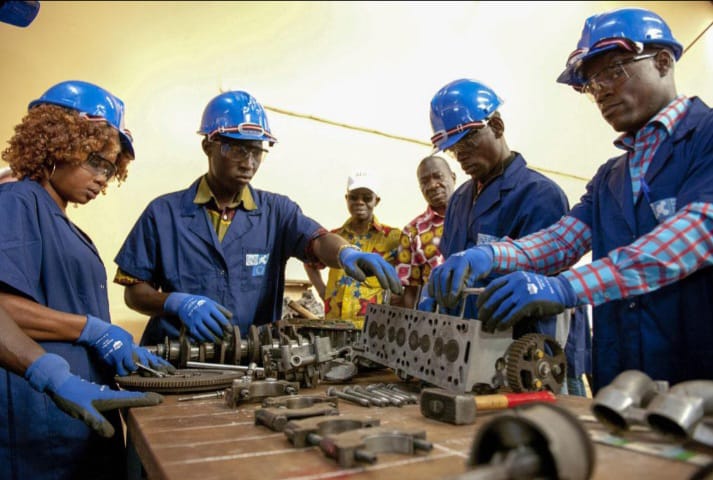
This high unemployment rate highlights the urgent need for new approaches to prepare young Ghanaians for the workforce. Vocational and technical training offers a practical solution, equipping individuals with essential skills to earn a living, start businesses, and even create jobs for others. However, a long-standing societal perception often views vocational training as a less desirable option for academically struggling students.
The current unemployment crisis fits into a broader narrative of Ghana's economic development and human capital challenges. Despite efforts to boost economic growth, the job market struggles to absorb the large number of graduates entering it annually. This trend suggests a mismatch between the skills produced by the education system and the demands of the modern economy. Addressing this gap is crucial for sustainable national development and poverty reduction.
Dr. Monica Lambon-Quayefio, an Associate Professor of Economics at the University of Ghana, stressed the need for a well-resourced system. Speaking at a webinar on youth employment, she called for better connections between education, employers, and support services. She also highlighted the importance of internships, apprenticeships, and improved job-matching to facilitate the school-to-work transition.
The implications of this high unemployment rate are significant for Ghana's economic stability and social cohesion. Without meaningful employment, young people face economic insecurity, which can lead to social unrest and hinder national progress. Decision-makers must prioritize policies that foster job creation and skill development. Increased investment in vocational training, coupled with financial support for graduates, will be critical for transforming job seekers into job creators. This approach requires a concerted effort from government, industry, and educational institutions to ensure that training is relevant and accessible.
Kofi Asare, Executive Director of Africa Education Watch, has also voiced concerns regarding financing for Ghana’s Technical and Vocational Education and Training (TVET) sector. He argues that insufficient funding directly impacts the quality of training provided. This inadequacy prevents the sector from delivering industry-relevant skills that employers demand. Asare advocates for increased investment and stronger partnerships between training institutions and industries. He also calls for better financial mechanisms to support TVET initiatives across the country.
For vocational training to truly succeed, government and other stakeholders must create an enabling environment. This includes investing in modern training equipment and ensuring the availability of qualified instructors. Stronger industry partnerships are essential to align training with market needs. Furthermore, affordable start-up support for graduates is crucial to help them establish their own businesses. Schools must also actively work to change the perception of vocational education, presenting it as a first-class pathway rather than a second choice.
While vocational training alone cannot solve youth unemployment, it offers a vital route to economic empowerment. Ghana also requires sustained economic growth, stronger industrial sectors, and increased private-sector investment to create more job opportunities. However, practical skills provide young people with an alternative path to earning a living and contributing meaningfully to the economy. Equipping young Ghanaians with skills, tools, experience, and financial support will enable them to build their own futures and contribute to Ghana's prosperity.