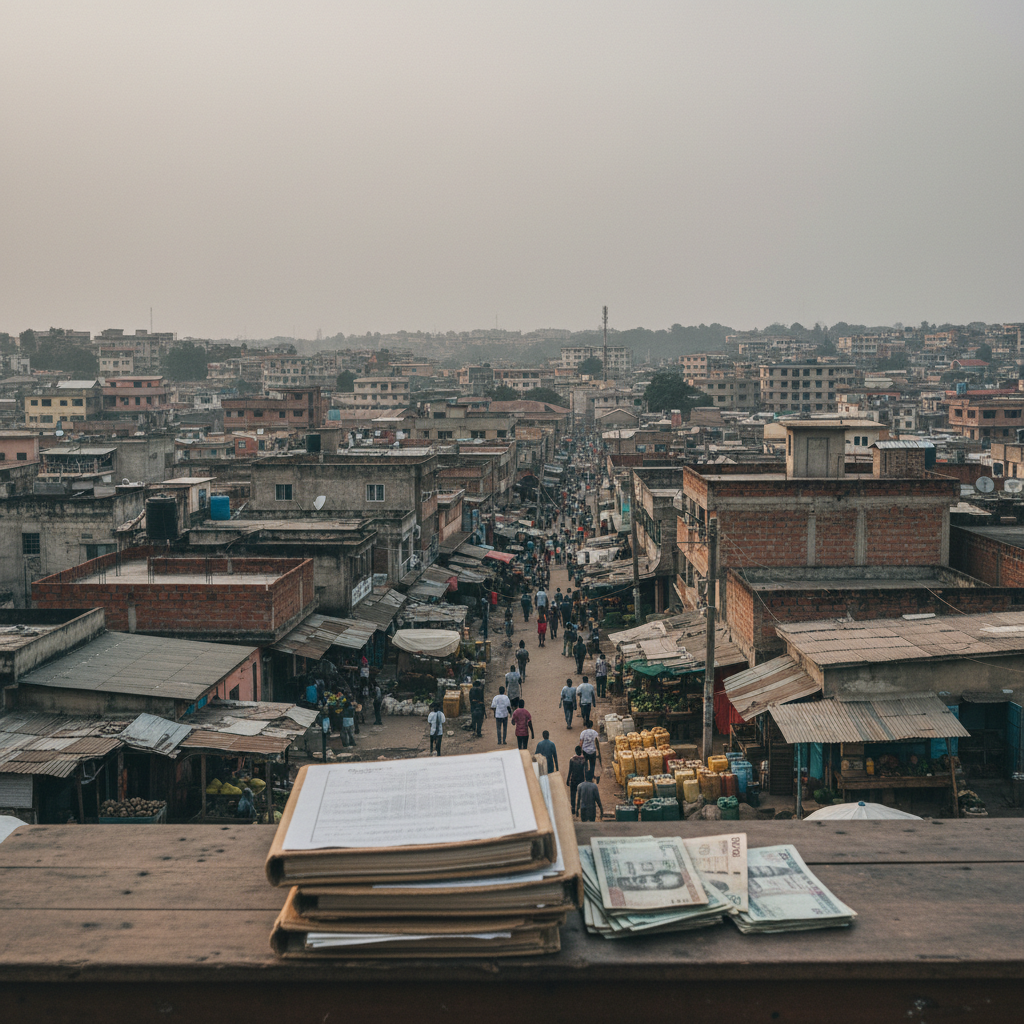
Ghana's escalating rent crisis has made securing accommodation a luxury for many citizens, particularly in rapidly expanding urban and educational areas. The cost of housing is placing immense pressure on households nationwide. This situation forces individuals to make difficult choices between rent, food, and other essential expenses.
The core issue stems from a significant imbalance between rising housing demand and stagnant incomes. As more people migrate to cities for jobs and education, the availability of affordable housing shrinks. This creates a painful reality where expensive accommodation meets limited financial resources for the average Ghanaian. Young graduates, for instance, often find their independence dreams shattered by the high cost of rent.
This crisis is a critical component of Ghana's broader economic narrative, highlighting growing income inequality and urbanisation challenges. The rapid population shift to urban centres, driven by economic opportunities, has outpaced the development of affordable housing infrastructure. This trend exacerbates existing social pressures and hinders economic mobility for a substantial portion of the workforce.
The MyJoyOnline News report highlights the plight of many Ghanaians. It states, "The question is no longer simply, 'Where can I find a room?' It is, 'How much of my life must I sacrifice to afford one?'" This sentiment underscores the severity of the situation. Experts suggest that without targeted interventions, the crisis will continue to deepen, affecting productivity and social welfare.
Looking ahead, the implications are significant for Ghana's economic stability and social cohesion. Policymakers will need to address the advance rent burden, which often requires tenants to pay several months or even years of rent upfront. This practice traps many in a cycle of debt. The government must consider regulatory reforms and investment in affordable housing projects to alleviate this growing pressure. Failure to act could lead to increased homelessness and social unrest.
The advance rent system presents a major hurdle for many Ghanaians. Even individuals with stable monthly incomes struggle to accumulate the large upfront payments required by landlords. This means a person can have a job but still be unable to secure a home. Many resort to borrowing from relatives or taking loans, starting their tenancy already burdened with significant debt. This financial strain can persist for years, undermining their economic progress.
Students are also severely impacted by the accommodation crisis. Gaining university admission, a moment of celebration, often turns into a stressful search for housing. Rooms near campuses are typically expensive, while more affordable options are often far away. This forces students to commute long distances, losing valuable study time, energy, and money. Some share cramped rooms with multiple people, compromising their living and learning conditions. This situation threatens the very purpose of education, which is to create opportunities.
Even when cheaper accommodation is found, it often comes with its own set of problems. These include poor sanitation, unreliable water supply, inadequate ventilation, and overcrowding. Such conditions are particularly detrimental for families with children. Raising children in an environment with limited space and poor hygiene can have serious long-term health and developmental consequences. This raises a crucial question: at what point does affordable housing become too expensive if it compromises human dignity and well-being?
The crisis also affects young graduates who, after years of education, find that securing a job does not guarantee independence. The high cost of rent often forces them to return to their parents' homes, not due to a lack of ambition, but because the financial mathematics simply do not work. This quiet frustration among young people highlights a systemic issue that needs urgent attention. Addressing the housing crisis is crucial for fostering a productive and stable workforce in Ghana.