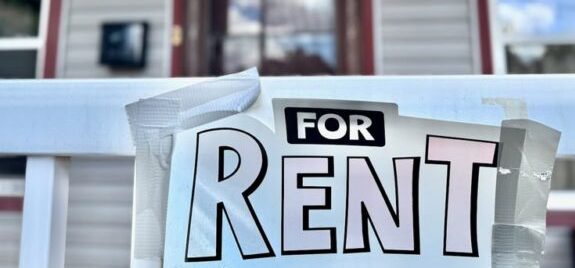
Ghana's escalating rent crisis is placing immense financial pressure on households across the country. The cost of accommodation, especially in urban and educational centers, now consumes a significant portion of many Ghanaians' incomes, turning basic survival into a luxury.
This severe imbalance stems from a rapid increase in housing demand, driven by population growth and migration to areas with job opportunities and educational institutions. However, average incomes have not kept pace with these rising housing costs. This creates a painful situation where expensive accommodation meets limited financial resources for the ordinary Ghanaian.
The housing crisis is a critical component of Ghana's broader economic narrative, highlighting the challenges of urbanisation and income inequality. It reflects a systemic issue where essential living costs outstrip the earning power of a substantial segment of the population. This trend impacts economic stability and social mobility, particularly for the youth and emerging workforce.
The Ghana Report highlights that for many, the search for accommodation has become a struggle for dignity and stability. This struggle is particularly acute for young graduates entering the workforce. They often find that the independence they envisioned is financially out of reach due to exorbitant rent demands.
The requirement for advance rent payments further complicates the situation for many tenants. While monthly rent can be challenging, the need to produce a large upfront sum makes securing accommodation nearly impossible for those with limited savings. This forces individuals to borrow from relatives, take out loans, or deplete their entire savings, starting their tenancy already burdened by debt.
Students are also severely affected by this crisis. Those travelling from other regions for university often face accommodation as their first major financial hurdle. Rooms near campuses are expensive, and affordable options are often far away, leading to long commutes that drain time, energy, and money. This can detract from their academic performance and overall well-being.
Even when cheaper accommodation is found, it often comes with significant compromises in living conditions. These options frequently feature poor sanitation, unreliable water supply, inadequate ventilation, overcrowding, and unsafe surroundings. For families, especially those with children, these conditions pose serious health and developmental risks. The human cost of such housing is substantial, raising questions about the true price of 'affordable' living.
The disproportionate cost of rent compared to salaries impacts broader economic activity. When a large portion of income is spent on housing, less money is available for other essential goods and services, affecting consumer spending and local businesses. This cycle can stifle economic growth and deepen financial hardship for many.
Addressing this crisis requires a multi-faceted approach, including policies to increase affordable housing supply and regulate rental markets. Decision-makers must consider the long-term implications of housing unaffordability on Ghana's economic development and social equity. The ongoing struggle for decent housing will continue to be a key indicator of economic well-being for many Ghanaians.