Ghana's government has stopped broad public sector salary negotiations for 2026. Instead, it will implement targeted adjustments to specific allowances. This decision aims to protect Ghana's financial stability and complete a wider reform of its public sector compensation system.
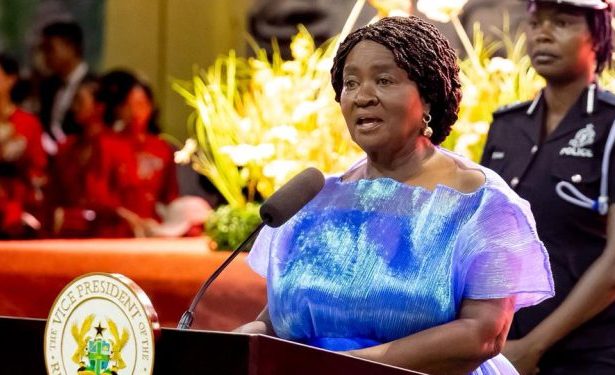
Vice President Professor Jane Naana Opoku-Agyemang announced this at the National Labour Conference in Ho. The government will not reopen major nationwide salary negotiations this year. The administration prioritises preserving macroeconomic stability while finalising a new public sector pay policy. This new policy intends to make public service pay more transparent, fair, and sustainable.
This decision signals a careful wage policy stance. Ghana is currently consolidating recent positive economic changes. It wants to control government spending and rebuild trust in how the national budget is managed. The government will make small changes to specific allowances. This happens as it works towards a full reorganisation of the public pay system. The broad freeze on salaries aims to prevent large spending increases that could weaken fiscal consolidation.
Public sector wages are a very important part of Ghana’s budget, both politically and economically. They affect hundreds of thousands of workers and their families' incomes. These wages also influence relationships with labour unions. Crucially, they determine how much money the government has left for critical areas like infrastructure, healthcare, education, and social protection programmes.
The government argues that large wage increases could hurt efforts to stabilise the economy. Officials believe that limiting major pay increases in 2026 will help keep inflation low. It will also maintain financial discipline and budget credibility. The government’s engagement with organised labour has been critical throughout this process.
This decision also recognises that Ghana's public sector pay system has needed structural reform for a long time. Past governments have faced challenges with different pay levels across institutions. They have also dealt with many different allowances, worker protests, and constant wage negotiations. These issues created a compensation system difficult to manage, uneven, and prone to financial problems.
A new public sector pay framework is expected later this year. This framework aims to create a more unified structure for pay across all government institutions. If designed well, it could reduce long-standing pay differences. It could also improve the predictability of wage planning. This framework could also link pay more closely to productivity, affordability, and public service priorities.
Reforming public sector pay is rarely easy. It affects people's livelihoods, institutional benefits, union expectations, and political promises. Any attempt to simplify pay and allowances will likely face opposition from groups who feel disadvantaged by the new rules. Officials have stressed involving labour unions to balance worker welfare with economic stability. This balance will determine the reform's success.
Workers will need assurances that budget discipline is not a permanent excuse to keep wages down. The government, in turn, expects labour to accept that wage growth must match government revenue. It must also consider debt obligations and broader public spending needs. The decision to focus only on allowances may help manage this tension. Targeted allowance adjustments can solve specific problems without causing the same large financial impact as a general wage increase. However, if not handled openly, allowance changes can make feelings of unfairness worse across the public service. The new planned pay policy must clearly explain how allowances are decided. It must also detail which categories qualify, what financial limits apply, and how pay differences will be addressed. The government has also reaffirmed its commitment to protecting pension contributions and meeting required social security payments.