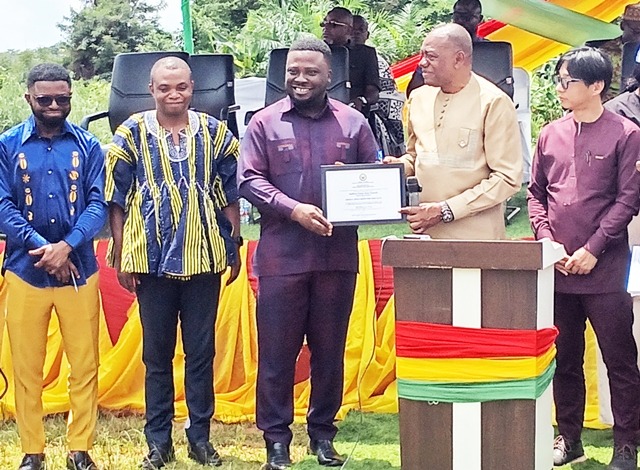
Ghana's Labour Minister, Dr. Abdul-Rashid Hassan Pelpuo, has officially declared three cocoa farming communities in the Atwima Mponua and Bibiani Anwiaso Bekwai Districts as the nation’s first Child Labour-Free Zones. These communities are Kuffuor Camp, Subri, and one other located in both the Ashanti and Western North Regions. This declaration marks a significant milestone in Ghana's ongoing efforts to eliminate child labour, especially within its vital cocoa sector.
The initiative adopts a community-driven approach to combat child labour, focusing on practical and effective methods. It addresses the issue where children are often involved in cocoa production for commercial purposes. The collaboration between the government and its partners has been crucial in achieving this progress. The communities of Subri and Kuffuor Camp achieved Grade B status, scoring 77.7% and 83.62% respectively in recent assessments.
This development aligns with Ghana's broader commitment to sustainable development and ethical agricultural practices. Child labour remains a significant concern in Ghana, particularly in cocoa-growing areas, impacting children's access to education and their overall well-being. Data from the Ghana Statistical Service indicates that child labour prevalence, though declining, still affects thousands of children, posing risks to the country's international trade relations and human rights standing. This new model provides a blueprint for expanding efforts across other vulnerable communities.
Dr. Pelpuo described the Child Labour-Free Zone model as a bold and effective strategy capable of drastically reducing child labour. He emphasized that the initiative demonstrates measurable results. He also acknowledged the financial and logistical support from the Government of Japan, praising their sustained commitment to child protection.
The success of these Child Labour-Free Zones is expected to influence future policy decisions and resource allocation concerning child protection. Decision-makers and market stakeholders will closely observe the effectiveness and scalability of this model. This could lead to increased investment in community-based interventions and enhanced monitoring mechanisms to ensure children are removed from farms and enrolled in schools. International partners are also likely to support this proven approach, strengthening Ghana's position in global supply chains that demand ethically produced goods.
Dr. Frank Amoakohene, the Ashanti Regional Minister, underscored the need for collective action from communities, parents, and chiefs to safeguard children's rights. He called upon opinion leaders and stakeholders to champion the fight against child labour. This collective effort aims to promote quality education and proper child health within the affected communities. Mr. Sebastian Obeng, Municipal Chief Executive for Bibiani Anwiaso Bekwai, reiterated that local assemblies will collaborate with traditional authorities on this issue. He stressed that investing in children represents an investment in the nation's future.
A representative from the Japanese Embassy, Mr. Mitori, affirmed that children are fundamental to national development and deserve safety and education. Mr. Uchiyama Takayuki from the Japan International Cooperation Agency (JICA) commended Ghana's efforts. JICA has supported actions against the worst forms of child labour since 2018. He urged development partners and civil society organizations to continue partnering to eliminate child labour and protect children's rights.