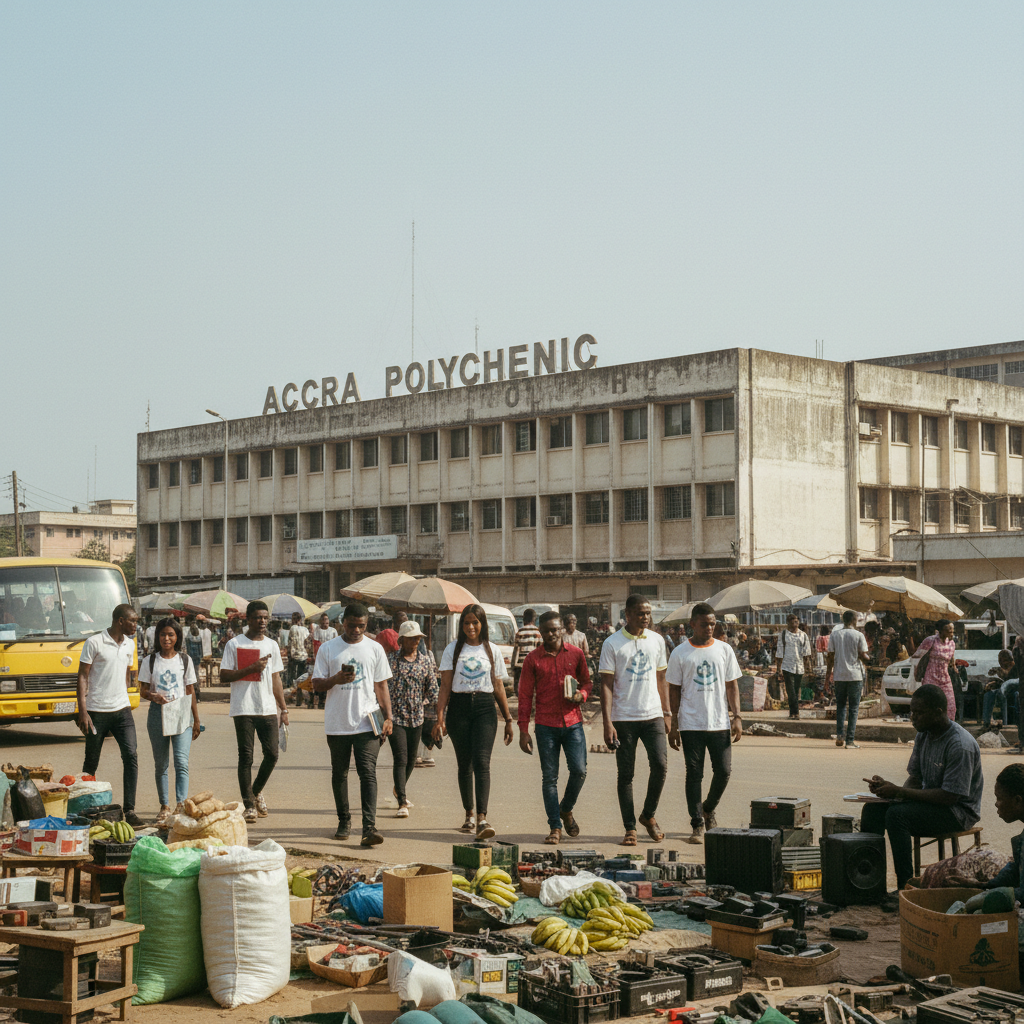
Kofi Asare, Executive Director of Africa Education Watch (Eduwatch), has asserted that university degrees should be evaluated based on the skills they impart. He states this approach is more relevant than judging degrees purely on whether they lead to specific jobs. This position directly addresses an ongoing national conversation about tertiary education's value.
Mr. Asare's comments follow remarks from Dr Yaw Osei Adutwum, former Education Minister and Bosomtwe MP. Dr Adutwum reportedly described some university programmes as “useless” or “degrees to nowhere.” These statements sparked significant public debate regarding the purpose and effectiveness of university education in Ghana. Eduwatch advocates for a broader view of a degree's utility.
This discussion aligns with Ghana's ongoing efforts to improve its educational system and workforce preparedness. The nation faces challenges in matching graduate skills with industry needs. Data from the Ghana Statistical Service often highlights unemployment rates among university graduates. Ensuring degrees provide practical skills is crucial for Ghana’s economic development. This shift could help reduce graduate unemployment and boost entrepreneurship.
“Not every university degree needs to be directly tied to a specific job,” Mr Asare said in a Facebook post. “But every degree must build the skills to succeed in work, further study, or entrepreneurship.” He invoked a proverb, “The wise elephant remembers paths, not just places,” to underscore his point. This emphasizes the importance of adaptable skills over narrow job training.
The focus on skills over specific job titles has important implications for educational policy and curriculum design. Universities may need to restructure programs to emphasize critical thinking, problem-solving, and adaptability. These are qualities employers increasingly seek in a rapidly changing job market. Regulatory bodies like the Ghana Tertiary Education Commission (GTEC) could review accreditation standards. This would ensure programs align with a skills-based approach. Such a shift could better prepare Ghana's youth for future economic challenges.
The debate also highlights the need for civil discourse on critical national issues. Mr Asare urged Ghanaians to maintain respectful discussions on education policy. He cautioned against personal attacks on those with differing viewpoints. This call for civility is important for productive policy development. It fosters an environment where diverse perspectives can contribute to better solutions. The long-term impact on Ghana's labor market and economic growth will depend on how universities respond to these calls for skills-focused education. Policymakers will observe the outcomes closely.