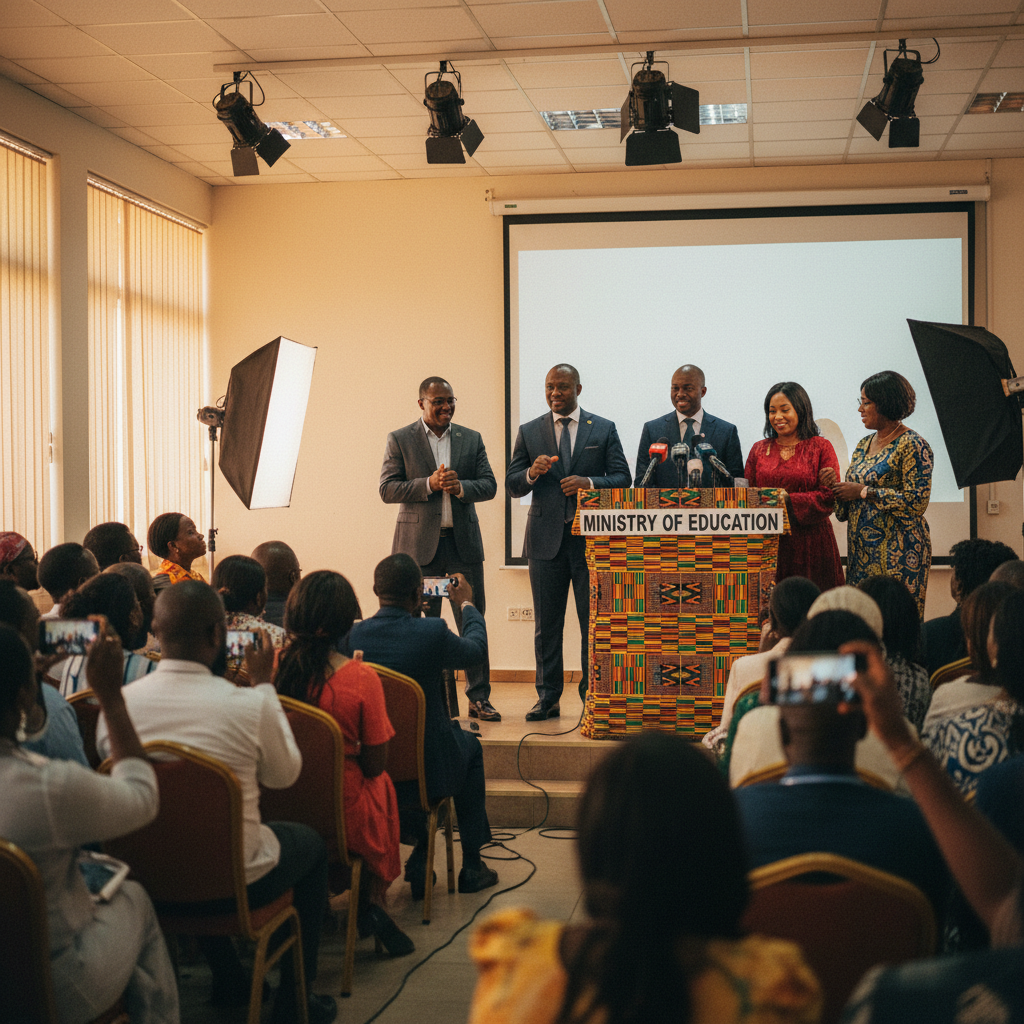
Ghana's Ministry of Education has signed agreements with universities to start a programme for non-professional teachers. This new initiative, the Postgraduate Diploma in Ghana Teacher Professionalisation (PGG), will turn these teachers into fully certified educators. Officials anticipate this programme will improve the quality of teaching across the country.
The PGG programme will give teachers without formal training the necessary skills and knowledge. These skills cover teaching methods and classroom management. Equipping these teachers will help improve learning outcomes for students nationwide. The programme tackles a major issue within Ghana’s education system.
This initiative fits into Ghana's broader efforts to strengthen its human capital and improve public services. Quality education is crucial for economic development and social progress. Past reports have highlighted disparities in teacher qualifications, especially in rural areas. The PGG programme could standardize teacher quality across all schools.
The Ministry of Education confirmed its commitment to raising teaching standards. It views this programme as a strategic intervention. The Ministry released details of the plan on Wednesday, June 10, stating the goal is to ensure all teachers meet professional criteria. This aligns with government targets for education reform and workforce development.
This professionalisation effort could lead to an improvement in national examination results over time. It will also likely increase teacher retention rates by providing career progression paths. Policymakers and education stakeholders will closely monitor the programme's effectiveness and its impact on student performance. The success of this programme could influence future education policy decisions.
The government's investment in teacher training aims to boost overall productivity in the education sector. Enhanced teacher skills are expected to translate into better-equipped graduates for the job market. This has significant implications for Ghana's economic future. Strengthening education outcomes directly supports long-term national growth objectives and reduces unemployment rates.
The Education Minister first proposed the PGG programme earlier this year. This move signals a proactive approach to addressing foundational issues in schooling. It aims to bridge the gap between academic knowledge and practical classroom application. Parents and students across Ghana stand to benefit from a more skilled teaching workforce.