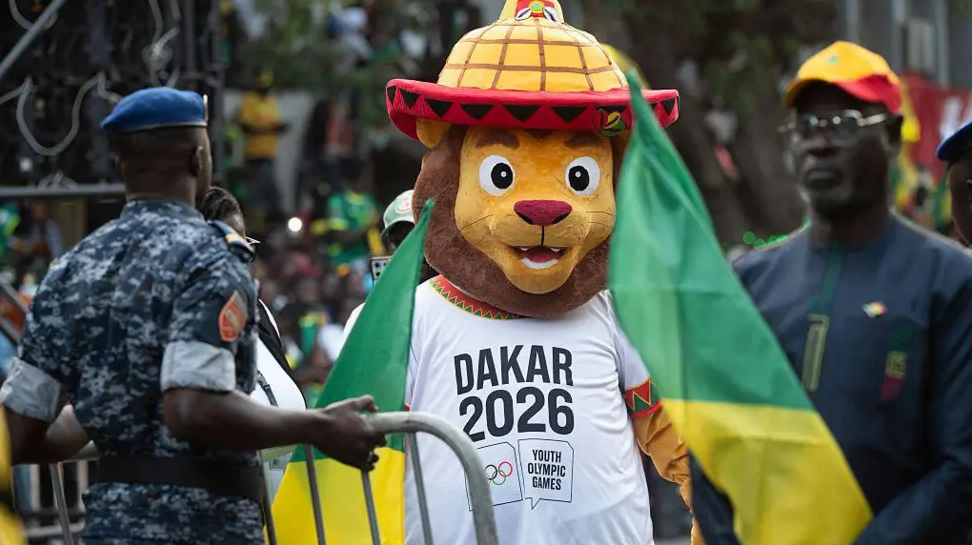
The Dakar 2026 Youth Olympics, set to commence in 100 days, will be the first Olympic event ever hosted on African soil. This landmark occasion, beginning on October 31, is poised to bring substantial economic benefits to Senegal, particularly in addressing its high youth unemployment.
The International Olympic Committee (IOC) official Christophe Dubi described the event as "monumental," highlighting its significance for the entire continent. While Africa has hosted numerous international competitions, this marks the first time an event carries the Olympic rings. The Games were initially planned for 2022 but were postponed due to the Covid-19 pandemic, allowing for more extensive preparation.
This event fits into a broader narrative of Africa's growing global prominence and its demographic advantage. The continent is the world's youngest, with 70% of people in sub-Saharan regions under 30, according to the United Nations. Hosting the Youth Olympics provides a powerful platform to showcase Africa's potential and its capacity to manage large-scale international events. It also offers a unique opportunity to engage with its youthful population.
Thierno Cisse, deputy chief operating officer of the Local Organising Committee (LOC) for the Games, emphasized the country's responsibility. He stated, "We know we are going to be ambassadors for Africa during this period." Cisse added that it is crucial for Senegal to proudly represent the entire continent and demonstrate Africa's high standards.
The Games are expected to generate significant employment opportunities, directly addressing a critical issue in Senegal. A recent report by Senegal's statistics and demographics agency indicated that unemployment among those aged 15-34 exceeds 27%. Dakar resident Issa Diao noted, "When we have this kind of event here, it will help people to get jobs." This influx of jobs could alleviate some pressure from irregular migration, a challenge faced by many young people seeking better prospects abroad.
Organizers are focusing on a strong legacy, appointing high-profile ambassadors like Senegal football captain Kalidou Koulibaly. The IOC also launched a program last year to train over 400 young Africans in event operations, logistics, and technology. Cisse confirmed that this recruitment strategy has opened doors to the entire continent, with volunteers from more than 30 countries.
The Games will feature approximately 2,700 athletes competing in 25 sports, alongside ten non-competitive engagement sports. Instead of constructing new, potentially underutilized venues, organizers have prioritized restoring and preserving existing sites. Dubi highlighted that two magnificent locations in central Dakar were saved for sport rather than being sold for housing, demonstrating a commitment to sustainable development and long-term community benefit. This approach ensures that the economic and social impacts extend well beyond the duration of the Games.