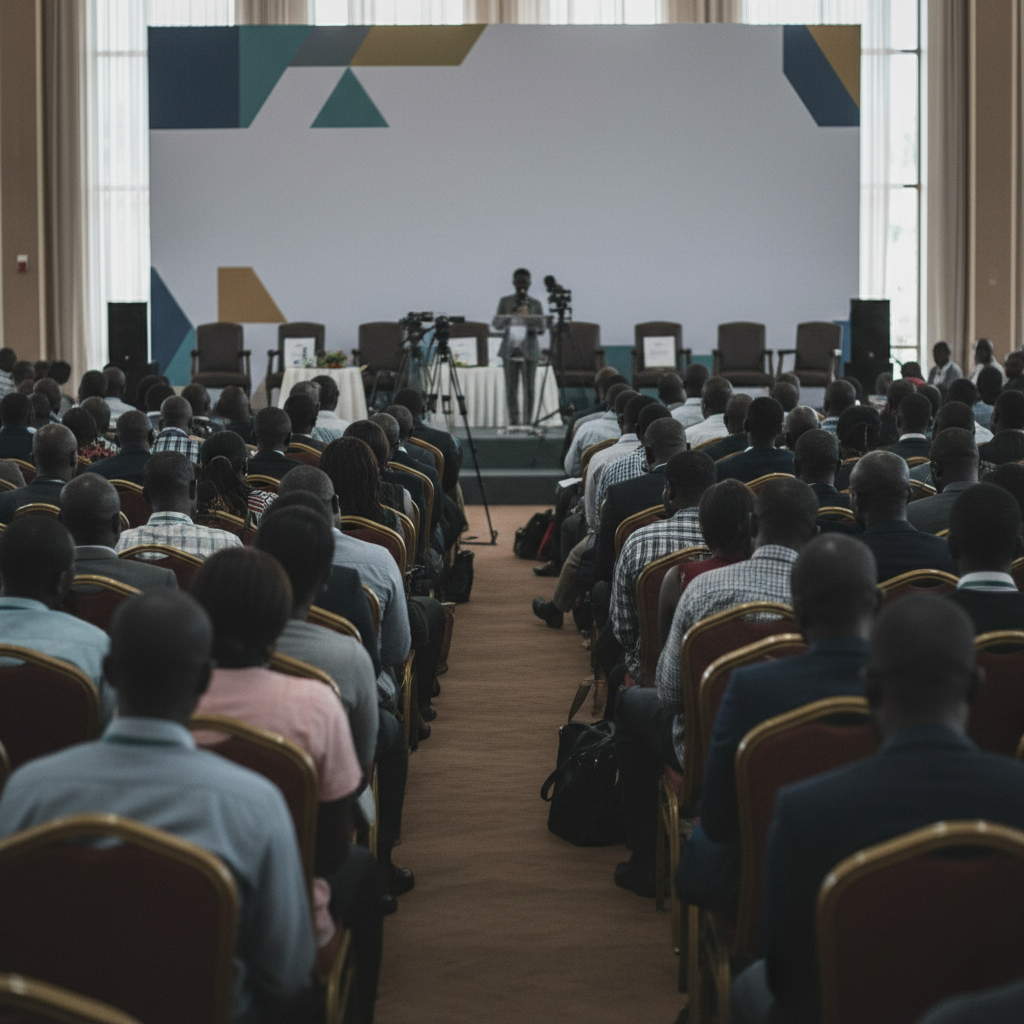
Child trafficking survivor Godson Glawu urged the Ghanaian government to treat funding for child protection systems as a sustained national priority. Mr. Glawu shared his story at the National Justice Conference 2026 in Accra on Tuesday. He explained how coordinated investment in rescue and aftercare services transformed his own life.
Mr. Glawu, now a chapter leader with the Ghana Survivor Network in Keta, highlighted the importance of these systems. He was trafficked from Keta to Lake Volta at age seven. For ten years, he was forced into fishing labor, including dangerous net untangling without protection. Mr. Glawu endured beatings and witnessed a friend's death during this period.
His testimony fits into a broader national conversation about child protection. Ghana’s Human Trafficking Fund exists to combat this issue. However, stakeholders are pushing to fully resource these legal commitments into lasting protection systems. Data from International Justice Mission (IJM) suggests a 50-85% drop in trafficking in countries with sustained justice investment. This indicates that effective funding can significantly reduce child trafficking.
Mr. Glawu was rescued in 2015 through a police operation supported by International Justice Mission Ghana. He described this rescue as a result of funding, training, and logistics, not chance. He later enrolled in an aftercare program, reunited with his mother, and trained as an electrician. "We need you to increase investment in child protection systems. Not as a one-time effort, but as a sustained national priority," Glawu told government officials. He called for increased funding for police, social welfare services, and prevention programs.
These calls have significant financial implications for public finance. Increased government spending on social welfare and law enforcement will be required. The 2026 national budget planning will likely factor in these appeals. Officials will evaluate resource allocation for child protection initiatives. This follows ongoing efforts to strengthen judicial and social support structures. There is a need to move beyond reactive measures to proactive prevention efforts.
The emphasis on sustained funding signals potential shifts in national budgetary priorities. Decision-makers will need to assess the economic impact of child trafficking versus investment in prevention. Markets will watch for any government commitments or policy changes that reflect this prioritization. Such changes could influence investment in social infrastructure. The Ghana Survivor Network's efforts, supported by individuals like Pastor Busenu Deku, show that local action also plays a role. These local initiatives often require institutional support to scale. Decision-makers must consider integrating survivor-led initiatives into national frameworks to maximise impact. This approach seeks to ensure long-term, tangible results in child protection.