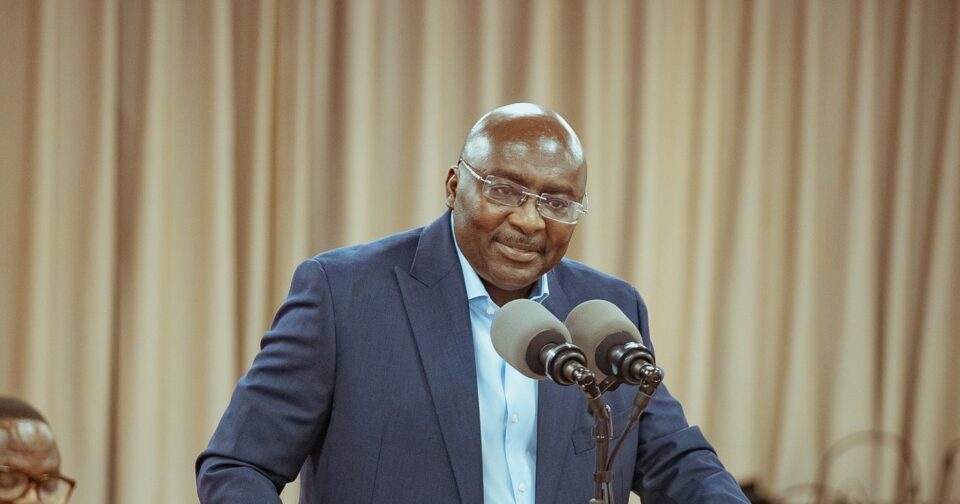
New Patriotic Party (NPP) flagbearer, Dr. Mahamudu Bawumia, has called for greater opportunities for Ghanaian youth. He acknowledged the significant challenges many young people face in finding jobs and starting businesses. This statement highlights a critical economic and social issue in Ghana.
Dr. Bawumia made these remarks in a message marking International Youth Day. He noted that young Ghanaians share common aspirations for decent work and dignity. However, limited job opportunities and the high cost of business creation hinder these aspirations. Many young people feel uncertain about their future prospects.
Ghana's youthful population represents a significant national strength. Young people demonstrate talent, determination, and ambition across various sectors. Policymakers therefore have a clear responsibility to create opportunities matching these ambitions. This will enable young Ghanaians to contribute meaningfully to the country's development. Youth unemployment remains a persistent challenge, with official figures often understating the true scope of underemployment. The National Youth Policy aims to address these issues, but implementation requires sustained effort and investment.
Dr. Bawumia emphasized that Ghana can be a place where young people build the future they desire. He shared this perspective in a Facebook post on Wednesday, August 12. His comments underscore the government's ongoing commitment to youth empowerment. This commitment is crucial for maintaining social stability and driving economic growth. The average age in Ghana is approximately 21 years, making youth engagement vital for long-term prosperity.
This call for action implies a need for targeted government policies and private sector collaboration. Decision-makers will likely focus on initiatives to boost job creation and reduce barriers to entrepreneurship. Investors and financial institutions will watch for policy shifts supporting youth-led ventures. The government's upcoming budget and economic plans may reflect these priorities. Addressing youth unemployment is essential for Ghana's economic future and social cohesion.
The economic implications are substantial, as a large, unemployed youth population can strain public resources. Conversely, a productive youth demographic can significantly boost GDP growth. Future policy debates will undoubtedly center on how best to harness this demographic dividend. This includes investments in education, skills training, and access to capital for young entrepreneurs. The success of these efforts will shape Ghana's economic trajectory for decades.