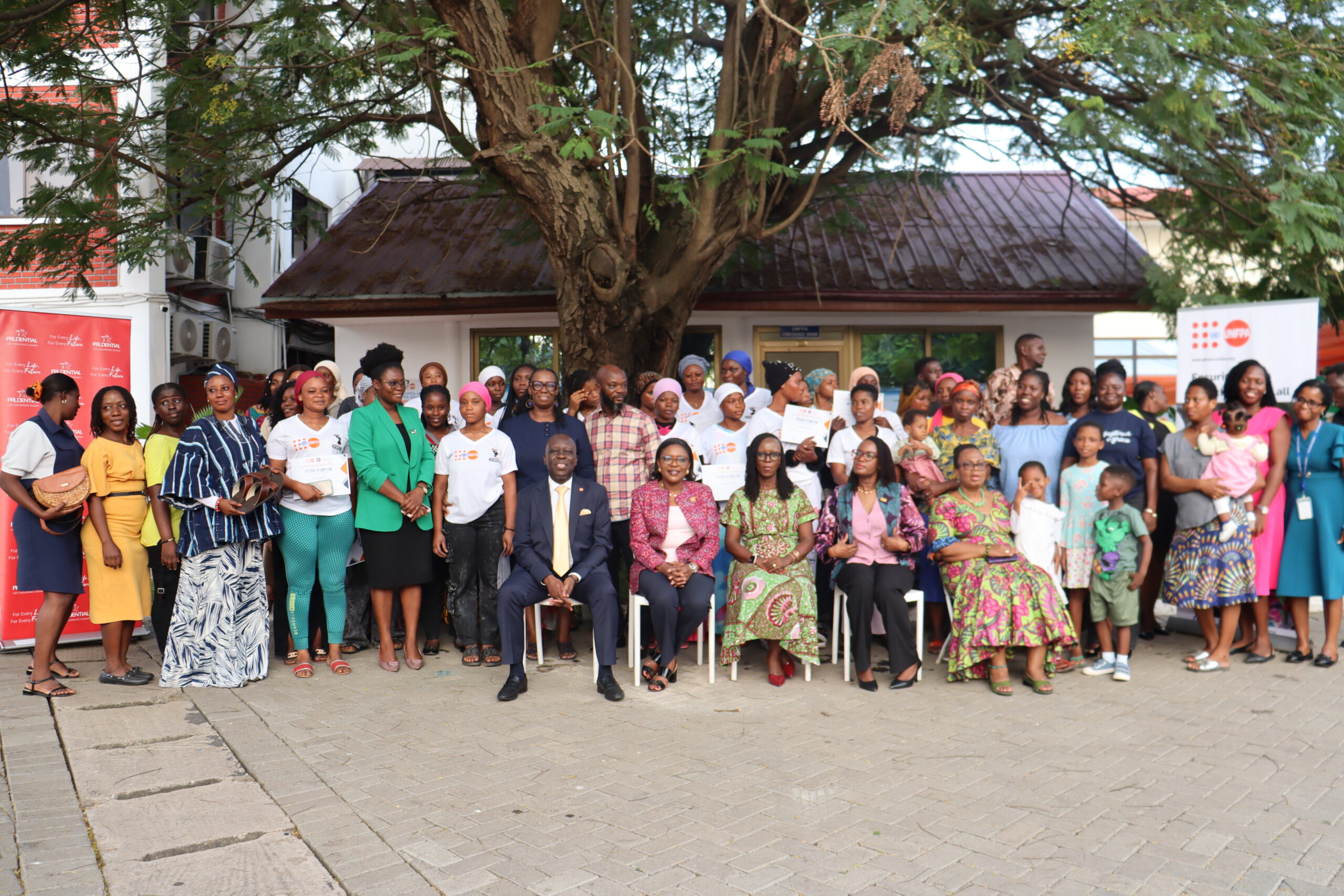
Twenty-five head porters, known as Kayayei, have successfully completed a vocational skills training programme. This initiative, supported by the United Nations Population Fund (UNFPA), aims to provide vulnerable young women with sustainable livelihood opportunities. The recent graduation brings the total number of girls and young women trained under this programme to more than 2,000.
The programme equips beneficiaries with practical skills in various trades. These include tiling, painting, beauty-related services, and waste recycling. The goal is to offer alternative income sources, enabling these young women to leave street life and escape poverty. This empowerment allows them to build dignified and self-reliant lives.
This initiative is crucial for Ghana's broader economic and social development. Many young women migrate from rural areas to urban centres seeking work, often ending up as Kayayei. This exposes them to significant risks, including exploitation and gender-based violence. Providing vocational skills addresses a critical gap in economic opportunity and social protection for this vulnerable group.
Dr. Wilfred Ochan, the Country Representative for UNFPA Ghana, stated the initiative seeks to provide vulnerable young women with alternative income sources. He emphasized that this enables them to leave the streets, escape poverty, and build dignified lives. Dr. Ochan also mentioned plans to expand the programme across the country. This expansion will involve working with technical and vocational education institutions to offer recognised certification. Lessons from the initiative will also inform policies addressing the factors driving young women to migrate to urban centres and the risks they face.
The expansion of this programme holds significant implications for Ghana's labour market and social welfare. By offering certified skills, it can integrate more young women into the formal economy. This will reduce their reliance on precarious informal work. It also has the potential to influence national policies on youth migration and protection. Such policies could create safer environments and more opportunities for young women nationwide.
Rose Sarr, UNFPA Regional Liaison to the African Union, advised graduates to be cautious in their relationships as they gain financial independence. She noted that improved economic status might attract individuals with ulterior motives. Madam Sarr also called for the programme's expansion through continued collaboration. This collaboration should involve government, private sector partners, and development organisations to reach more vulnerable young women across the country.
A beneficiary, Mary Lancelot, shared how the training transformed her life. She stated it gave her the skills and opportunities to become self-reliant. Ms. Lancelot has since trained about 50 other girls in her community. She has also secured international partnerships, demonstrating the programme's tangible impact. This success highlights the potential for economic multiplier effects within communities.
Beyond vocational training, participants receive essential education on sexual and reproductive health. They also learn about preventing sexual exploitation and gender-based violence. This holistic approach helps them make informed life choices and protect themselves. This comprehensive support is vital for their overall well-being and long-term success. The programme's focus on both economic and social empowerment sets a precedent for future development initiatives in Ghana.