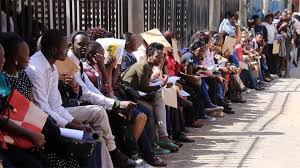
Nearly 2 million young Ghanaians, aged 15 to 35, are neither in education, employment, nor training. The Ghana Youth Federation revealed this critical statistic, underscoring a severe youth unemployment crisis in the country. This figure represents a significant portion of Ghana's young population facing economic exclusion.
The President of the Ghana Youth Federation, Sherif Ghali, stated this at the National Youth Forum on August 19. He highlighted that youth unemployment stands at 21.9%, significantly higher than the national average of 12.8%. In the Greater Accra Region, the situation is even more dire, with youth unemployment reaching 31.9%.
This alarming trend fits into Ghana's broader economic narrative of job creation challenges. Despite efforts to boost economic growth, the formal sector struggles to absorb the large number of young people entering the job market annually. Data from the Ghana Statistical Service often points to high underemployment and informal sector dominance, particularly among youth. This persistent gap between educational output and market demand fuels social and economic instability.
Mr. Ghali urged policymakers to see these figures as real struggles, not just statistics. He said, “Nearly 2 million young Ghanaians between age 15 and 35 are neither in education, nor employment, nor training. That is not a statistic. That is a young man in Wa who has sent out 40 applications and has not gotten any reply, not even a rejection.” He also cited the difficulty for young people to secure capital after completing apprenticeships, preventing them from starting businesses.
The implications of this widespread youth disengagement are profound for Ghana's economic future. A large, unemployed youth population can lead to reduced productivity, increased social unrest, and a drain on public resources. Policymakers must now consider targeted interventions, including skills development programs and access to affordable credit for young entrepreneurs. The government's response to this crisis will be crucial for maintaining economic stability and fostering inclusive growth. Investors and businesses will also monitor how this demographic challenge is addressed, as it impacts consumer spending and labor availability.
The economic pressures on young people are evident in everyday occurrences. Mr. Ghali referenced a recent KFC promotion where young people pushed and fought security for GHS 15 chicken and fries. He argued this incident was not just reckless behavior but a symptom of deep economic hardship. This highlights the urgent need for sustainable job creation and business opportunities across all regions of Ghana. Addressing this crisis requires a multi-faceted approach involving government, private sector, and educational institutions. Failure to act decisively could hinder Ghana's long-term development goals and exacerbate existing inequalities. The nation's demographic dividend, its large youth population, risks becoming a burden if not properly harnessed through meaningful employment and training.