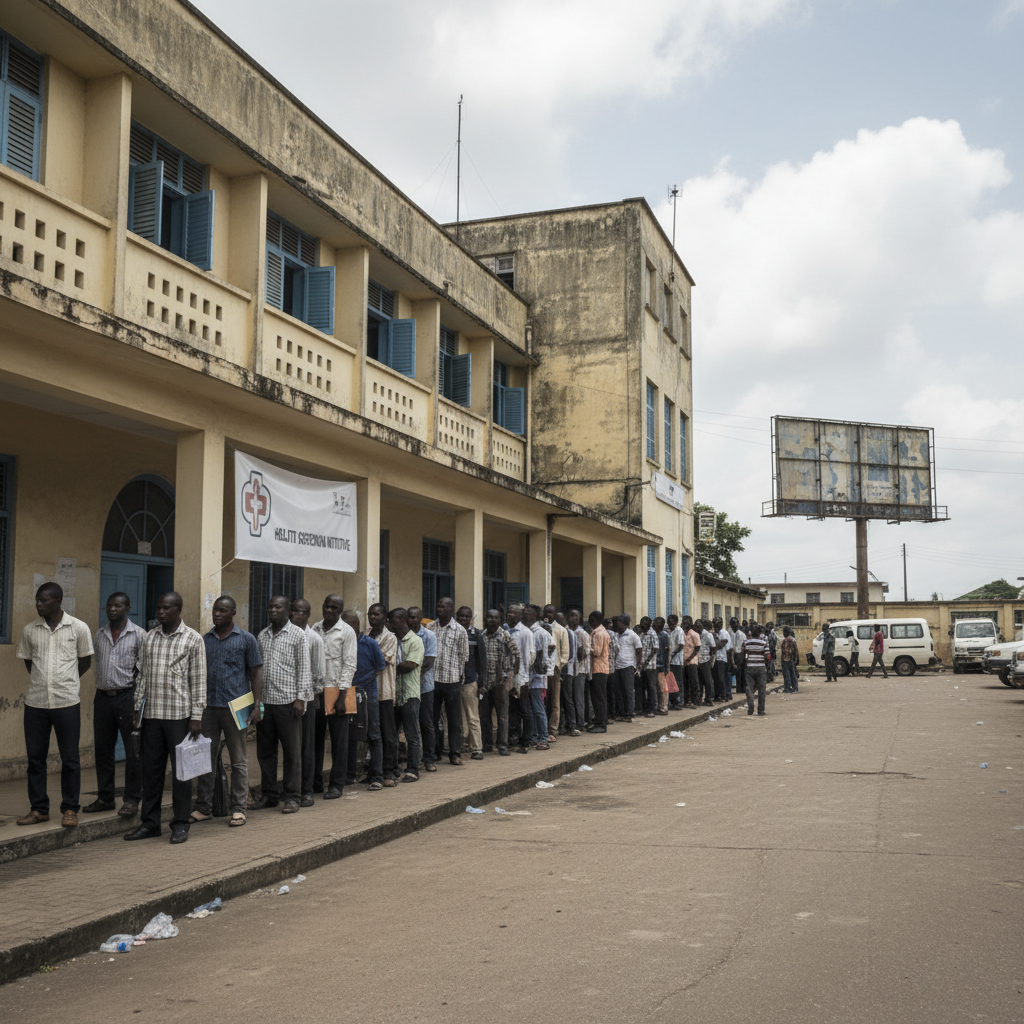
Ghana's Interior Minister Muntaka Mohammed-Mubarak announced that 1,300 applicants in the recent security services recruitment tested positive for HIV. This occurred during mandatory medical screenings for potential recruits. The significant number influenced the government's approach to delivering medical results.
The government decided against directly sending medical results to unsuccessful applicants. This decision prioritises proper counselling and aligns with international health guidelines. Instead, applicants who failed the medical examination receive contact details. This allows them to voluntarily seek further information about their results.
This situation highlights public health challenges within Ghana's workforce, especially among young people seeking employment. Military and security recruitments often provide a snapshot of general health trends among a specific demographic. A high prevalence of HIV, alongside other conditions, could indicate broader public health needs that demand attention and resources.
Minister Muntaka explained his position before Parliament's Public Assurance Committee on July 7, 2026. He stated, "I remember the recent recruitment we had. I think about 1,300 also were on HIV. Can you imagine sending somebody a result telling the person that you have HIV?" He emphasized that such sensitive information requires careful handling and counselling.
Unsuccessful applicants who contact recruitment authorities undergo counselling before learning their specific medical reasons for disqualification. The Minister noted that many identified medical conditions are treatable. Knowledge of one's health status helps individuals seek appropriate care and potentially qualify for future recruitment drives. This policy aims to protect individuals while encouraging health management.
The medical screening process extended beyond HIV detection. It also identified other significant health issues. These included hepatitis B, cardiac problems, various mental health conditions, and complications from previous major surgeries. Drug-related issues were also among the disqualifying conditions found.
Over 100,000 applicants underwent these comprehensive medical examinations. They had all successfully passed the initial aptitude test stage of the recruitment process. The broad scope of the screening provides valuable data on the health of the potential workforce.
The Interior Minister encouraged all unsuccessful applicants to request their medical results. He stressed that some individuals may have conditions they are unaware of. Early knowledge allows for effective management and better health outcomes. This proactive approach benefits both the individual and public health.
Members of the Parliamentary Committee urged the Ministry to consider directly counselling applicants diagnosed with HIV. They argued that early awareness and treatment are crucial for preventing further transmission. Improved long-term health outcomes for affected individuals also support this approach. The debate continues on the best method for communicating such sensitive information.
Minister Muntaka maintained that the current approach protects applicants from the shock of receiving sensitive medical information without proper support. He affirmed that this method aligns with established international health protocols. These protocols cover the communication of diagnoses for conditions like HIV and hepatitis B.