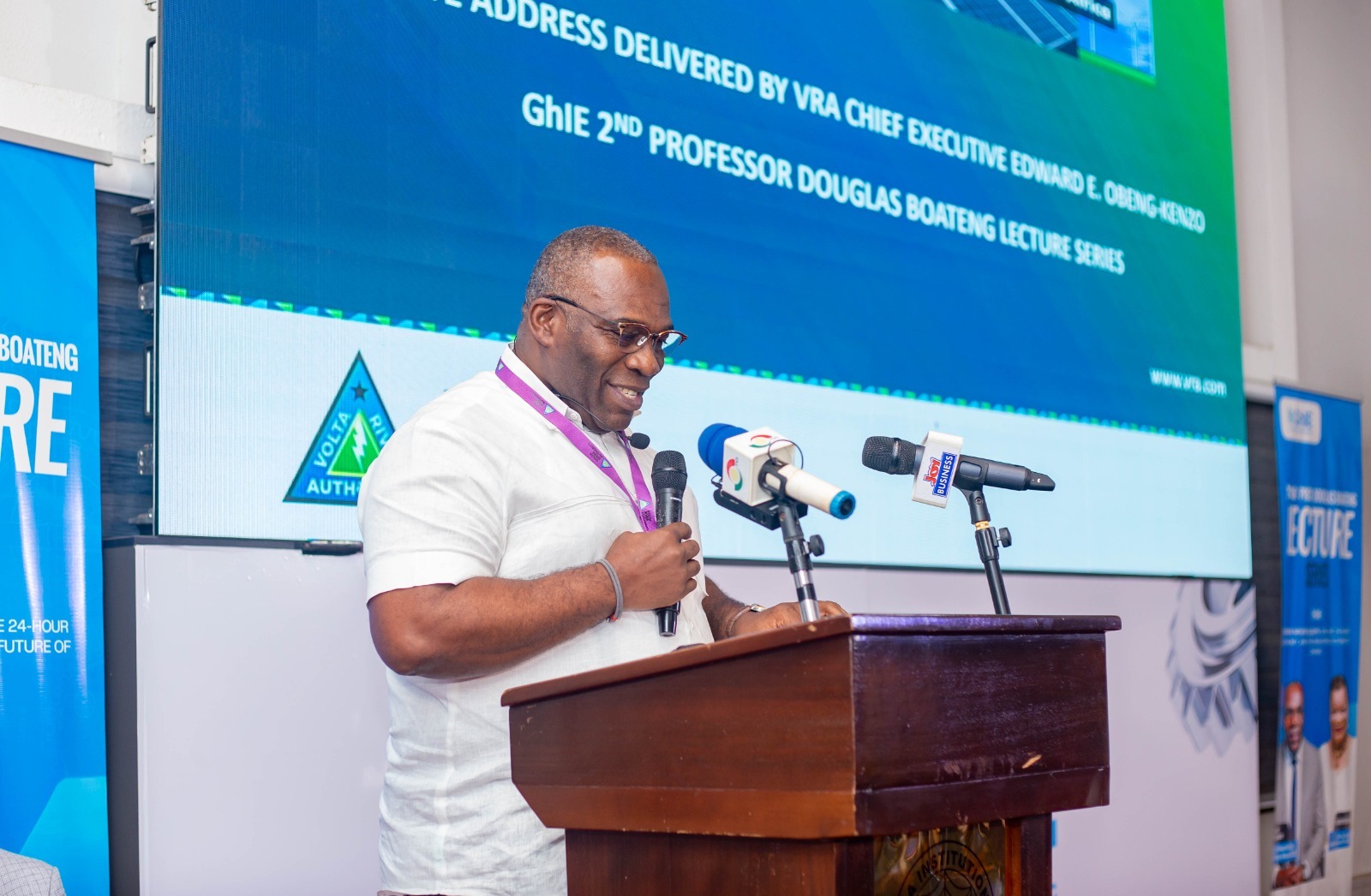
The Chief Executive of the Volta River Authority (VRA), Ing. Edward E. Obeng-Kenzo, has called on engineers to take a leading role in driving Ghana’s industrial development. He stated their expertise will be crucial to the success of the Government’s 24-Hour Economy policy.
Ing. Obeng-Kenzo emphasized that engineers would be responsible for designing factories, power systems, transport networks, and digital infrastructure. These elements are essential for building a stronger and more competitive industrial economy. He made these remarks at the second Ghana Institution of Engineering (GhIE) Professor Douglas Boateng Lecture Series in Accra.
This directive aligns with Ghana's broader economic strategy to boost productivity and create employment opportunities through industrialization. The 24-Hour Economy policy aims to extend economic activities beyond traditional working hours, requiring robust infrastructure and efficient systems. Engineering input is vital for the policy's implementation and long-term sustainability, impacting various sectors from manufacturing to energy supply.
“The engineers gathered here today will play a defining role in its success,” Ing. Obeng-Kenzo stated. He added, “We have both the responsibility and the privilege of building the foundation upon which future generations will prosper.” This statement highlights the significant trust placed in the engineering profession to deliver on national development objectives.
The VRA Chief Executive also outlined several priorities for the Ghana Institution of Engineering. He urged the institution to champion the development of reliable electricity supply infrastructure. He also called for reducing technical losses in the power sector through innovative engineering solutions. Furthermore, he encouraged influencing national energy policy and developing a long-term engineering roadmap for the next 20 to 50 years.
Ing. Obeng-Kenzo challenged engineers to help solve pressing national problems, including the recurring floods in Accra and other parts of the country. He urged the profession to work closely with government to develop practical and sustainable engineering solutions. This collaboration is critical for mitigating environmental risks and enhancing urban resilience.
Professor Douglas Boateng, founder of the lecture series, stressed the need for engineers to adopt a long-term planning approach. This approach should extend beyond political terms to achieve sustainable industrial growth. His initiative aims to celebrate excellence and encourage fresh ideas for industrialization and national development.
The President-Elect of the Ghana Institution of Engineering, Ing. Sophia Tijani, noted that the annual lecture series brings together experts and innovative ideas. These ideas support Ghana’s development and strengthen engineering collaboration across Africa. This collective effort is designed to foster a more integrated and technologically advanced continent.
Ing. Obeng-Kenzo further called for stronger professional ethics and better contract management within the engineering sector. He also advocated for continuous training and increased investment in specialized engineering skills. These measures are crucial to prepare Ghana’s workforce for future infrastructure and energy demands, ensuring a skilled labor force for upcoming projects.
The emphasis on engineering leadership underscores a strategic shift towards leveraging local expertise for national development. This move aims to reduce reliance on foreign consultants and build indigenous capacity. The success of the 24-Hour Economy policy and other industrial initiatives will largely depend on the effective implementation of these engineering-driven strategies.