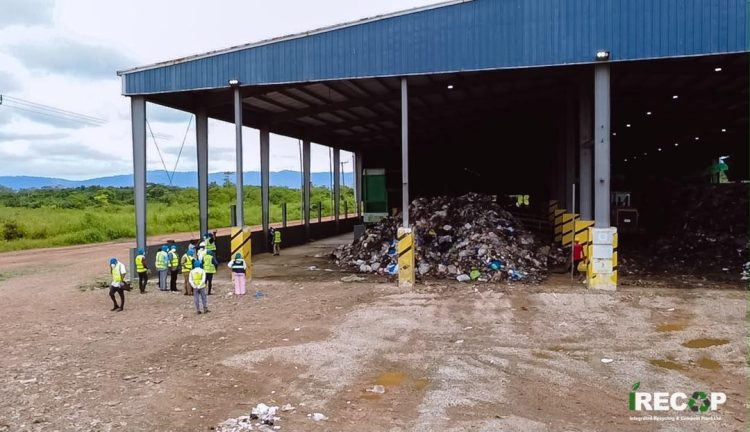
Ghana's Volta Region faces a significant waste management crisis, collecting only 60 percent of its estimated 268,000 tonnes of solid waste generated annually. This leaves 107,200 tonnes uncollected each year, posing severe environmental and public health risks. The region also recycles a mere 2 percent of its waste, highlighting a critical gap in resource recovery efforts.
The primary reasons for these challenges include poor road access to waste processing facilities and a severe shortage of adequate engineered landfill sites. For example, the Ho Integrated Recycling and Compost Plant (IRECOP) collects only 65 percent of its target waste, largely due to difficult transport conditions. This situation forces reliance on centralised treatment options and community-level collection points, which are often insufficient.
This waste management crisis fits into Ghana's broader struggle with urban sanitation and environmental sustainability. Rapid urbanisation across the country often outpaces infrastructure development, leading to similar issues in other regions. The government has prioritised sanitation, but implementation remains a hurdle, particularly in regions like Volta. Addressing these issues is crucial for public health and for attracting investment in green industries.
Betty Brown Nyadu, Group Head of Government Relations at the Environment and Sanitation Processing Cluster of the Jospong Group of Companies, highlighted the poor road leading to the Ho IRECOP facility as a major concern. Ms. Nyadu stated that poor road conditions discourage waste operators, potentially leading to illegal dumping in forests and farms. She urged the government to construct the access road and establish transfer stations closer to communities.
The implications are far-reaching, affecting public health, environmental quality, and economic development. Uncollected waste contributes to disease outbreaks and degrades natural ecosystems. Decision-makers must now focus on improving road infrastructure and investing in more transfer stations. The Parliamentary Select Committee on Water and Sanitation has pledged to include these concerns in its report to Parliament. This report will likely influence future policy and funding allocations for sanitation projects. The proposed National Sanitation Authority Bill, supported by the Committee, could also provide a dedicated framework for better management. Stakeholders will watch for concrete actions from the Ministry of Roads and Highways and other relevant authorities. Addressing these issues could unlock economic opportunities through recycling and composting, creating jobs and conserving resources.
The Volta Region generates approximately 995 metric tonnes of waste daily, with a significant portion being organic material. IRECOP, with a processing capacity of 600 metric tonnes, aims to recover plastics, metals, and organic waste. The facility also produces compost and operates a recyclable materials bank. However, the current infrastructure limitations prevent it from operating at full potential. Improving waste collection systems and expanding recycling capacity are vital steps. Public education on proper waste separation and disposal is also critical for long-term success. The region's sanitation record, though described as clean by the Parliamentary Committee, faces significant threats from these underlying issues. Transforming waste into useful resources rather than allowing it to pollute the environment is the ultimate goal.