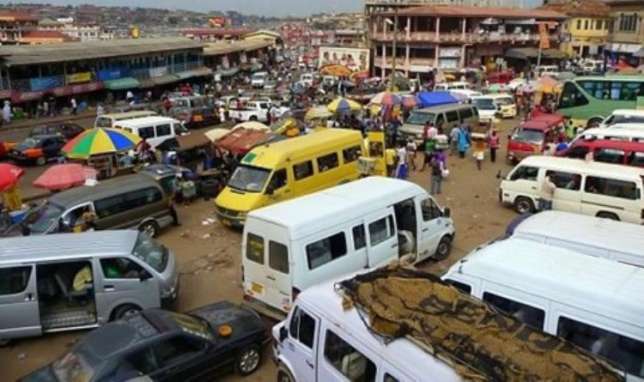
Ghana’s road transport operators have temporarily suspended plans to raise fares by 30%. This decision provides short-term relief to commuters, allowing the government time to introduce measures intended to reduce petroleum prices before the next pricing window.
The fare increase remains a possibility, with operators expected to reassess their position after fuel prices are reviewed on Friday. This suspension reflects an attempt to balance rising operational costs for drivers against the financial burden a steep fare increase would place on households already struggling with higher fuel and living expenses.
This development fits into Ghana's broader economic narrative of persistent inflationary pressures and the government's efforts to manage the cost of living. Fuel prices, a significant component of the Consumer Price Index, directly impact transport costs and, subsequently, the prices of goods and services across the country. The government's intervention aims to mitigate these inflationary effects and ease the financial strain on citizens.
Samuel Amoah, deputy public relations officer of the Ghana Private Road Transport Union, stated that the unions had not abandoned the proposed fare increase. He confirmed they would wait for the outcome of the next pricing window before making a final decision. This indicates that the reprieve is conditional and dependent on the government's ability to deliver tangible reductions in fuel costs.
The immediate implication is a temporary stabilization of transport fares, benefiting millions of daily commuters. However, the situation remains fluid, with the government under pressure to deliver effective interventions to prevent a future fare hike. Decision-makers and markets will closely watch the upcoming fuel pricing window and any announced government measures to address petroleum costs.
Commercial transport operators argue that current pump prices have significantly eroded their profit margins. Diesel is currently selling at about GHS 17.78 per litre, while petrol is priced at roughly GHS 14.95 per litre. These increases have raised the cost of operating taxis, minibuses, and other commercial vehicles, particularly on routes where fares have not kept pace with fuel expenses.
Fuel represents one of the largest and most volatile components of commercial transport costs. Changes in pump prices can rapidly affect the viability of routes, especially where passenger numbers are low or traffic congestion increases fuel consumption. The unions’ own assessment suggests that prices could increase further during the next pricing window, strengthening the case for a fare adjustment.
Ghana operates a deregulated downstream petroleum market. Oil marketing companies adjust prices based on international refined-product costs, the cedi-dollar exchange rate, taxes, levies, and margins. Government intervention could involve changes to taxes or levies, reductions in selected margins, or other mechanisms to cushion consumers from international price movements. Any intervention must balance affordability with the financial sustainability of all stakeholders.
The pressure on commercial drivers extends beyond fuel costs. Operators also face expenses for vehicle maintenance, spare parts, insurance, licensing, and tyres. Many of these costs are directly or indirectly linked to the exchange rate and inflation. A rise in fuel prices therefore compounds an already difficult operating environment for these essential service providers.
Some drivers have reportedly stopped working on unprofitable routes, arguing that revenue no longer covers operating costs. This could reduce the availability of public transport in some communities and increase waiting times for passengers. A 30% fare increase would significantly impact household budgets, particularly for workers, students, and traders who rely heavily on commercial transport.
Such an increase could also affect the wider inflation outlook. Transport fares influence the cost of moving food, manufactured goods, and other products across the country. Higher passenger and freight charges can pass through to retail prices, reinforcing broader cost-of-living pressures. Businesses may also face higher wage demands as employees attempt to compensate for increased commuting expenses. The government has a strong incentive to prevent or limit a sharp fare increase.