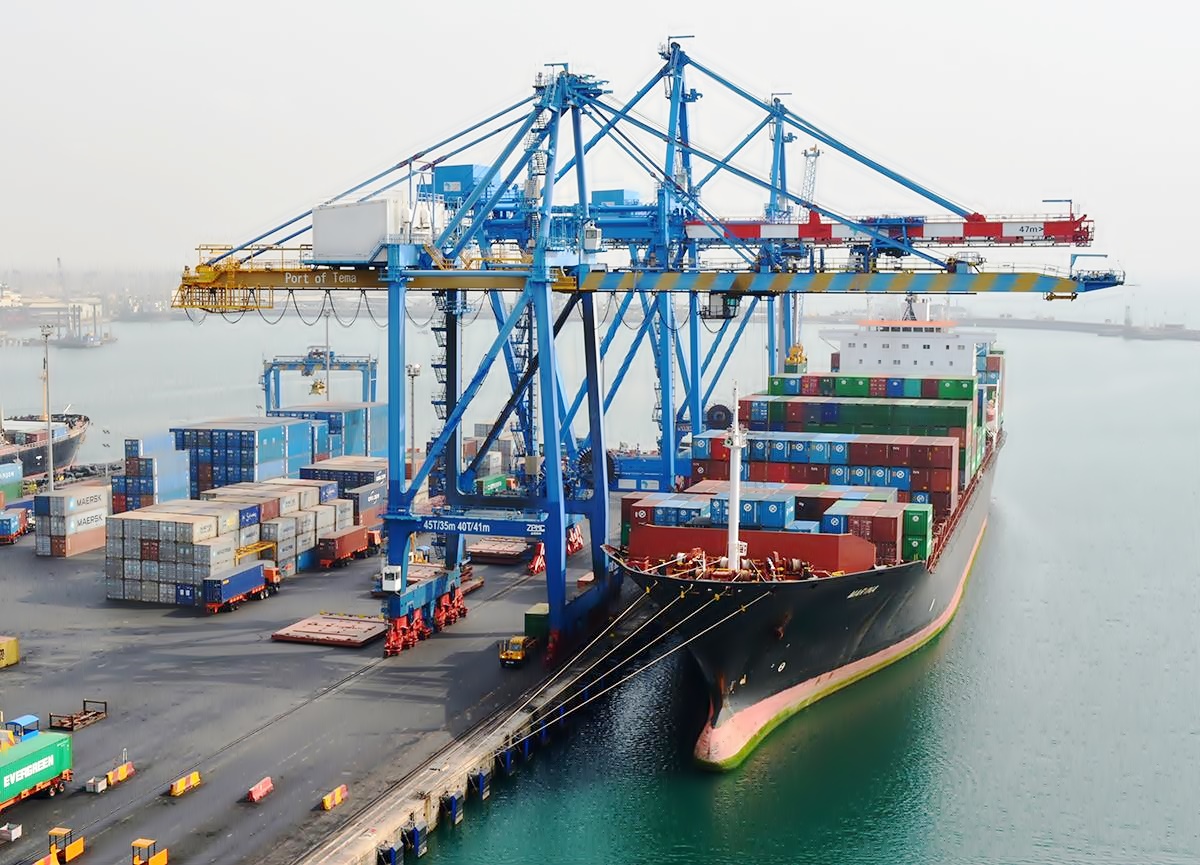
Container congestion at Tema Port has reached a critical point, severely impacting businesses and Ghana's national competitiveness. This gridlock is no longer just a port issue; it has become a city problem, a health problem, and a significant economic challenge.
The port, handling over 70 percent of Ghana's national cargo traffic, is experiencing extensive delays. These delays force businesses to incur higher costs, including demurrage charges from shipping lines when containers overstay. Transporters burn more fuel idling in traffic, and importers face increased haulage fees. Small businesses, operating on thin margins, risk losing a month's profit from just a two-day delay.
This situation fits into a broader narrative of infrastructure challenges affecting Ghana's economic efficiency. Tema is the country's industrial and logistics nerve centre, hosting major facilities like the Tema Industrial Area. The persistent congestion highlights structural issues that have remained unaddressed, despite their known impact on trade and economic growth. Ghana's economic performance relies heavily on efficient port operations, making this a critical concern for policymakers.
The BusinessDayGh editorial emphasizes the urgency of the situation, stating, "When containers are stacked beyond capacity and trucks queue for kilometres outside the terminal, the entire ecosystem chokes." This underscores the widespread impact across various sectors of the economy. The editorial calls for immediate action from key stakeholders.
Looking ahead, the implications are significant for Ghana's economy and its business environment. Decision-makers must implement strict truck appointment and call-up systems to manage port access effectively. The Ghana Ports and Harbours Authority (GPHA), Customs Division of the Ghana Revenue Authority, and Meridian Port Services (MPS) must collaborate. Completing truck parks and expanding port access roads, including the Tema Motorway interchange, will be crucial. Failure to address this swiftly could lead to sustained higher prices for consumers, as the costs are passed down the supply chain. The government must also accelerate projects like the Boankra Integrated Logistics Terminal to decentralize cargo handling.
The direct financial burden on businesses is substantial. Shipping lines charge demurrage when containers exceed free days, directly increasing import costs. A truck that previously completed three trips daily now manages only one, tripling haulage expenses for importers. Exporters miss crucial vessel closing times, leading to lost revenue and potential contract breaches. This inefficiency translates into lost man-hours across the economy, impacting overall productivity.
Beyond economic costs, the congestion poses serious health risks. Traffic gridlock around Tema can prevent emergency vehicles from reaching hospitals like the International Maritime Hospital and Tema General Hospital. In critical situations, minutes can determine life or death, making this a public safety concern. Dedicated lanes for emergency vehicles and clear access to hospitals must be strictly enforced by the Tema Metropolitan Assembly and Ghana Police Service.
The current situation is not merely 'normal port congestion' but a symptom of systemic dysfunction. Normalizing such issues risks escalating them into full-blown disasters. The Ministry of Transport, Ministry of Finance, and GPHA must convene an emergency meeting this week to devise and implement immediate decongestion strategies. The goal is to ensure the free movement of trucks and containers, preventing Ghana's economy from being held hostage by road blockages in Tema.