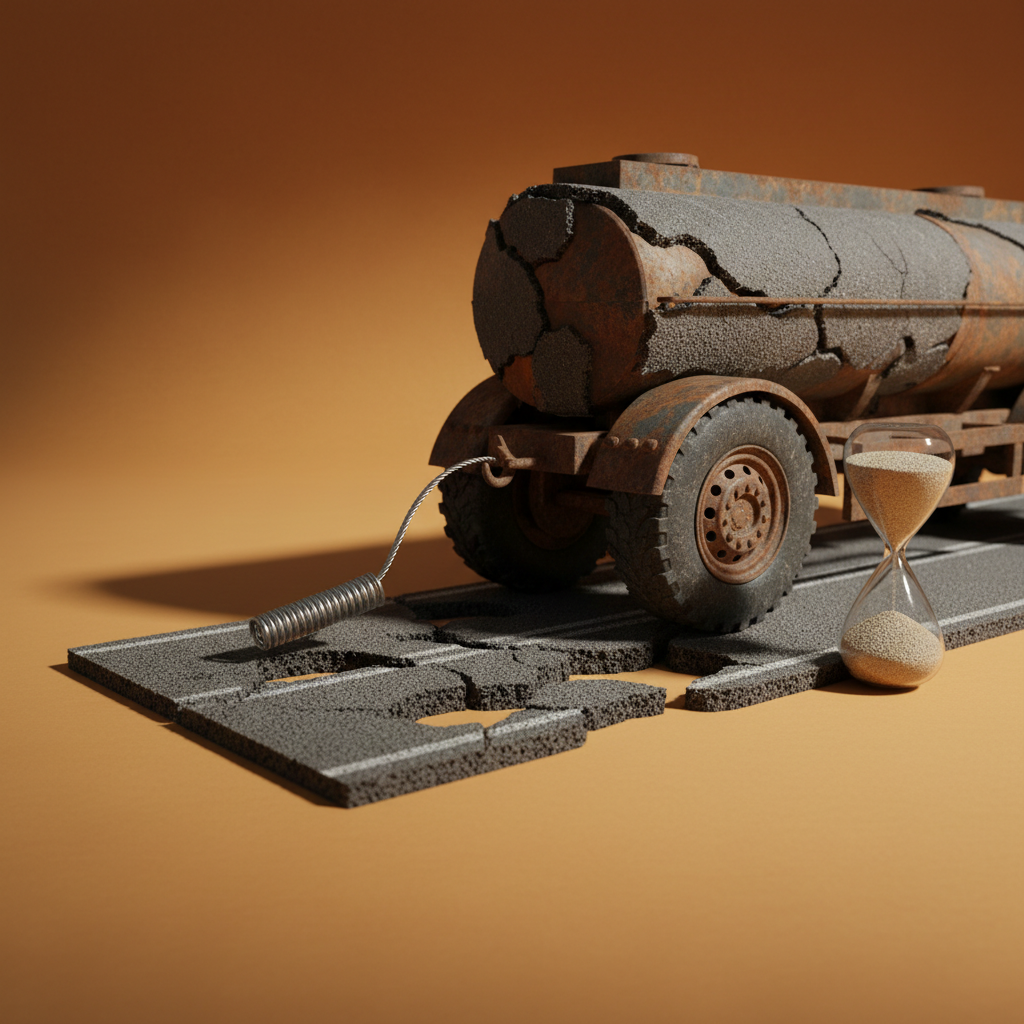
The Ghana National Petroleum Tanker Drivers Union has suspended its sit-down strike, granting the government a one-month period to demonstrate concrete progress on road repairs. This decision, made on day two of the industrial action, follows interventions from key industry bodies.
Drivers will resume normal operations from Friday, September 4, after discussions with the Ghana Chamber of Bulk Oil Distributors (CBOD) and the Chamber of Oil Marketing Companies (COMAC). The strike had severely impacted tanker operations at vital loading points, including the Tema industrial area. The Union had previously issued a two-week ultimatum before commencing the strike on Wednesday, September 2, 2026.
This ongoing dispute highlights Ghana's persistent infrastructure challenges, which frequently disrupt economic activity and supply chains. Deteriorating road networks across the country have long been a bottleneck for various sectors. The petroleum sector, crucial for powering industries and transportation, is particularly vulnerable to these disruptions. Previous data indicates that poor infrastructure adds significant costs to logistics and goods distribution nationwide.
The Union specifically cited the road from Valco Roundabout in Tema to Kpone Junction as critical. Roads within the Takoradi and Buipe depot enclaves also require urgent attention. These routes are vital economic corridors for transporting petroleum products across Ghana. The drivers emphasize their critical role in maintaining Ghana’s industrial activity and fuel supply.
The drivers claim these roads facilitate activities generating approximately GHS 300 million in tax revenue for the government every week. They argue that continued neglect of such high-value corridors is unacceptable. The Union maintains that its demands for road rehabilitation remain unchanged despite the strike's suspension. They expect immediate and concrete steps from the government.
The deteriorating roads expose drivers, workers, and other road users to significant safety and health risks. Accidents on these routes can lead to severe injuries or fatalities. Such incidents also cause delays in fuel delivery, impacting businesses and consumers. Ensuring road safety is paramount for the well-being of all citizens.
The Union has set a clear deadline for the government to show “visible and measurable progress.” Failure to meet this expectation could trigger a return to industrial action. A prolonged sit-down strike would severely impact Ghana's fuel supply. This would lead to shortages, price increases, and significant economic disruption across multiple sectors.
Businesses reliant on consistent fuel supply, from manufacturing to agriculture, would face operational challenges. Consumers would experience higher transportation costs and potential rationing. The government faces pressure to address these infrastructure concerns promptly. Its response will be closely watched by industry stakeholders and the public alike. Resolving this issue is crucial for economic stability.