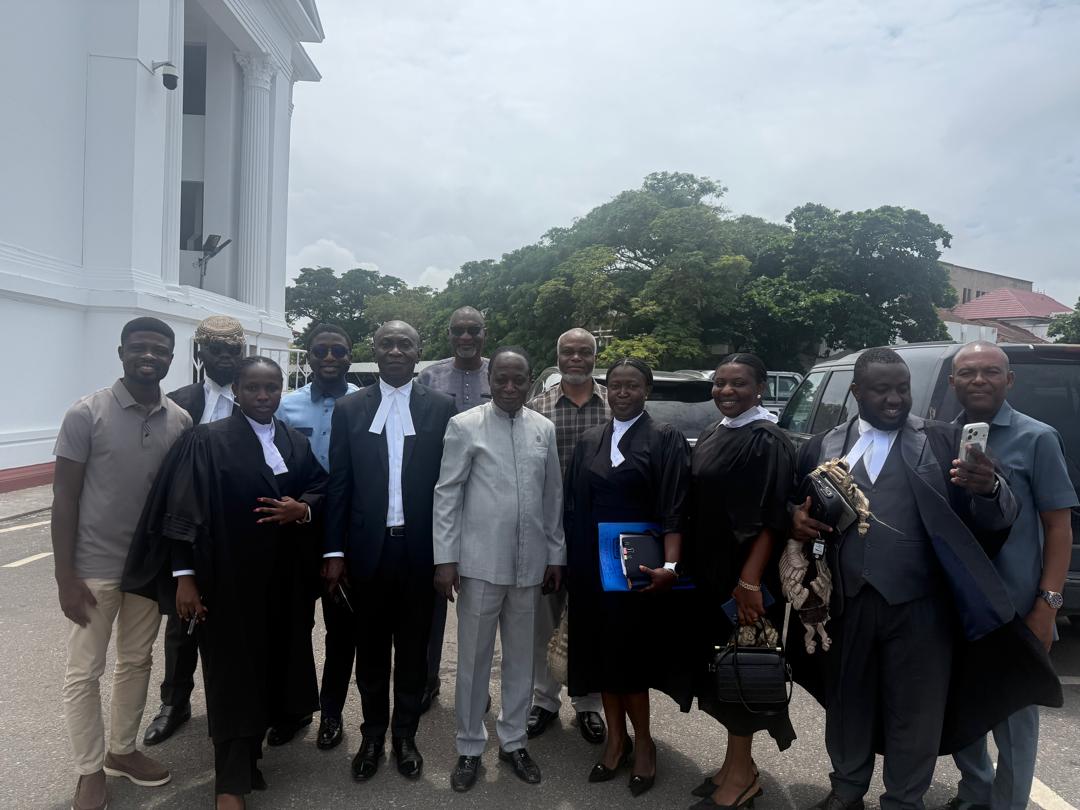
Ghana's Supreme Court has ordered the government to pay $33.3 million to Justmoh Construction. This ruling concludes a significant legal dispute concerning the Boankra Inland Port project.
The court's decision favors the construction company, mandating a substantial payment for work already completed on the critical infrastructure development. This outcome resolves a protracted legal battle that has spanned several years, impacting the project's progress and financial commitments.
This judgment underscores the financial implications of contractual disagreements in large-scale public works. Such disputes can lead to significant cost overruns and delays, affecting the national budget and investor confidence. The Boankra Inland Port is a vital component of Ghana's trade and logistics strategy, aiming to facilitate cargo movement to and from landlocked neighboring countries.
While specific details of the court's reasoning were not provided in the source material, such rulings often hinge on contractual obligations and evidence of work performed. Legal experts frequently emphasize the need for robust contract management and dispute resolution mechanisms in government projects to avoid such costly outcomes.
The payment of $33.3 million will likely impact the government's financial planning and could necessitate adjustments in budgetary allocations. This decision may also influence how future public-private partnerships and infrastructure contracts are structured in Ghana. Stakeholders will closely monitor the government's response and the subsequent impact on the Boankra Inland Port's completion timeline and overall cost.
The Boankra Inland Port, located in the Ashanti Region, is designed to serve as a major logistics hub. It aims to reduce pressure on Ghana's seaports and improve the efficiency of cargo transportation. The project is expected to boost economic activity in the Ashanti and northern regions of Ghana.
This court ruling highlights the importance of legal clarity and timely payments in large infrastructure projects. Delays and legal battles can deter private sector participation and increase the overall cost of development. The government's handling of this payment will be crucial for maintaining trust with contractors and investors.
The resolution of this case could set a precedent for how similar disputes are managed in Ghana. It reinforces the judiciary's role in upholding contractual agreements and ensuring fair compensation for services rendered. The financial implications extend beyond the immediate payment, potentially influencing future project financing and risk assessments by both local and international partners.