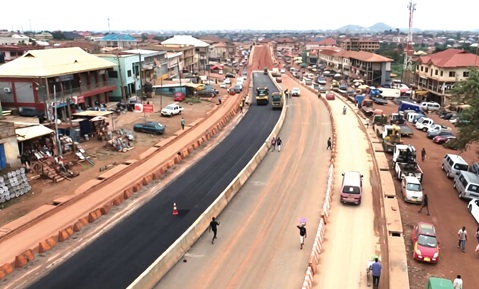
The second phase of the Suame Interchange project in Ghana's Ashanti Region will be completed and opened to traffic by October 2026. This critical infrastructure development is currently 87% complete, marking a significant milestone for regional connectivity.
This phase involves constructing three overpasses at Anoamangye, Maakro, and Abusuakruwa. It also includes expanding the Offinso Road (N10) into a 2x3-lane dual carriageway, which is 77% finished. These improvements aim to provide immediate relief to motorists and allow contractors to focus on the project's first phase.
The Suame Interchange project is a cornerstone of Ghana's broader infrastructure development agenda. It addresses persistent traffic congestion in Kumasi, a major economic hub. Improved road networks are vital for facilitating trade, reducing transportation costs, and enhancing productivity across the Ashanti Region. This investment aligns with the government's long-term vision for national economic growth.
Resident Engineer Dennis Kusi Boateng confirmed the progress during a recent inspection. He stated that completing and opening the second phase would significantly benefit motorists. Mr. Boateng also noted that the entire local roads component, including the overpasses, would be handed over to the government within the stipulated period.
The completion of this phase will immediately alleviate traffic flow in the affected areas. Decision-makers will monitor the project's impact on local commerce and commuter times. The successful delivery of this phase will build confidence in the government's ability to execute large-scale infrastructure projects.
The first phase of the project, scheduled for completion in 2028, includes a three-tier interchange at Suame. It also features two overpasses at the Abrepo and Krofrom junctions. Widening of the eastern and western bypass roads is also part of this initial phase. This comprehensive approach underscores the project's ambition to transform urban mobility in Kumasi.
Roads and Highways Minister Kwame Governs Agbodza commended the project engineers for their progress. He expressed optimism that the second phase would meet its October deadline. The Minister highlighted that the redesign of the main Suame Interchange into a three-tier structure resulted in significant cost savings. These savings can now be reinvested to provide additional capacity for the project. This strategic financial management ensures maximum value from public funds.
More than GHS 3 billion is being invested in the construction of the bypass alone. This substantial financial commitment reflects the project's scale and its importance to the national economy. Such large-scale public works often stimulate local employment and demand for construction materials. The project's economic ripple effects extend beyond just improved transportation.
Challenges remain, however, including the removal of two additional structures within the project's right of way. Activities of some artisans in the area have also reportedly damaged newly completed concrete works. These issues highlight the complexities inherent in urban infrastructure development. Addressing these challenges promptly is crucial for maintaining project timelines and budgets. The Suame Municipal Assembly has already assisted with removing four structures, demonstrating local government support.
The Ashanti Regional Minister, Dr. Frank Amoakohene, also praised the Roads and Highways Minister's inspection visit. He noted that such visits encourage contractors to accelerate work on the long-awaited interchange. This collaborative oversight ensures accountability and motivates project teams. The successful completion of the Suame Interchange is expected to significantly enhance regional economic activity and improve the quality of life for residents.