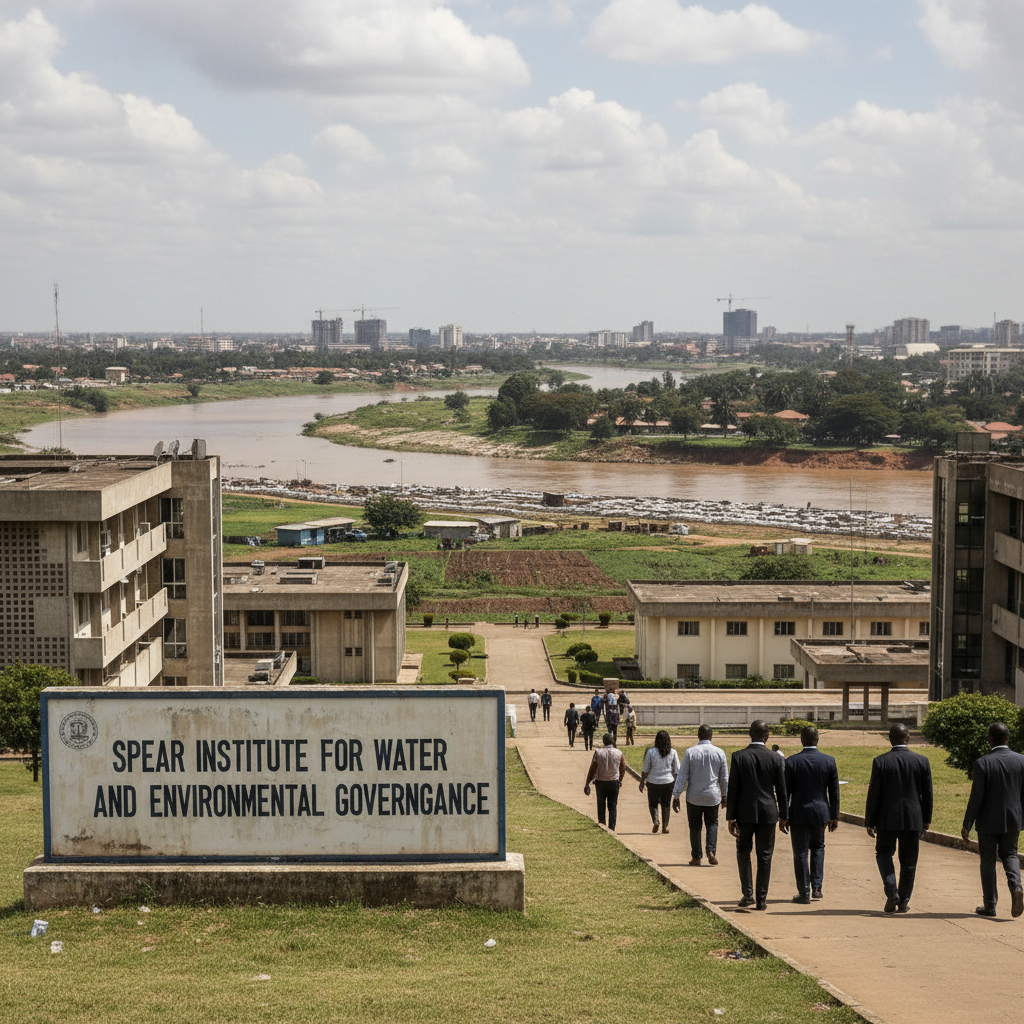
Spear Institute has called for a major overhaul of Ghana’s flood management approach, urging authorities to shift from responding to disasters after they occur to investing in long-term prevention and climate resilience. The research firm made this call during a virtual media briefing on Friday, August 7, 2026. It examined the country’s recurring flood crisis and proposed measures to reduce its impact.
The June 29, 2026 floods in Accra served as a critical case study, exposing significant weaknesses in drainage systems, land-use planning, and disaster preparedness. This event led to major disruptions, including impassable roads, flooded homes, and interruptions to transport and commercial activities. More than 12 people lost their lives, seven were reported missing, and 7,761 households were displaced across 18 affected assemblies following the incident.
This recurring challenge has plagued Ghana for decades, but its growing impact on lives, businesses, infrastructure, and livelihoods demands a more coordinated national response. Spear Institute identified climate change, rapid urbanization, and the destruction of natural flood-control systems, such as wetlands, as key factors worsening the impact and frequency of floods. Increasing population growth and unplanned development are placing additional pressure on vulnerable areas.
Spear Institute stressed that flooding is a complex challenge requiring coordinated action across government, communities, and private stakeholders. Poverty and inequality often increase exposure to flood risks, as low-income households frequently occupy flood-prone areas due to limited access to affordable and safer housing options. Households and small businesses without insurance, savings, or access to credit often struggle to recover after losing property, equipment, and sources of income.
The institute also identified indiscriminate waste disposal as a contributor to blocked drains and waterways. However, it cautioned against placing the entire responsibility on citizens. It called for stronger waste management systems, including reliable collection services, accessible disposal facilities, enforcement, and sustained public education.
Spear Institute’s engineering and infrastructure team argued that Accra’s drainage systems must be reassessed and redesigned. This redesign should reflect current population levels, urban expansion, and changing rainfall patterns. The city recorded about 169.23 millimeters of rainfall during the June 29 floods, a volume that exceeded the capacity of some existing drainage infrastructure. Many drains, culverts, and bridges were constructed decades ago and no longer adequately serve today’s urban environment. The narrowing of waterways, including the Koli Lagoon and Odora River, due to encroachment, land reclamation, and waste disposal, further exacerbates the problem. As one presenter noted, “When water loses its path, it creates another path.”
The research firm criticized weaknesses in project management, including inadequate attention to sustainability, quality control, and stakeholder involvement. Infrastructure projects should be assessed not only by completion time and budget but also by their ability to withstand future climate conditions and protect communities. Ghana’s largely reactive approach to flooding, characterized by emergency interventions like relief funding and de-silting exercises, addresses symptoms rather than underlying causes. Spear Institute advocates for greater investment in proactive measures, including improved urban planning, restoration of wetlands, sustainable drainage systems, and stronger flood-resilience strategies.
For Ghana, the priority must now move from managing the aftermath of floods to preparing communities and cities before the next rainfall disaster occurs. The institute believes Ghana’s flood challenge requires an integrated national approach. This approach combines engineering solutions with social protection, effective governance, and better project management. The goal should be to develop systems capable of withstanding changing environmental conditions rather than repeatedly responding after floods strike.