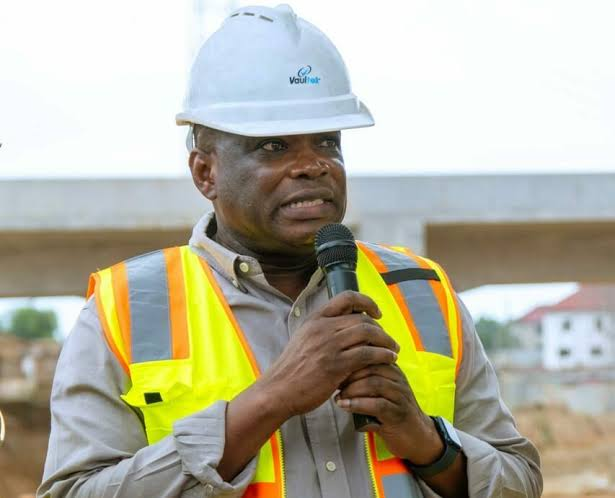
Ghana's Minister for Roads and Highways, Governs Kwame Agbodza, has threatened to terminate the contract of Volta Impex Construction. This action looms over the company's slow progress on the 32-kilometre Techiman–Nkonsia–Wenchi road project.
The contractor has ignored multiple warnings from the Ghana Highway Authority regarding its progress targets. The project should have reached 15 to 20 per cent completion by now. Instead, it stands at a mere six per cent, significantly behind schedule.
This situation highlights ongoing challenges within Ghana's public infrastructure delivery. Delays in road projects often lead to cost overruns and hinder economic development. The government's 'Year of Roads' initiative aimed to accelerate such projects, but this incident shows persistent hurdles. Reliable infrastructure is crucial for agricultural transport and trade in regions like Bono and Bono East.
Minister Agbodza stated, "The contractor hasn't shown enough commitment to complete this job." He added that a significant mobilisation payment of GHS 66 million was made to the contractor in May. This payment was intended to kickstart and accelerate work on the vital road link. The minister expressed his dissatisfaction during a site inspection, part of a tour of road projects across several regions.
The potential termination carries significant implications for both the contractor and the government. It could lead to legal disputes and further delays in completing the Techiman–Nkonsia–Wenchi road. The government will need to re-tender the project, potentially incurring additional costs and extending the timeline. This situation also sends a strong signal to other contractors about accountability for public funds and project delivery. Businesses and residents in the affected areas will continue to face challenges from the uncompleted road, impacting transport costs and market access. The Ministry of Roads and Highways will closely monitor the outcome of the scheduled meeting on September 7.
The government's commitment to infrastructure development is a cornerstone of its economic strategy. However, inefficient project execution can undermine these efforts. The GHS 66 million mobilisation payment represents a substantial investment of taxpayer money. Ensuring value for money and timely completion of projects is paramount for public trust and economic growth. This incident underscores the need for stricter oversight and performance clauses in public contracts. Future projects may see more rigorous monitoring and swifter action against underperforming contractors. The minister's firm stance reflects a growing intolerance for project delays that burden the national budget and impede progress. This decision will be closely watched by the construction industry and the public.