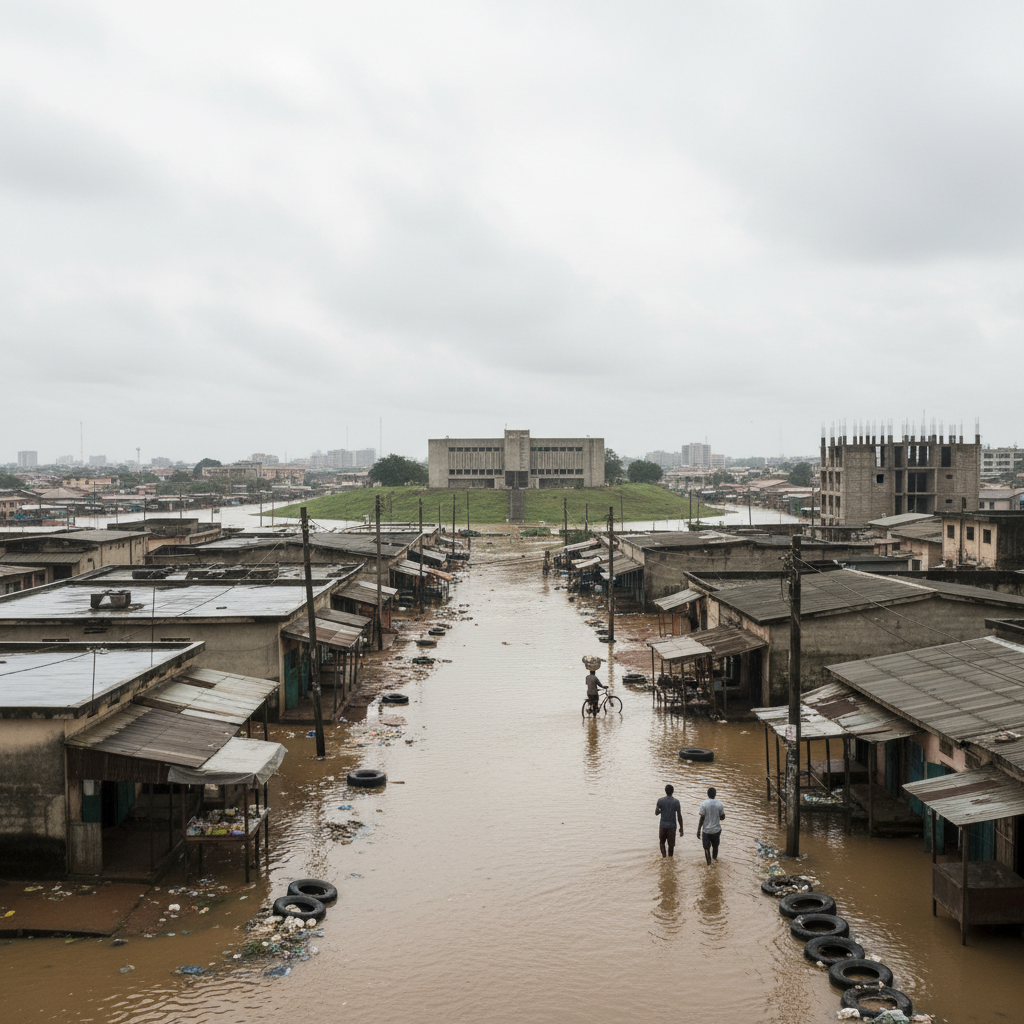
Kojo Adu Asare, former Member of Parliament for Adentan, has directly attributed Accra's recurring flood problems to poor leadership, weak planning, and a lack of commitment to enforcing existing regulations. Adu Asare stated that Ghana already possesses the necessary knowledge to address this critical issue but consistently fails to implement solutions.
He criticized Metropolitan, Municipal, and District Assemblies (MMDAs) for primarily focusing on issuing stop-work notices to property developers. These assemblies, he noted, often neglect comprehensive planning measures for communities. The former MP emphasized that despite knowing effective strategies, a collective unwillingness to act persists, leading to continued flood crises.
This issue fits into a broader narrative of infrastructure and governance challenges impacting Ghana's economic development and citizen welfare. Urban planning deficiencies and weak regulatory enforcement have long been identified as key contributors to environmental hazards, particularly in rapidly urbanizing areas like Accra. The economic costs of flooding, including damage to property, disruption of business, and public health concerns, significantly impede national progress.
Speaking on Asempa FM's Ekosii Sen show, Mr. Adu Asare asserted, "All the assemblies know is to issue stop-work notices on buildings, but they have no proper plan for the communities." He added that citizen actions and a lack of leadership at various assembly levels also contribute to the problem. Adu Asare previously suggested simple planning measures, like requiring homeowners to leave unpaved sections in their compounds. This would allow rainwater to naturally absorb into the ground, reducing the burden on congested drainage systems.
The implications of this ongoing issue are significant for Accra's future development and economic stability. Without a robust commitment to urban planning and regulatory enforcement, the city will continue to face substantial economic losses and public safety risks from flooding. Decision-makers must move beyond reactive measures, such as post-disaster financial aid, towards proactive, long-term development plans. Investors and residents will closely watch for concrete steps from MMDAs and central government to implement sustainable flood mitigation strategies, such as improved drainage infrastructure and strict adherence to building codes. Addressing these systemic failures is crucial for attracting investment and ensuring the welfare of Accra's growing population.