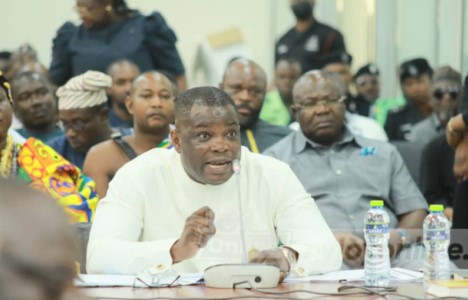
Ghana’s Parliament has approved a $500 million loan facility from the International Development Association (IDA) of the World Bank Group. This significant funding will finance the Market Access and Connectivity Project, a crucial initiative for the nation's agricultural sector. The project aims to improve feeder roads, which are smaller roads linking farms and agricultural enclaves to larger market centres across the country.
The primary goal of this loan is to enhance farmers’ access to markets. Better road infrastructure will allow agricultural produce to reach markets more efficiently. This improvement is expected to significantly reduce post-harvest losses, a major challenge for Ghanaian farmers. Post-harvest losses occur when crops spoil or are damaged before they can be sold, leading to substantial economic setbacks for farmers.
This approval fits into Ghana's broader economic strategy to bolster its agricultural sector, a cornerstone of the national economy. The government has consistently emphasized the need for improved rural infrastructure to support food security and economic growth. Data from the Ghana Statistical Service often highlights the agricultural sector's contribution to GDP, making investments like this critical for sustained development.
Mr. Thomas Nyarko Ampem, Deputy Minister of Finance, stated that $491 million of the funds would be allocated directly to road construction and maintenance. The remaining $9 million will support capacity building for several key government bodies. These include the Ministry of Roads and Highways, the Feeder Roads Department, the Land Valuation Division, and the Environmental Protection Agency. This investment in human capital and institutional strength is vital for the project's long-term success and sustainability.
Mr. Governs Kwame Agbodza, the Minister of Roads and Highways, assured legislators that a second phase of the project is being prepared. This next phase will cover constituencies and districts not included in the current stage, ensuring broader national coverage. This commitment indicates a long-term vision for improving rural connectivity across Ghana.
Mr. Issac Adongo, Chairman of Parliament’s Finance Committee, highlighted the critical role of the loan. He noted that inadequate transport infrastructure remains a major constraint to agricultural development in Ghana. The loan forms part of the government’s broader investment strategy in rural infrastructure, aiming to unlock the full potential of the agricultural sector. This strategic investment is expected to yield significant economic returns by boosting agricultural productivity and market integration.
The approval of this loan signals a strong commitment to rural development and agricultural modernization. Decision-makers will closely monitor the project's implementation to ensure efficient use of funds and tangible improvements in road networks. The success of this project could set a precedent for future infrastructure investments, potentially attracting more international funding for similar initiatives. Farmers and agricultural businesses will be watching for the immediate impact on their ability to transport goods and access markets more easily.