Parliament approves 20-year road toll reintroduction

    Ghana's Parliament has sanctioned a 20-year Public-Private Partnership to bring back road tolls, utilizing a fully electronic collection system.

    2 min read3 min listen
    Parliament approves 20-year road toll reintroduction
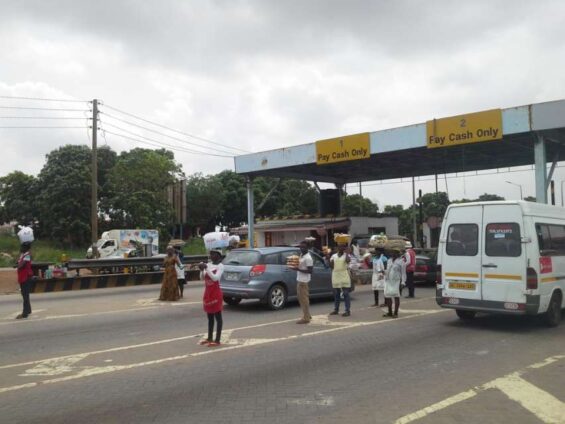
    Ghana's Parliament has approved a 20-year Public-Private Partnership (PPP) concession agreement to reintroduce road and bridge tolls. This initiative will implement a fully electronic collection system across the nation. The agreement, between the Ministry of Roads and Highways and a Special Purpose Vehicle (SPV) to be established by Rock Africa Limited, aims to generate crucial revenue for road development and maintenance. This decision marks a significant policy shift, reversing the suspension of road tolls in November 2021. The previous government abolished tolls to alleviate financial burdens on Ghanaians, especially after introducing the Electronic Transfer Levy (E-Levy). The new electronic system promises to reduce traffic congestion, enhance efficiency, and curb revenue losses associated with manual collection. The reintroduction of road tolls fits into Ghana's broader economic strategy to diversify revenue streams for infrastructure development. The country faces persistent challenges in funding its extensive road network. This PPP model seeks to leverage private sector investment and expertise to address these funding gaps. It also aligns with the government's push for digital transformation in public services. Bimbilla MP and former Defence Minister Dominic Nitiwul supported the electronic tolling system during parliamentary debate. He explained that the previous abolition aimed to prevent additional financial pressure on citizens from both E-Levy and road tolls. Mr. Nitiwul endorsed the electronic system, citing its potential to overcome the inefficiencies of the former manual process. He stated, “If it’s electronic and it’s 20 years, I think it’s a good deal that Ghanaians should take.” This agreement implies a steady, long-term funding source for Ghana's road infrastructure. It will likely impact motorists who will now incur additional costs for road usage, albeit through a more streamlined payment method. Decision-makers will closely monitor the implementation of the electronic system to ensure its effectiveness and public acceptance. The success of this PPP could set a precedent for future infrastructure financing models in Ghana. The government argues this initiative will provide a reliable funding stream for road projects. It also expects improved road maintenance and a more efficient toll collection system. The electronic approach is designed to make payments easier for motorists, who will not need to stop at toll points. Instead, payments will be processed automatically, with bills potentially sent monthly. This modern approach aims to integrate seamlessly into daily commutes.

    Comments

    More from StatsGH