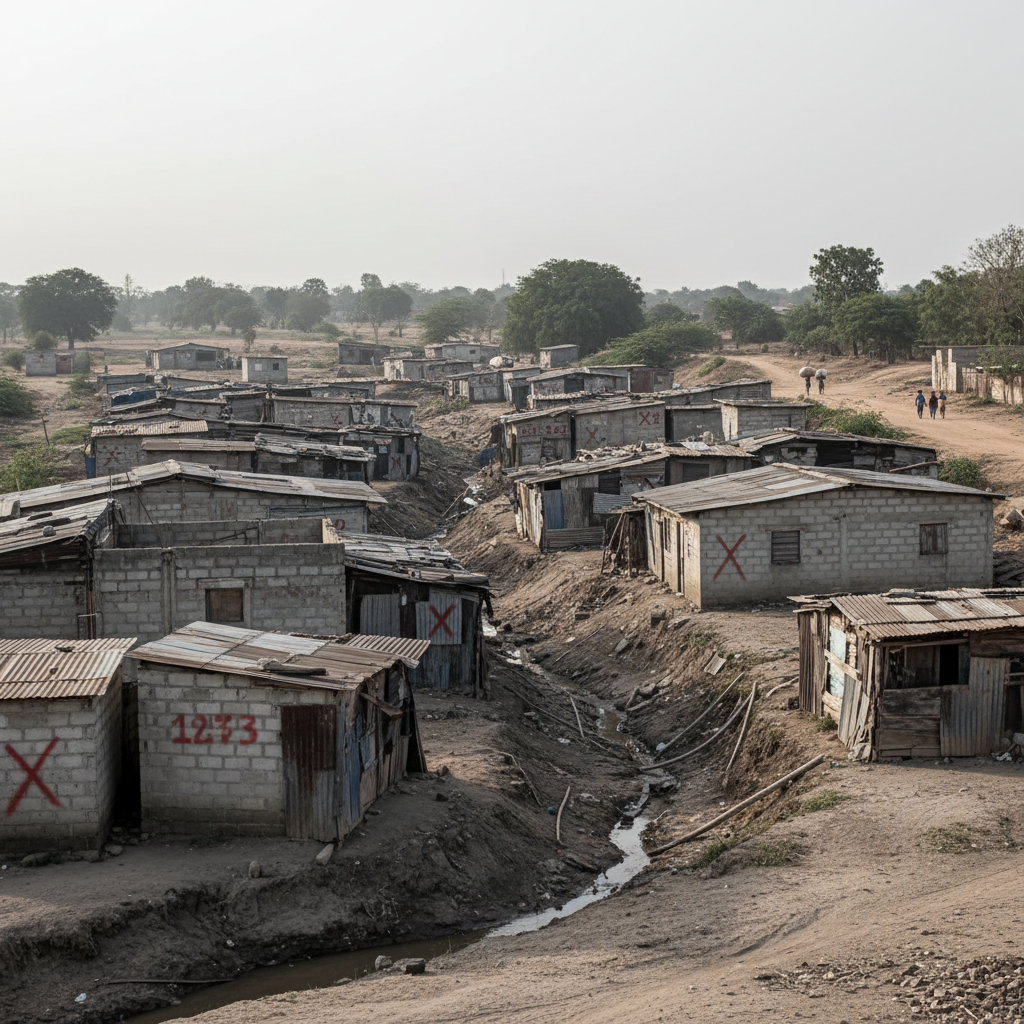
The Flood Mitigation Task Force has identified numerous developments in Oyarifa, a suburb of Accra, obstructing natural water channels. These structures have been marked for demolition to address the root causes of recurring floods in the capital.
This intervention follows an inspection by the task force. They found that some developers constructed buildings directly over water channels. Others altered the natural flow of water through unauthorized interventions. The Jubilee House reported these findings, highlighting significant breaches in urban development regulations.
This issue fits into Ghana’s broader struggle with rapid and often unregulated urbanization. Studies consistently link poor urban planning and inadequate drainage infrastructure to the country's severe annual flood events. The economic impact of these floods is substantial. The National Disaster Management Organization (NADMO) estimated flood-related damages to exceed GHS 100 million annually in some regions.
The assessment forms part of the government's wider flood mitigation strategy. This strategy aims to tackle environmental factors causing flooding. It also seeks to improve resilience in affected communities. The task force previously identified similar encroachments at the Tesa Dam near East Legon.
What happens next involves continuous monitoring and enforcement actions. Demolitions of marked structures in Oyarifa will likely proceed. This will set a precedent for other illegally sited developments. Decision-makers must balance urban development needs with environmental protection and public safety. Markets may see increased demand for properly planned land and construction services. The government's commitment to enforcing environmental regulations will be closely watched.
Further inspections by the task force will focus on other flood-prone areas. This indicates a sustained effort to curb illegal construction on waterways. The Physical Planners Association President has previously stated that political and traditional interference fuels illegal developments. This highlights a complex challenge requiring multi-stakeholder cooperation.
The recurrence of floods underscores the urgent need for strict adherence to building codes and urban planning laws. The economic costs of inaction, including property damage and displacement, far outweigh enforcement expenses. Ghana's resilience to climate change impacts relies heavily on effective urban infrastructure management.