One person sustained serious injuries in a multi-vehicle crash on the Ofankor–Pokuase stretch of the Accra–Kumasi Highway. The incident involved four vehicles, including a VIP bus and a military vehicle. This crash occurred less than a week after a separate accident on the same stretch claimed 12 lives. No fatalities were recorded in this latest event, but the injured individual received immediate medical attention.
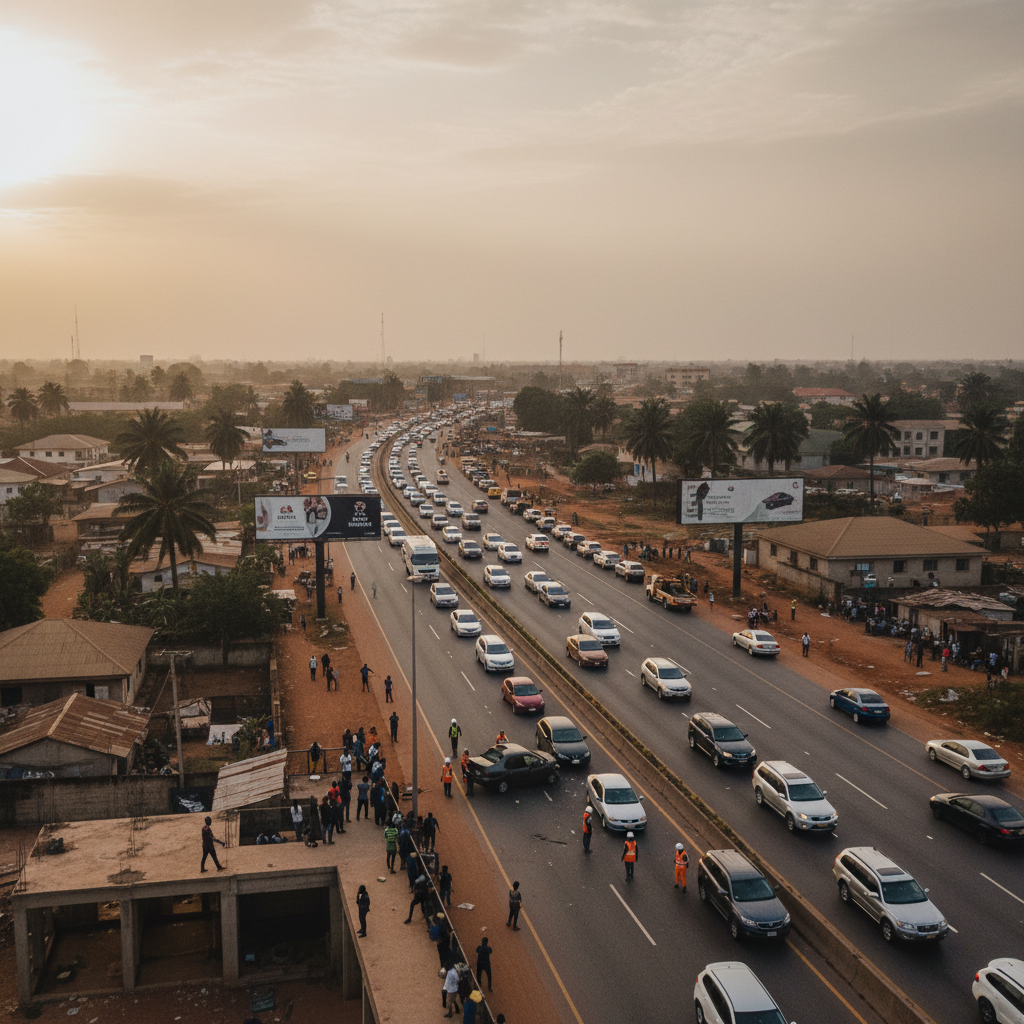
The collision, which took place on Wednesday morning, triggered heavy traffic congestion. Motorists on the Kumasi-bound lanes experienced significant delays. This disruption highlights the economic impact of road incidents on daily commutes and commercial activities. The recurring nature of these crashes on a vital transport artery raises concerns about productivity losses and increased operational costs for businesses.
This latest incident fits into a broader narrative of road safety challenges on Ghana's major highways. The Ofankor–Pokuase corridor, part of the wider Achimota–Pokuase route, has a history of serious accidents. In November 2016, a truck crash on the John Teye descent killed two people and injured three others. Concerns about non-functioning streetlights and ongoing road works have also been raised, impacting traffic flow and safety.
Ga North Municipal Chief Executive Akwetey Agbo attributed the recurring crashes to driver indiscipline. He called for the installation of speed cameras to curb speeding on the stretch. Mr. Agbo emphasized the need for continuous public education and stricter enforcement of speed limits. He stated that drivers must exercise greater caution, especially when descending from the John Teye area towards Pokuase.
The crash will likely intensify calls for stronger enforcement of traffic regulations and improved road safety measures. Decision-makers will face pressure to implement solutions like speed cameras and better road infrastructure. Businesses and commuters will watch for interventions that can reduce delays and enhance safety on this critical economic corridor. The long-term economic implications of such frequent disruptions are significant for Ghana's transport sector.
The repeated incidents underscore the urgent need for a comprehensive approach to road safety. This includes technological solutions, driver education, and consistent law enforcement. The economic cost of road accidents, including medical expenses, property damage, and productivity losses, remains a substantial burden. Addressing these issues is crucial for Ghana's economic development and public welfare.