Ghana's New Patriotic Party (NPP) has questioned the government’s acquisition of two refurbished diesel locomotives and 20 freight wagons. The party’s Minority Transport Policy Committee demands full disclosure on the age, cost, and operational history of these railway assets.
This scrutiny comes as the NPP supports railway investment but believes the public lacks enough information to properly assess the procurement. The Committee described the locomotives as “toys fit for the museum.” It suggests their acquisition might not represent good value for Ghanaian taxpayers.
This debate unfolds amidst Ghana’s broader efforts to improve its infrastructure, particularly its railway networks. Effective rail transport can ease pressure on road networks and facilitate freight movement, supporting economic growth. Previous administrations have also invested in modernising the railway sector, aiming for long-term operational sustainability. The government has allocated about GHS 70 million to the railway sector in the 2026 Budget. This amount is seen as modest compared to stated ambitions for network expansion.
The NPP Committee's statement, issued on June 25, highlights key concerns. It notes that the purchased locomotives are believed to be refurbished British Rail Class 56 diesel-electric engines. These engines were originally manufactured between 1976 and 1983. The Committee argues that equipment over four decades old will likely incur higher maintenance and operating costs than modern locomotives. It also points out the difficulty of sourcing spare parts, given that few Class 56 units remain in operation worldwide.
The current government’s railway investments follow previous efforts, such as the NPP administration’s procurement of Diesel Multiple Units (DMUs) from Polish manufacturer PESA. Those trains were new and included a five-year maintenance and technical support package. This package aimed to ensure reliability and build local technical capacity. The NPP Committee states that long-term operational sustainability, maintenance support, training, and technology transfer are crucial for successful railway investments.
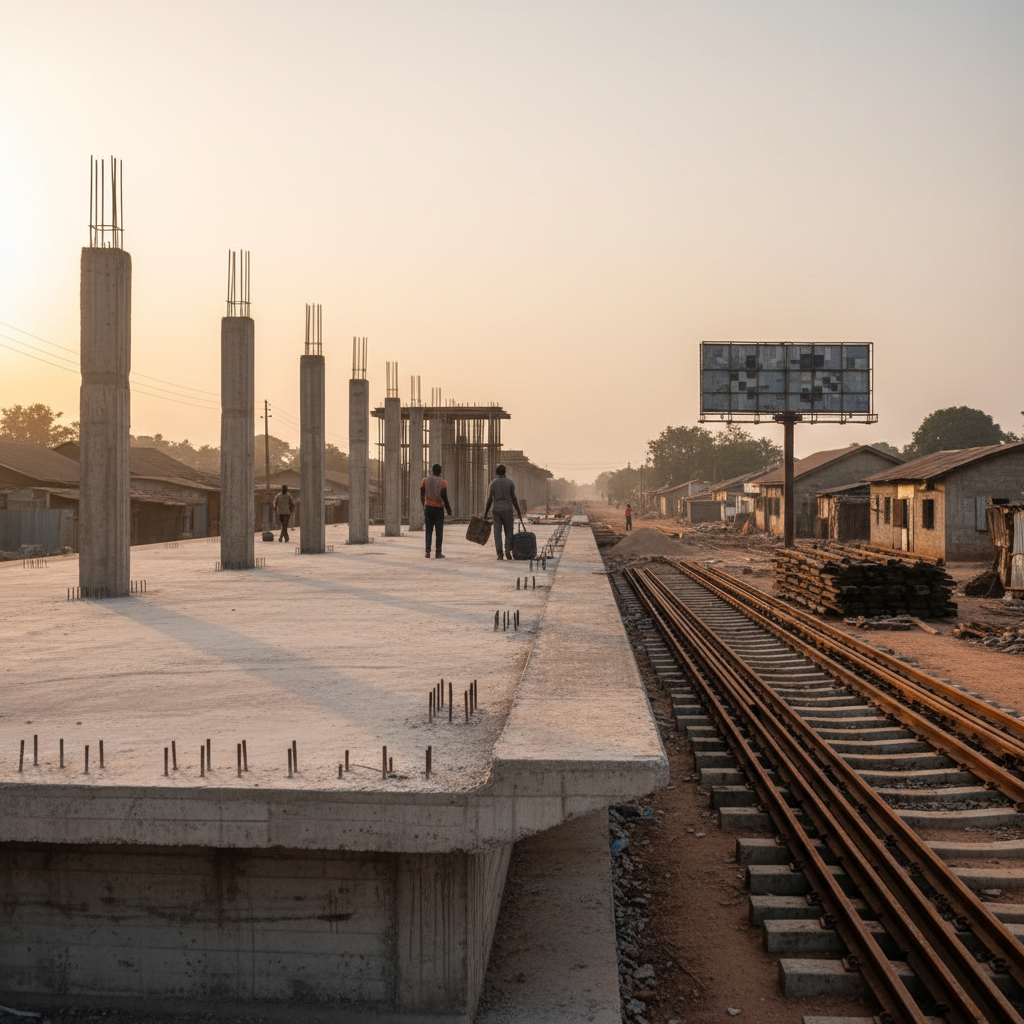
Beyond the locomotives, the NPP Committee also questioned the readiness of the Tema-Mpakadan railway corridor for sustained freight operations. It specifically cited concerns about insufficient cargo-handling infrastructure. This includes mobile harbour cranes, reach stackers, and container handling systems at the Mpakadan railhead. Without proper infrastructure, the railway’s capacity to move goods efficiently remains limited. The Committee called for the government to publish freight demand projections and revenue forecasts. These are essential for ensuring the commercial viability of railway investments.
The allocation of GHS 70 million to the railway sector in the 2026 Budget worries the Committee. It views this amount as inconsistent with the government's stated goals for expanding the country’s rail network. This includes the development of the vital Western Railway Line. Increased railway infrastructure is critical for Ghana's industrial and agricultural sectors. Businesses rely on efficient transport to move goods to markets and ports. The NPP stresses that transparency, sustainability, and commercial viability must guide all procurement decisions in the railway sector. Public finances must be managed prudently to avoid white elephant projects. Future reviews will likely focus on maintenance costs and the actual utilisation of the newly acquired rolling stock.