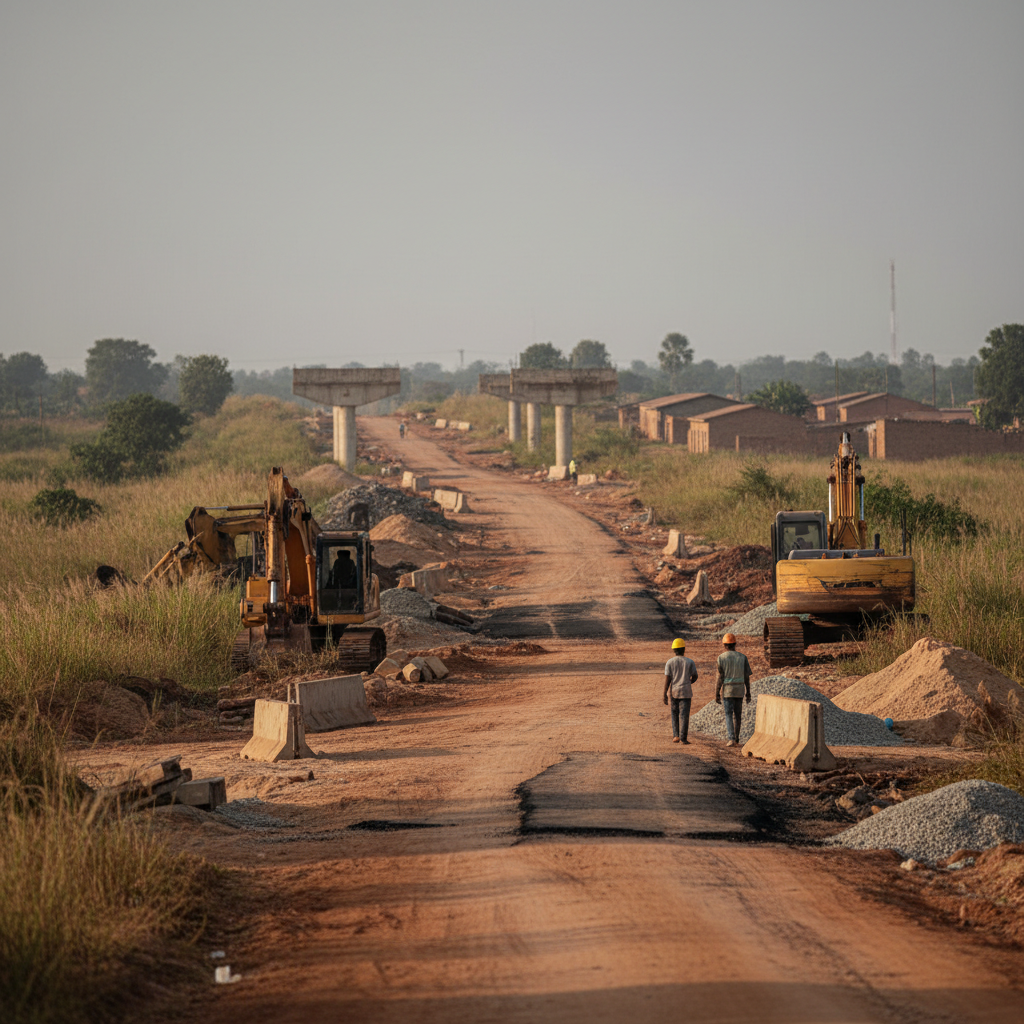
Residents in Ghana's North Dayi District are condemning authorities over abandoned road projects under the government's Big Push Infrastructure Programme. Key sections, including the Anfoega-Wodamaxe Aveti and Vakpo-Wusuta roads, remain unfinished. This neglect has severely disrupted local livelihoods and socioeconomic development.
These road projects were re-awarded for construction after significant government intervention. A public sod-cutting ceremony took place in February 2026. However, very little progress has been made since then, with contractors leaving the sites. A major culvert on the Anfoega-Wodamaxe Aveti road was destroyed, and about four sections were excavated in preparation for new culverts. This has led to severe flooding, blocking waterways and causing water to spill over into homes.
The abandonment of these projects reflects broader challenges in Ghana's infrastructure development. Large-scale government initiatives often face delays, cost overruns, and sometimes outright abandonment. This trend impacts public trust and raises questions about government accountability in managing public funds for critical infrastructure. In 2023, the government allocated GHS 4.2 billion to the road sector, with a significant portion intended for similar vital projects nationwide. The North Dayi situation highlights ongoing concerns about the effective deployment of these funds.
Residents directly attribute their difficulties to the stalled construction. One resident stated, "The excavated areas are giving us lots of problems. Children and animals do fall in it." Samson Ogbo, a local resident, had to evacuate his flooded house and seek refuge in his barbering salon with his wife and two children. He expressed deep frustration, especially after a disappointing interaction with the National Disaster Management Office (NADMO).
The financial implications of these abandoned projects are substantial. Public funds allocated for these roads are now yielding no benefits, representing a significant loss for taxpayers. The lack of completion also means prolonged economic hardship for communities. This situation could further stress local economies and potentially lead to social unrest. The government will face increased pressure to ensure proper oversight and timely completion of all projects under the Big Push Programme. This program, costing an estimated GHS 30 million, aims to boost economic growth and create jobs through infrastructure development. Continued abandonment undermines these goals. Local leaders, such as the Asafofiaga of Wusuta, are urging the government to hold contractors accountable and deploy experts to supervise the projects. This ensures value for money and prevents future sub-standard work. Timely intervention is crucial to mitigate further damage and restore public confidence in government-led development initiatives across Ghana.