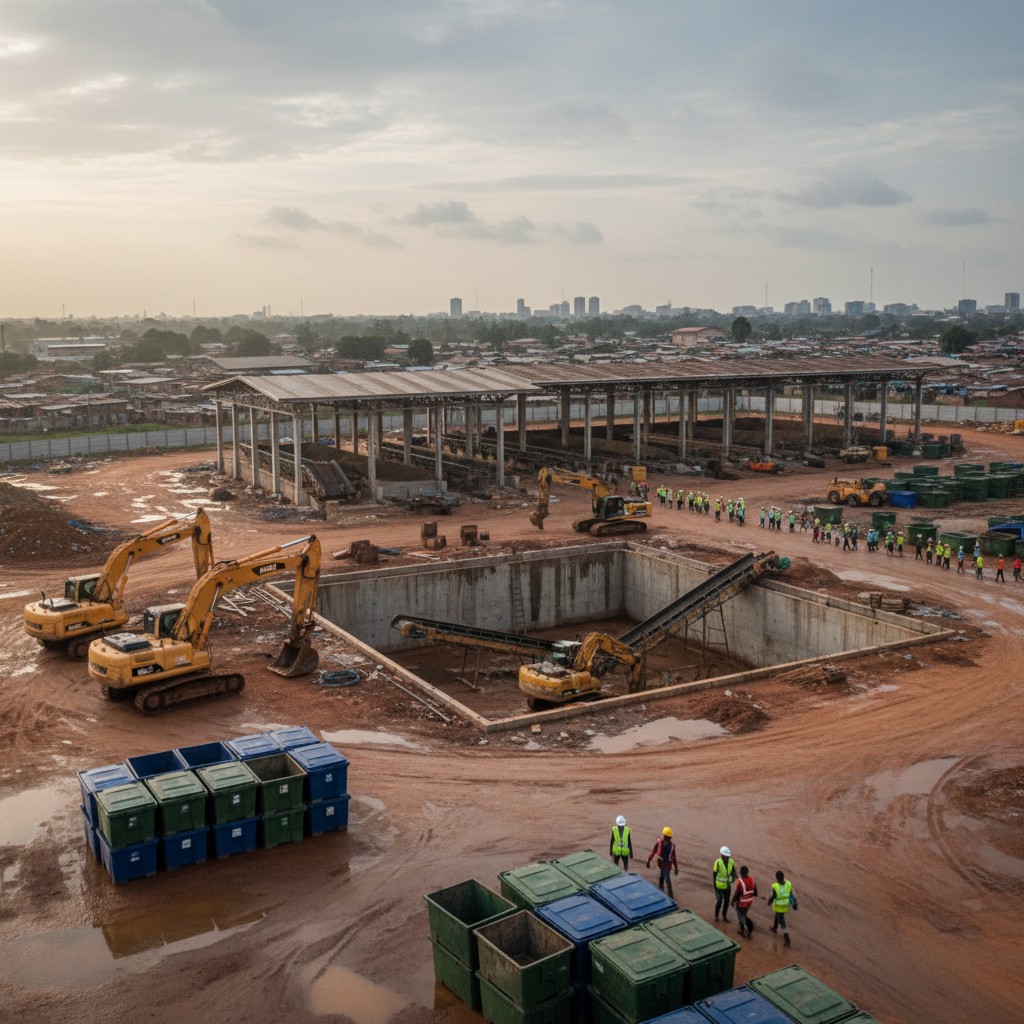
President John Mahama has ordered the immediate activation of six previously unused waste transfer stations in Accra. This decision comes after the devastating June 29 floods, which significantly impacted Ghana’s capital region. The directive aims to improve waste management and prevent future flood-related issues.
The June 29 flood disaster affected seven regions across Ghana. The Greater Accra Region was the most severely hit. The disaster resulted in 13 fatalities, with six individuals still reported missing. Proper waste disposal is crucial to mitigate future flooding risks, especially with anticipated heavy rains.
This initiative aligns with broader national efforts to address recurring flood challenges in Ghana. Previous data indicates that inadequate waste management systems contribute significantly to urban flooding. President Mahama had earlier declared July 10 and 11 as national cleaning days in the affected regions. This was aimed at reducing flood risks by clearing debris and preventing drain blockages.
President Mahama, speaking during the two-day cleanup exercise in Alajo, Accra, stated, “Ghana is a resilient country… and we’ll bounce back better than before.” He acknowledged the considerable amount of refuse in the city. He also directed Zoomlion Ghana Limited to operationalize the waste transfer stations. This will allow ‘aboboyaa’ (three-wheeled motorized tricycles) and other waste collectors to deliver garbage closer to their collection points, rather than transporting it all the way to Amasaman. The government will then arrange for larger trucks to move the waste from these transfer stations to the main disposal site at Amasaman.
The activation of these waste transfer stations is a critical step in Accra's post-flood recovery and long-term urban planning. This move should improve the efficiency of waste collection and disposal. It also seeks to prevent the common practice of leaving waste by roadsides, which often washes back into drainage systems during rainfall. Decision-makers and local communities will be closely watching the effectiveness of this new waste management strategy.
The successful implementation of this directive could significantly improve public health conditions. It could also reduce the economic burden associated with recurrent flood damage. Continued public participation in cleanup efforts and adherence to proper waste disposal practices remain essential for Accra's environmental resilience. The government's actions reflect a proactive approach to infrastructure and public service delivery challenges.