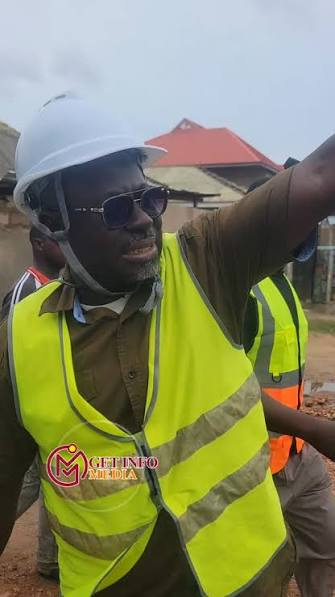
The La Nkwantanang-Madina Municipal Assembly is actively demolishing structures that block natural waterways. Municipal Chief Executive (MCE) Ibrahim Faila Fuseini confirmed the ongoing exercise, emphasizing its critical role in preventing future flooding and safeguarding residents. This intensified effort follows increased flooding incidents and direct instructions from the Regional Minister.
Mr. Fuseini stated that the demolitions are a direct response to recent devastating floods. These events caused significant disruption and economic damage across the municipality. The Regional Minister tasked local assemblies to swiftly remove unauthorized developments obstructing water flow. This directive aims to mitigate the severe impact of recurring flood disasters on communities.
This initiative fits into Ghana's broader struggle with urban planning and environmental challenges. Rapid urbanization often outpaces infrastructure development and regulatory enforcement. Uncontrolled building near waterways exacerbates seasonal flooding, leading to property loss and displacement. Data from the National Disaster Management Organization (NADMO) consistently highlights property damage and displacement caused by such events.
“When it rained last time and there was flooding, it was something that worried every Ghanaian,” Mr. Fuseini said. He shared these comments during an interview on Adom FM’s Dwaso Nsem morning show. He further explained that developers frequently disregard established building regulations. Many builders fail to secure necessary permits or deviate from approved building plans.
Mr. Fuseini noted that some developers intentionally build during non-working hours to avoid detection. They know assembly staff are often absent on weekends or after 5pm on Fridays. The assembly has since formed task forces to monitor and enforce regulations during these times. These teams ensure compliance across the entire municipality.
The MCE revealed extensive illegal developments during recent inspections in Abokobi and Madina. “Yesterday, we went round Abokobi and Madina, and when you see buildings on waterways, you will be shocked,” he stated. He acknowledged the challenge of public resistance to the demolitions. Affected individuals are often unhappy when advised to remove their structures.
Future implications include an improved urban environment with reduced flood risks. However, this also means potential public backlash and economic losses for affected property owners. Decision-makers must balance enforcement with public education campaigns. These campaigns should inform residents about compliance with building regulations. Such measures are crucial for sustainable urban development in flood-prone areas. This will protect GHS millions in public and private assets.