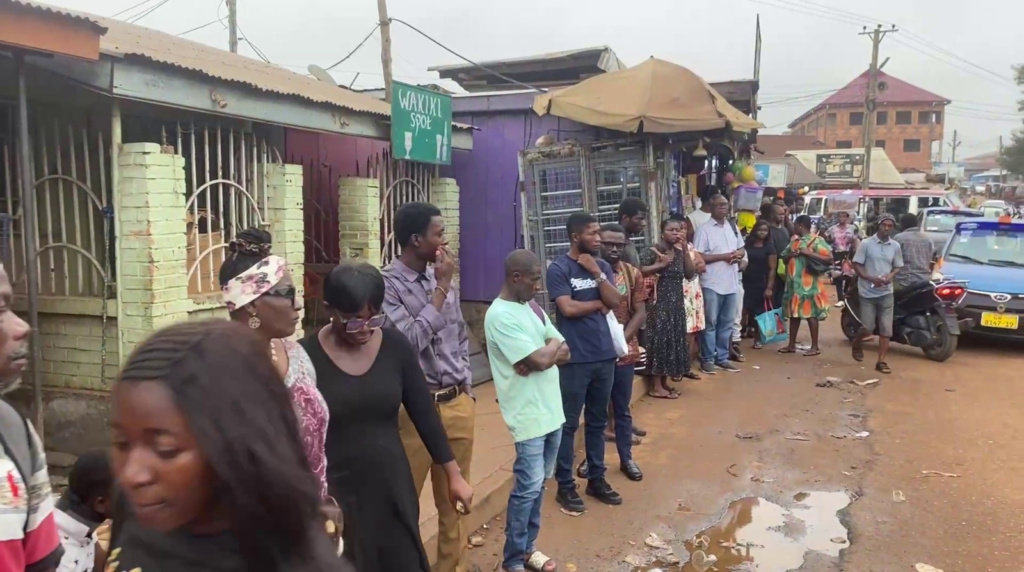
Commercial drivers in Kumasi have suspended operations, protesting arrests for charging an additional GHS 1 on fares. This action, affecting the Santasi-Tech and Santasi-Ejisu routes, has left numerous passengers stranded. Drivers insist the fare increase is essential to offset rising fuel prices and vehicle maintenance costs.
The drivers' protest follows the arrest of colleagues who implemented the GHS 1 fare adjustment. They vow to continue their strike until authorities engage them in dialogue and cease arrests and fines. Transport operators argue that while the government proposed a 30 percent fare increase, this adjustment has not been officially implemented. Consequently, they feel compelled to raise fares independently to manage their operational expenses.
This dispute highlights the persistent challenges within Ghana's transport sector, particularly concerning fuel price volatility. Fuel costs represent a significant portion of commercial drivers' daily expenses. When these costs rise, drivers often seek fare adjustments to maintain profitability. However, official fare increases typically require government approval, leading to friction when drivers act unilaterally. The current situation reflects a broader economic pressure on small businesses and individuals to adapt to inflationary trends.
The Ghana Private Road Transport Union (GPRTU) often negotiates fare adjustments with the Ministry of Transport. These negotiations aim to balance driver profitability with passenger affordability. Unofficial fare hikes, like the GHS 1 increase in Kumasi, often lead to enforcement actions by police or transport authorities. This creates a cycle of protest and disruption, impacting daily commuters and local economies.
The immediate implication of this protest is significant disruption for thousands of daily commuters in Kumasi. Passengers relying on public transport for work, school, and other essential activities face delays and increased travel costs. For the drivers, continued strike action means a loss of daily income, further exacerbating their financial pressures. Authorities must now address the drivers' concerns to restore public transport services.
This incident underscores the need for a more responsive and transparent mechanism for transport fare adjustments in Ghana. A clear framework could help prevent such standoffs, ensuring both drivers' livelihoods and passenger access to affordable transport. The government's response will be crucial in de-escalating the situation and preventing similar protests in other regions. Stakeholders will closely watch for any official statements or negotiations. The long-term stability of public transport services depends on finding a sustainable solution to these recurring economic pressures. This includes considering the impact of global oil prices on local transport costs and developing strategies to cushion drivers and passengers from sudden price shocks. The current impasse reflects the broader economic challenges facing many Ghanaians.