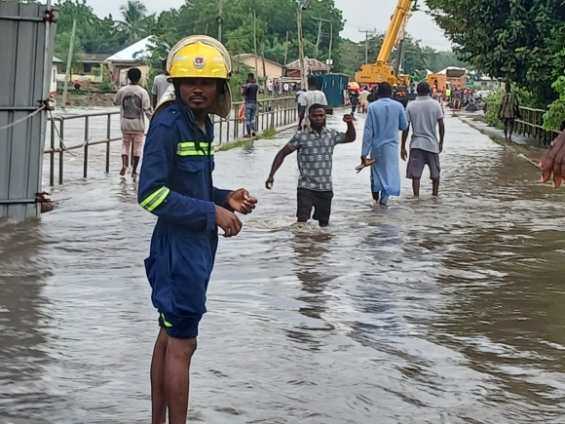
Heavy rains have submerged the Kpetoe bridge on the Ho-Denu highway in the Volta Region. This event occurred on Monday, June 29, 2026, forcing a halt to all vehicular movement across the critical infrastructure.
The Tordze River, swollen by intermittent heavy rainfall, rose rapidly and flowed over the bridge by early Tuesday, June 30. This natural disaster has left approximately 500 people displaced and caused widespread destruction to homes, farms, and livestock in the affected areas.
This flooding incident highlights Ghana's ongoing vulnerability to extreme weather events, which are becoming more frequent. The National Disaster Management Organisation (NADMO) often mobilises resources to assist affected communities. Such disruptions impact local economies directly, hindering trade and movement of goods and people. Similar reports of heavy rainfall and subsequent flooding have been a recurring theme in Ghana's weather patterns for several years, often leading to significant financial losses. For instance, the most rainfall since 1995 was recorded in June 2026, according to observations made by some meteorologists.
Courage Agba, the Agotime Ziope District Director of NADMO, confirmed that no human casualties resulted from the deluge. Mr. Agba stated that areas like Agorve, Aborme, Asito, Afetor Yesu Kope, a Unity Club, and nearby Kpekuita suffered the worst damage. A rescue team from the Ghana National Fire Service (GNFS) is actively on the ground assisting flood victims.
The immediate implication is a severe disruption to economic activity in Kpetoe, as residents begin to assess their losses. The damaged infrastructure will require significant investment for repair or reconstruction, impacting the regional budget. Decision-makers will likely review existing flood prevention strategies and emergency response protocols to mitigate future risks. Markets and local businesses will feel the pinch of reduced trade and accessibility. The incident also underscores the need for robust infrastructure investments resilient to climate change impacts.
The prolonged closure of the Kpetoe bridge will force commuters to use longer alternative routes, increasing travel times and costs. This added burden impacts transporters of goods between Ho and Denu, affecting supply chains. The agricultural sector in the region will face substantial setbacks due to lost crops and livestock, potentially impacting food security and local incomes. Continued monitoring of rainfall patterns and proactive maintenance of drainage systems become crucial in preventing similar occurrences.