The Institute of Statistical, Social and Economic Research (ISSER) has questioned the slow progress of the government’s ‘Big Push’ infrastructure programme. The construction sector grew by only 1.3% in the first quarter of 2026, indicating that many flagship projects are not yet delivering measurable economic activity.
This subdued growth comes despite the government promoting the ‘Big Push’ as a key driver for economic transformation. The low growth suggests that many projects are still in preparatory or early implementation stages, rather than actively contributing to the economy.
This situation fits into Ghana’s broader economic narrative of balancing fiscal discipline with development needs. The government has maintained tight expenditure controls, leading to significant reductions in capital expenditure. This fiscal restraint, while aimed at macroeconomic stability, has constrained infrastructure spending.
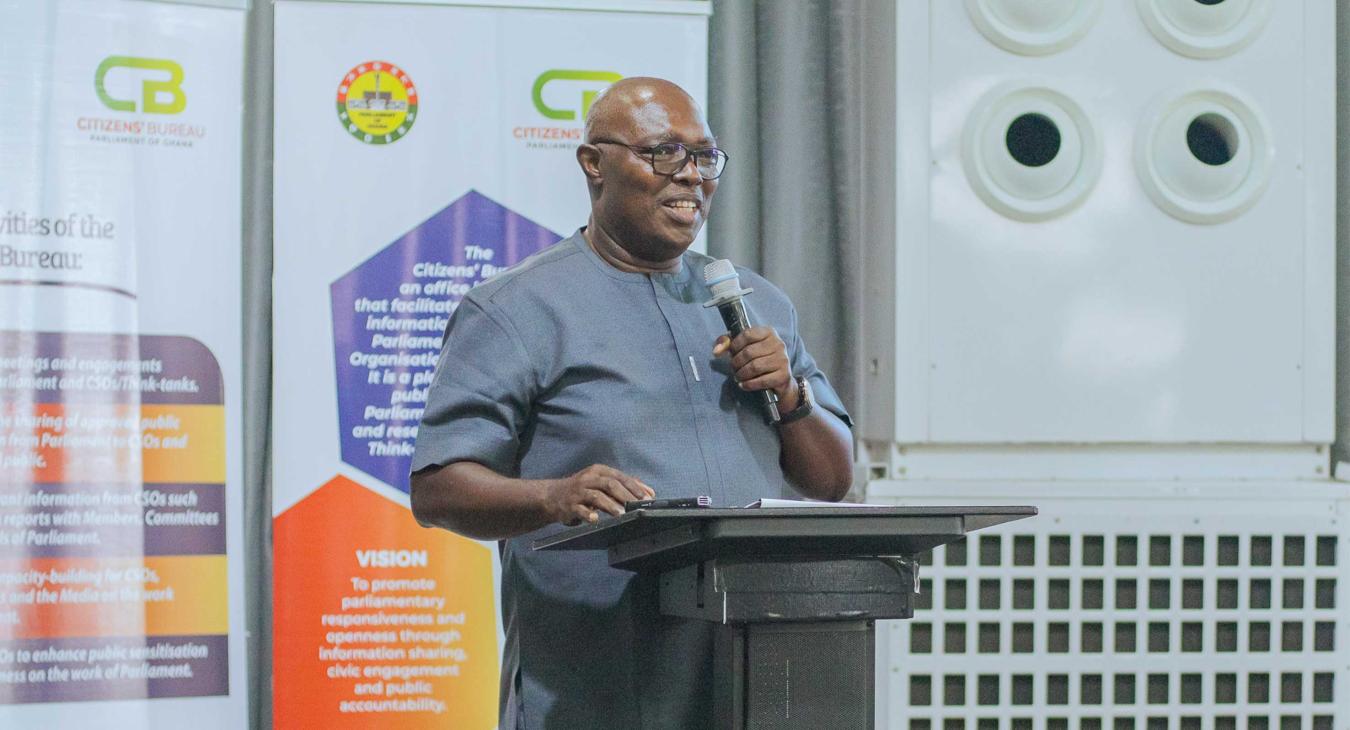
Professor Robert Darko Osei, Director of ISSER, presented these findings during the Institute’s review of the 2026 Mid-Year Budget. He stated that capital expenditure in the first half of 2026 was 41% below target. This shortfall raises serious questions about the pace of implementing major development projects.
The implications are significant for Ghana’s economic outlook. While fiscal consolidation is vital, the government must ensure that infrastructure investment accelerates to support economic growth, create jobs, and improve productivity. Decision-makers will need to find a balance between maintaining fiscal prudence and stimulating crucial sector growth.
The ‘Big Push’ initiative aims to transform Ghana’s infrastructure landscape, including roads, bridges, and other critical facilities. Its slow pace could delay the expected benefits of improved connectivity and enhanced economic efficiency across various sectors.
A sustained period of weak construction growth could also impact related industries, such as manufacturing and services. These sectors often rely on infrastructure development for their own expansion and operational efficiency.
The government’s commitment to fiscal discipline, while commendable for managing public debt, appears to be directly affecting the speed of infrastructure rollout. This creates a dilemma for policymakers who must navigate between short-term financial stability and long-term economic development goals.
Investors and the public will closely watch how the government addresses these concerns. The ability to kickstart the ‘Big Push’ projects without compromising fiscal health will be a key indicator of economic management effectiveness. Future budget reviews and economic reports from institutions like ISSER will provide further insights into this critical balance.