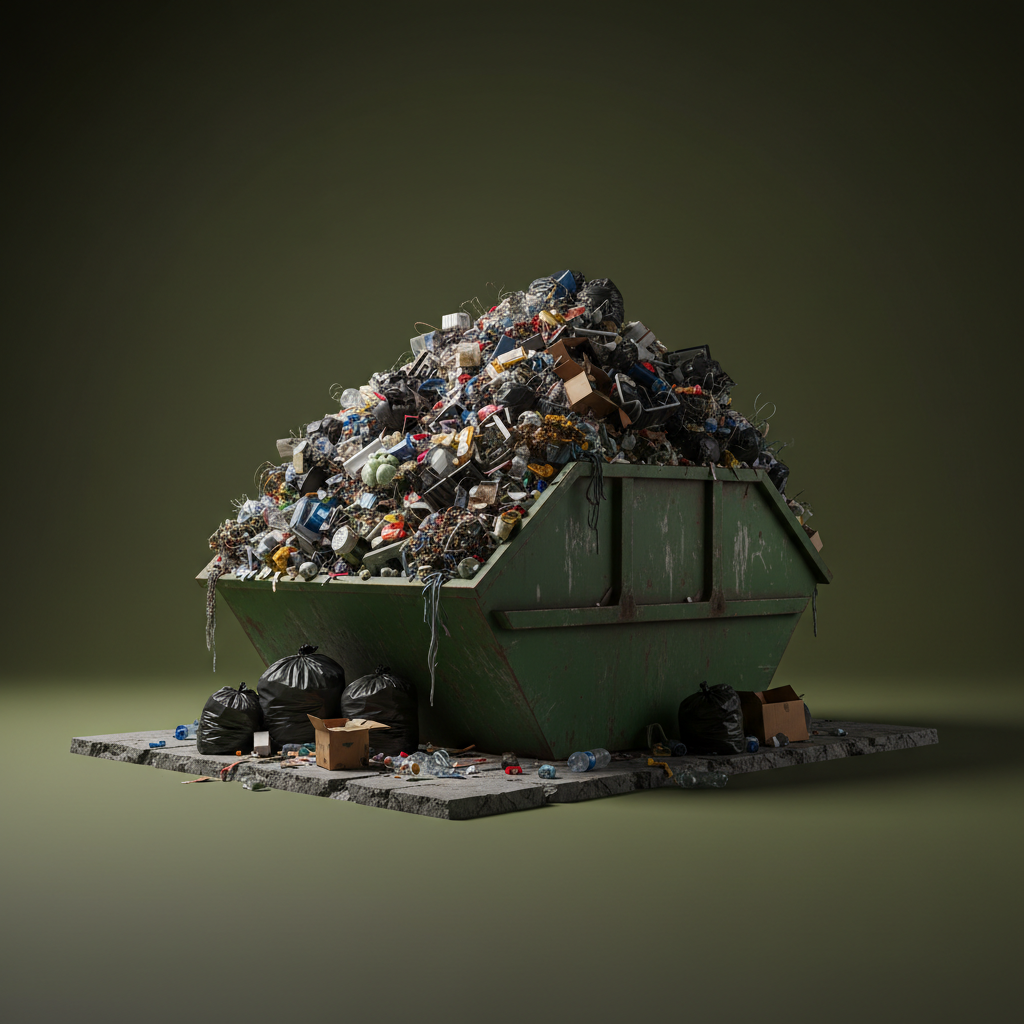
Greater Accra Metropolitan Area generates 4,400 tonnes of waste every day. This significant volume translates to about 1.6 million tonnes annually, according to Ahmed Ibrahim, the Minister for Local Government, Chieftaincy and Religious Affairs.
Mr. Ibrahim has called for increased investment in waste disposal and treatment infrastructure. He warned that Greater Accra's growing population and urbanisation are placing immense pressure on current facilities. This challenge is expected to worsen as daily waste generation is projected to exceed 5,100 tonnes by 2036.
This rising waste volume highlights a critical infrastructure gap in Ghana's most populous region. Efficient waste management is crucial for public health, environmental sustainability, and economic development. The inadequate infrastructure reflects broader challenges in urban planning and resource allocation in Ghana's rapidly growing cities.
Addressing a stakeholders’ dialogue on sustainable solid waste management in Accra, Mr. Ibrahim stated, “A city cannot be considered truly clean if waste is successfully collected from homes, businesses, and markets but encounters challenges at the point of final disposal.” He stressed that the final disposal site forms the foundation of the entire waste management system.
The projected increase in waste underscores the urgent need for modern waste treatment and disposal systems. These systems must be capable of handling future demand. The government aims to strengthen existing waste management facilities and develop additional infrastructure. This will improve efficiency and sustainability across the region.
Improved waste management systems can attract private investment and create new jobs in the circular economy sector. Failure to address this issue could lead to increased public health risks and environmental degradation. Policy makers and market participants will be watching for concrete steps towards infrastructure development and private sector participation. This is vital for managing waste effectively in Greater Accra and beyond.
The current 25 Metropolitan, Municipal and District Assemblies (MMDAs) in the Greater Accra Metropolitan Area face a daunting task. Their ability to manage waste efficiently directly impacts the quality of life for millions of residents. Sustainable funding mechanisms and technological adoption are essential to meet these future demands.
Ghana's rapid urbanisation continues to strain public services, including waste management. This situation presents both a challenge and an opportunity for innovation. Investing in waste-to-energy projects, recycling, and composting facilities could transform waste into valuable resources. These initiatives could also ease the pressure on traditional landfills.