Approximately 16% of legally protected drainage buffer zones across selected assemblies in the Greater Accra Region have been encroached upon. This finding by the Greater Accra Resilient and Integrated Development (GARID) Project highlights a worsening flood risk in the capital, with 10,497 illegal structures identified.
The encroachment stems from a steady increase in buildings within mandatory 25-metre buffer zones on either side of major drains. This surge in illegal developments occurred between 2022 and 2026, despite existing planning regulations prohibiting such construction. The unchecked growth of these structures obstructs the natural flow of stormwater, directly escalating the threat of severe flooding for residents.
This situation directly impacts Ghana's economic stability, particularly within its most populous region. Persistent flooding leads to significant property damage, disrupts businesses, and strains public infrastructure. The costs associated with flood recovery, including lost productivity and emergency services, divert essential public funds from other development initiatives. This recurring issue burdens the national budget and deters potential foreign investment in the Greater Accra Region, impacting the broader economic outlook.
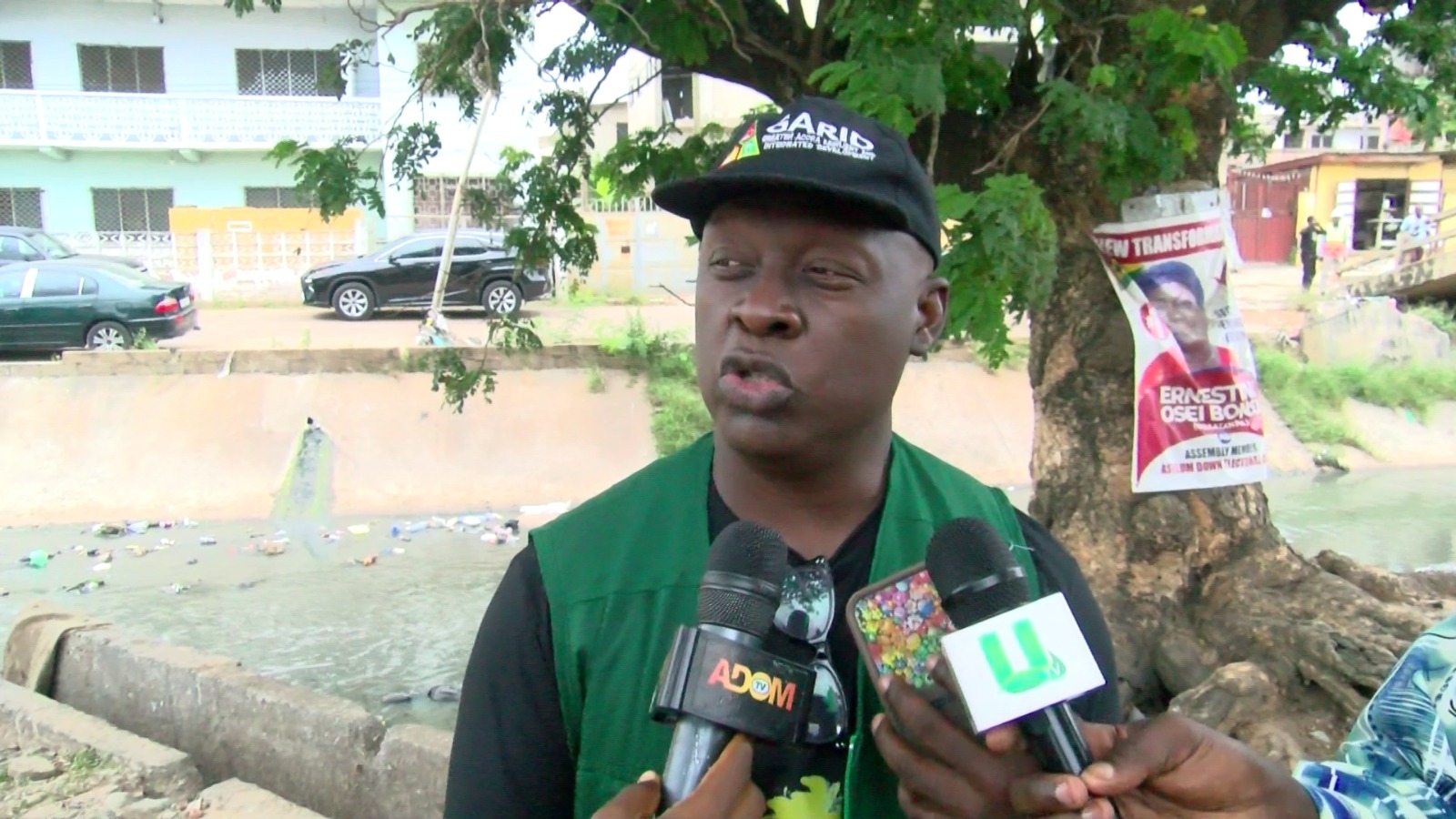
Kojo Ohene Safo, coordinator for the GARID Project and a member of the Post-Flood Mitigation Committee, presented these findings. He warned the growing encroachment obstructs stormwater flow. “When we have the volume of rain that we do, the water doesn’t have a natural path. That will inevitably impact people; it will affect them,” Mr Ohene Safo stated, emphasizing the direct human cost of these developments.
Decision-makers must now address the implications of this pervasive encroachment. Stricter enforcement of planning regulations and potential demolition exercises will likely be considered by local authorities. The continuous increase in illegal structures will compel government investment in more extensive flood control infrastructure. Financial markets and insurance providers will monitor how these risks are managed, potentially influencing property values and investment decisions in flood-prone areas of Greater Accra.
More specifically, several metropolitan, municipal, and district assemblies recorded sharp increases in encroachment. Ayawaso Central saw structures rise from 793 in 2022 to 801 in 2026. Ayawaso East experienced a greater surge, from 337 to 494 structures. Ga Central added 54 structures between 2023 and 2025, bringing its total to 2,329 structures within buffer zones. Other areas like Krowor climbed from 178 to 295 structures, Okai Koi North from 596 to 729, and Ablekuma West from 904 to 1,293. Ga North recorded a substantial increase from 1,049 to 2,261 structures. Ga South increased from 746 to 871 structures, La Dade-Kotopon from 544 to 638, and Adentan from 171 to 214. These figures underscore the widespread nature of the problem across the region's urban landscape.