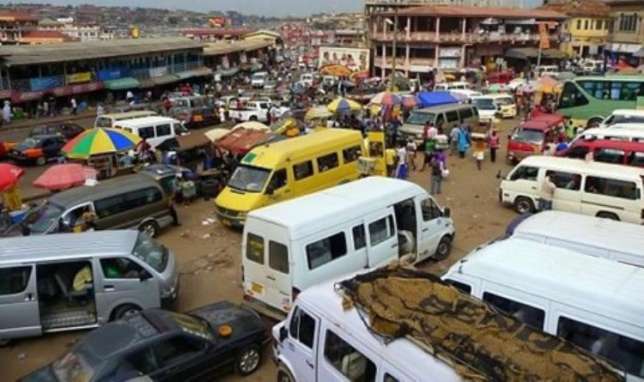
Ghana's transport sector faces renewed pressure for a fare adjustment. The Ghana Private Road Transport Union (GPRTU) is reviewing the impact of recent fuel price increases. This review could lead to new transport fares, affecting millions of commuters.
This situation follows a temporary government intervention last month. The government reduced the regulatory margin on diesel by GHS 2.00 per litre. This action led transport operators to suspend an earlier proposal for a 30.00% fare increase. However, new fuel price projections suggest underlying cost pressures have returned.
This development fits into Ghana's ongoing economic challenges, particularly inflation and currency depreciation. Transport costs are a major component of household budgets and business expenses. Rising fares can fuel broader inflation, known as second-round effects, impacting the prices of goods and services across the economy. The Bank of Ghana closely monitors such indicators.
Samuel Amoah, Deputy Public Relations Officer of the GPRTU, confirmed the union's position. He stated, “We are on standby looking at what will happen at the pump before we take a final decision.” This indicates the union is waiting for actual pump prices to settle before making an announcement.
A new fare increase would directly impact household disposable income. Businesses could also face higher labour and logistics costs. Traders might pass increased transport expenses onto consumers, potentially raising food prices. This creates a difficult balance for policymakers between supporting transport operators and protecting consumers.
The GPRTU's warning comes after the Chamber of Oil Marketing Companies projected petrol prices to rise by 4.80%. Diesel prices are expected to increase by 2.10% from September 1. While LPG prices might decline by about 1.50%, the overall trend for key transport fuels is upward. These projections highlight the persistent volatility in global energy markets and their local impact.
Beyond fuel, operators face higher costs for spare parts, lubricants, and insurance. Licensing and other statutory charges have also increased. Mr. Amoah stressed this broader cost structure. He explained, “Every component that we are using has gone high. Spare parts are very, very high. Lubricants are high. Taxes, insurance, DVLA, all of them have gone high.”
Commercial vehicles operate like small businesses, requiring revenue to cover all these expenses. Imported spare parts are particularly vulnerable to exchange rate movements. This means operating costs can remain high even if fuel prices temporarily stabilise. The GPRTU has an agreement with the government to review fares when fuel price movements exceed a 10.00% threshold.
Mr. Amoah argues that cumulative price changes since the last fare reduction have already surpassed this threshold. He noted, “When we had our 15% reduction and checking where we are now, we have even exceeded close to 40% increment.” This suggests the previous government intervention provided only temporary relief, not a long-term solution.
The debate highlights the difficult balance between protecting commuters and ensuring transport businesses remain viable. Holding fares too low risks undermining vehicle maintenance and the sustainability of transport services. Conversely, a sharp adjustment would immediately increase the cost of living for many Ghanaians. Policymakers will closely watch the GPRTU's decision and its potential ripple effects on inflation and economic stability.