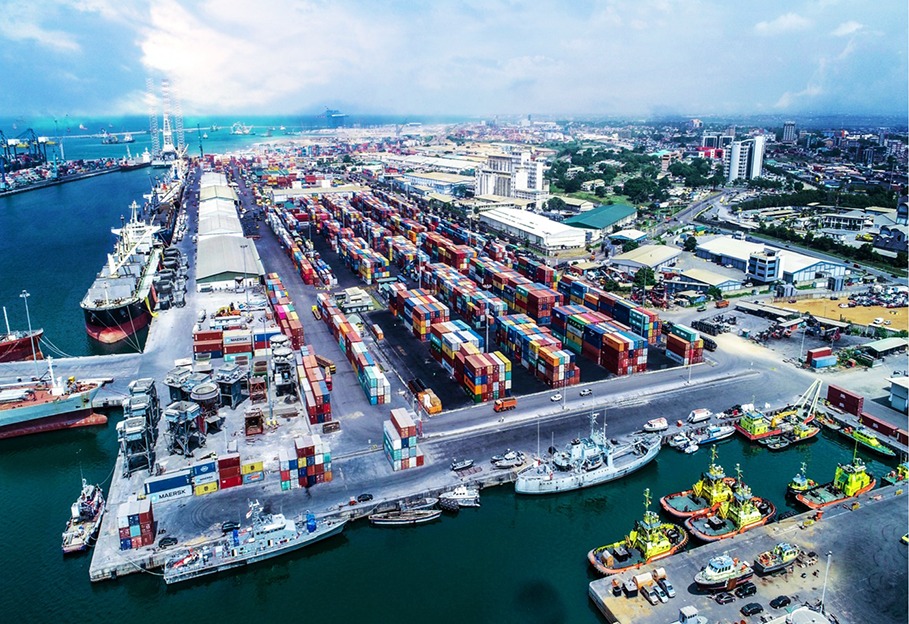
The Ghana Ports and Harbours Authority (GPHA) has initiated a series of urgent operational measures to alleviate growing landside congestion at the Port of Tema. This action aims to restore normal cargo flow and ensure efficient port operations at Ghana's largest seaport.
The congestion has largely resulted from a significant increase in import volumes. A corresponding rise in the export of empty containers has also contributed to the problem. Additionally, increasing road traffic challenges around the port enclave have exacerbated the situation, creating bottlenecks for cargo movement.
This issue is not unique to Ghana; similar congestion-related difficulties are affecting several ports across the West African sub-region. These regional challenges lead to delays in evacuating containers and hinder the movement of both laden and empty containers. The broader context highlights the strain on regional logistics infrastructure due to increased trade activity.
The GPHA has activated enhanced operational interventions and placed all relevant stakeholders on heightened operational alert. These measures are being implemented in close collaboration with shipping lines and terminal operators. The goal is to improve cargo movement and maximize available terminal capacity.
Key interventions include efforts to accelerate the evacuation of empty containers through increased vessel calls. The GPHA will also strengthen container transfer operations and deploy additional trucks. Furthermore, the authority plans to improve the handling and storage of empty containers and optimize yard and traffic management systems within the port.
These measures are designed to reduce congestion, improve efficiency, and ensure the uninterrupted flow of international trade through Ghana's primary maritime gateway. The GPHA has appealed to importers, clearing agents, and cargo owners to expedite the clearance and evacuation of their consignments from the port. Prompt removal of cargo is crucial for creating additional space within terminals.
Expeditious cargo evacuation remains essential to easing pressure on terminal space. It also supports the continuous flow of trade through the port. The GPHA is closely monitoring developments and will continue to implement necessary interventions to address the situation. The authority aims to restore normal operating conditions as quickly as possible.
The GPHA expressed appreciation to the trading community and the general public for their patience, cooperation, and understanding during this period of congestion. The authority reiterated its commitment to maintaining a safe, efficient, and competitive port system. This system is vital for supporting Ghana's international trade ambitions and broader economic growth objectives.