Ghana’s government will invest GHS 2.8 billion into secondary school infrastructure. This funding comes from the US$300 million STARR-J facility. The investment aims to improve facilities and expand access to education across the country.
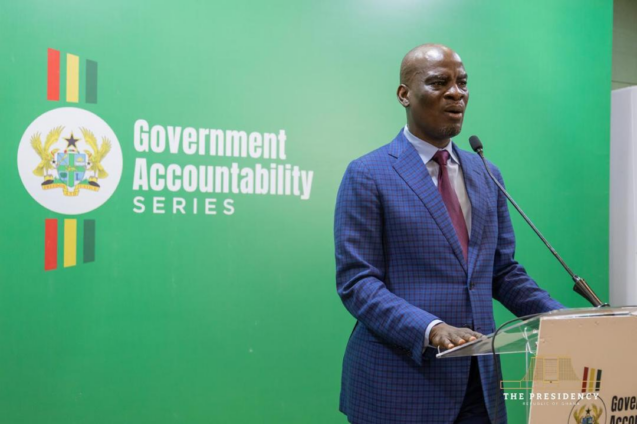
The Education Minister, Haruna Iddrisu, confirmed this allocation. He stated that part of the facility will also strengthen quality assurance. It will further provide essential textbooks to schools. Minister Iddrisu directed officials to ensure open and competitive procurement for all projects.
This investment addresses a critical need within Ghana’s education system. An Auditor-General’s report highlighted that 10,700 public basic schools lack adequate classroom infrastructure. These schools serve over 3 million pupils across 13 regions. The government's focus on secondary education infrastructure complements efforts to improve foundational learning outcomes. This includes literacy and numeracy skills.
Education Minister Haruna Iddrisu stressed the importance of foundational learning. He called it a gateway to educational success. He also noted the irony of focusing on free secondary education while basic education still faces significant challenges. The 1992 Constitution guarantees free, compulsory, and universal basic education. This constitutional mandate underscores the urgency of these interventions.
The government’s commitment to education aligns with broader economic development goals. A skilled workforce is crucial for Ghana’s growth. Investments in education infrastructure and quality directly support human capital development. This can lead to increased productivity and innovation. The Ghana Accountability for Learning Outcomes Project (GALOP) previously identified 10,579 low-performing basic schools. These schools received targeted funding and technical assistance. This demonstrates a data-driven approach to educational investment.
Minister Iddrisu also announced plans to integrate stronger digital and technical components. These will be part of the revised curriculum from kindergarten to Primary Six. Pupils will learn robotics, coding, electronics, and artificial intelligence. This initiative prepares students with skills relevant for the modern economy. The Ghana Education Service will complete its review before submission to Cabinet.
This significant investment will likely improve learning environments for many students. It could also boost enrollment rates in secondary schools. Stakeholders will closely monitor the transparent implementation of these projects. The focus on foundational learning and digital skills signals a forward-looking educational strategy. This strategy aims to equip Ghana’s youth for future economic challenges and opportunities.