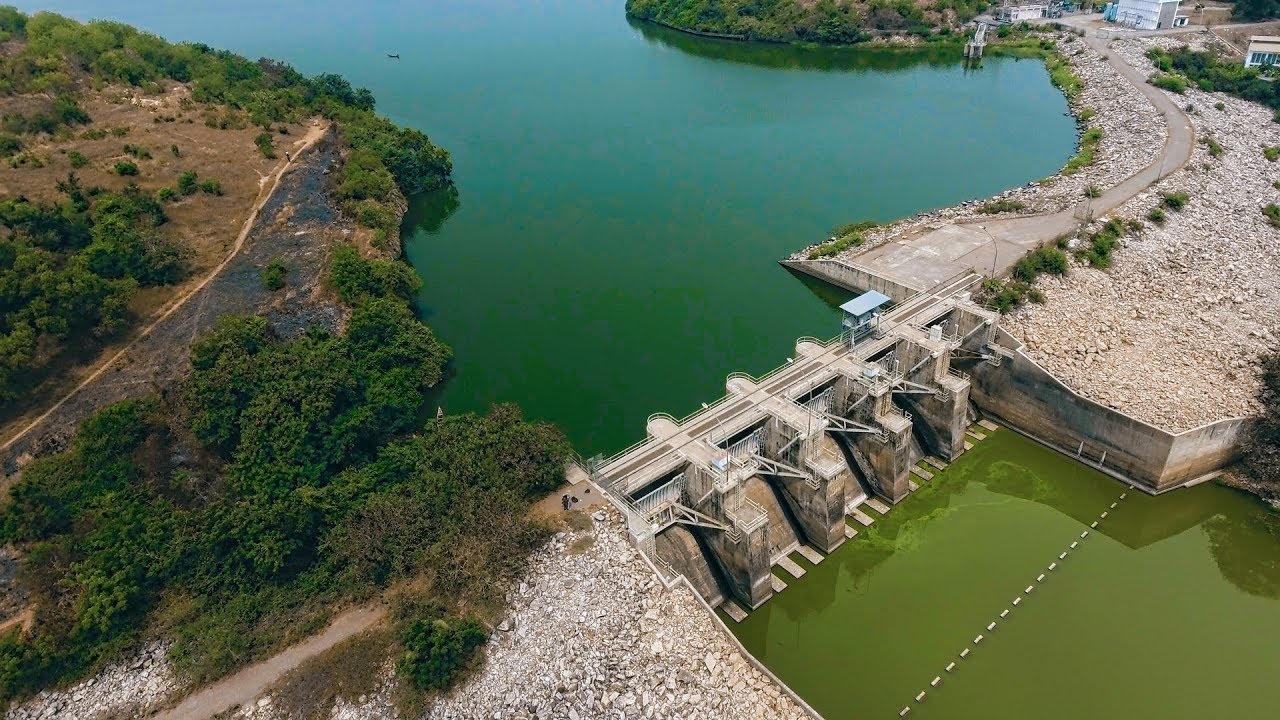
A GHS 4.2 billion (USD 350 million) flood control project will begin in December 2026. This project aims to stop the regular flooding from the Weija Dam. It will protect many communities downstream from the dam's water releases. The initiative, called the Dam Spillage Flood Control (DSFC) Project, is set to finish by December 2028.
This major infrastructure effort will build a high-level reinforced concrete canal. This canal will stretch from the Weija Dam to the Atlantic Ocean. It will include a permanent estuary, a natural opening where a river meets the sea. The project also includes developing inner town roads in Tetegu. These measures are designed to channel excess water directly into the ocean, preventing it from flooding residential areas.
The Weija Dam's spillage has caused significant economic disruption and displacement for years. This new project offers a long-term solution to this recurring problem. The government has previously spent funds on emergency relief and temporary measures. This GHS 4.2 billion investment reflects a shift towards permanent flood mitigation. It aligns with Ghana's broader infrastructure development goals. These goals aim to improve resilience against climate change impacts.
Mr. Emmanuel Larbi, Chief Executive Officer of Hi-Limit Group, confirmed the project's scope. He stated, "We will make sure that the canal will follow the pattern of the natural waterways into the sea, so that it doesn't affect the residents in any way." He added that the project developers have engaged local communities. Residents have expressed support for the initiative. Mr. Larbi also assured that the project would not involve demolitions.
The project's funding structure combines private and public contributions. Hi-Limit Group has secured GHS 3.9 billion (USD 325 million) from its financial partners in the United States. The Weija-Gbawe Municipal Assembly will provide GHS 300 million (USD 25 million) in counterpart funding. This will come from internally generated funds and a canal levy. The United Bank for Africa Ghana (UBA) will manage these funds. This dual funding approach highlights a growing trend of public-private partnerships in Ghana's infrastructure sector. It reduces the direct financial burden on the government.
Communities like Tetegu, Oblogo, Weija Old Town, and New Weija will directly benefit. Other areas include Sampah Valley, Bortianor, Ashalaja, and Glefe. These communities have often faced severe property damage and health risks from the floods. The project's completion is expected to boost local economic activity. It will also improve the safety and livelihoods of thousands of residents. The China Railway Construction Engineering Group is the General Engineering, Procurement and Construction (EPC) Contractor. This brings international expertise to the project. Feasibility studies and an Environmental and Social Impact Assessment are currently underway. These steps ensure the project meets environmental standards and community needs.