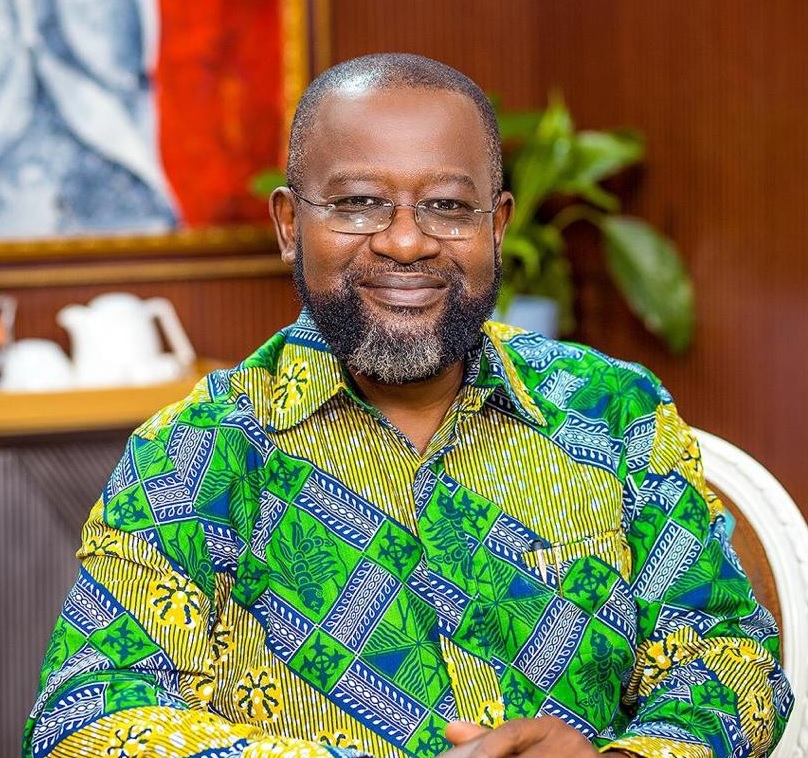
Kwame Jantuah, a prominent member of the Convention People’s Party (CPP), has called for a comprehensive overhaul of Ghana’s transport infrastructure. He stated that addressing the nation's transport challenges requires more than temporary fuel price reductions, advocating for expanded road networks and improved public transport systems.
Mr. Jantuah’s remarks came during a discussion on the GTV Breakfast Show on September 2, 2026. This discussion followed the government’s extension of a GHS 2 diesel relief. He argued that the fundamental issues within Ghana's transport sector are deeply linked to the condition and capacity of its road infrastructure. He stressed that a broader, more strategic approach is essential for sustainable solutions.
Ghana’s economic growth and productivity are heavily reliant on an efficient transport network. Persistent traffic congestion, particularly in urban centers like Accra, costs the economy millions of cedis annually in lost productivity and increased fuel consumption. The current state of infrastructure often hinders the smooth movement of goods and people, impacting various sectors from agriculture to commerce. This situation underscores the urgent need for significant investment and strategic planning in the transport sector, moving beyond short-term interventions.
“I don't know what the Transport Minister is doing with regards to our transport system, because I think it also has a lot to do with the kind of roads we have in this country,” Mr. Jantuah stated. He specifically questioned the capacity of key ceremonial roads, such as the stretch from 37 Military Hospital to the National Theatre. He asked whether such routes could be expanded to include more lanes, potentially dedicating one to public transport to ease congestion.
The CPP member also raised critical questions about the feasibility of executing major infrastructure projects within a government's four-year term. He suggested that the limited tenure often poses a challenge to the completion of long-term projects. Mr. Jantuah proposed considering alternative solutions like overpasses in areas where road expansion is not practical. He further emphasized the importance of project continuity across different political administrations. He cited former President Mahama’s continuation of some projects initiated by the previous New Patriotic Party (NPP) government as a positive example. This continuity ensures that national projects are treated as long-term priorities, rather than being abandoned with changes in government.
Addressing Ghana’s transport woes will require substantial financial commitment and strategic foresight. The government must consider innovative funding mechanisms, potentially including public-private partnerships, to finance large-scale infrastructure developments. Such investments would not only alleviate current transport bottlenecks but also stimulate economic activity and create employment opportunities. Improved infrastructure can also enhance Ghana’s attractiveness for foreign direct investment, as efficient logistics are crucial for businesses.
Decision-makers and market participants will closely monitor the government's response to these calls for broader infrastructure investment. A shift from short-term relief measures to long-term strategic planning could significantly impact Ghana’s economic outlook. Investors will look for clear policy directions and concrete project timelines. The public, particularly commuters and businesses, will also keenly observe any tangible improvements in the transport system. The effectiveness of future transport policies will be measured by their ability to reduce travel times, lower operational costs for businesses, and improve overall connectivity across the country.
The call for expanded road networks and dedicated public transport lanes highlights a critical need for urban planning reform. Cities like Accra are experiencing rapid population growth, which exacerbates existing infrastructure deficits. Implementing smart traffic management systems and investing in modern public transport fleets could complement road expansion efforts. These measures would contribute to a more efficient, environmentally friendly, and equitable transport system for all Ghanaians. The long-term economic benefits of such integrated planning far outweigh the costs of continued congestion and inefficiency.
Ultimately, the success of Ghana’s transport sector reforms will depend on political will and sustained commitment. Treating infrastructure projects as national priorities, rather than partisan endeavors, is crucial for their successful implementation and long-term impact. This approach would ensure that projects continue regardless of changes in government, providing stability and predictability for both local and international partners. The focus must remain on creating a robust and resilient transport system that supports Ghana’s development aspirations for decades to come.