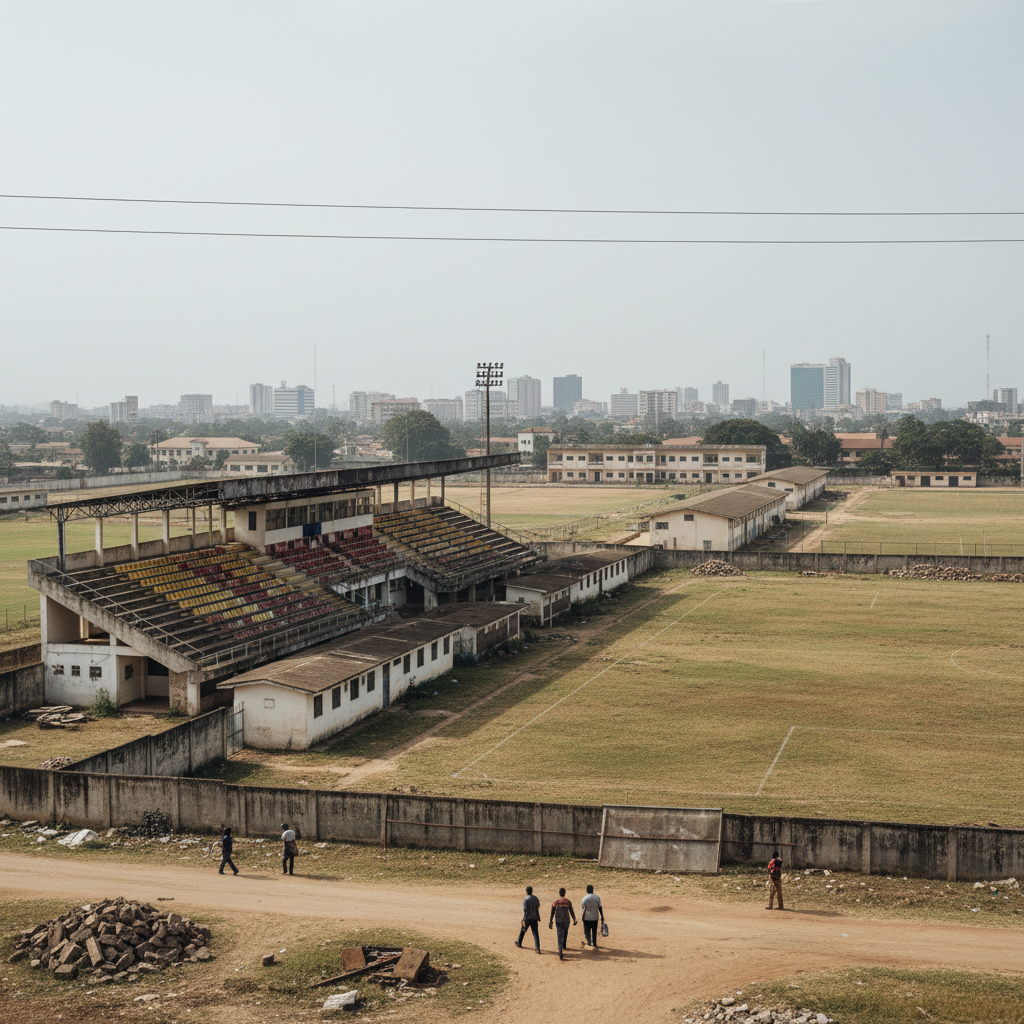
Ghana's major stadiums still suffer from poor pitches, outdated equipment, and irregular maintenance, nearly two decades after the country first qualified for the FIFA World Cup in 2006. This neglect persists despite Ghana benefiting from substantial prize money, sponsorships, and broadcasting revenues since then. National Sports Authority Director-General Yaw Ampofo Ankrah highlighted the systemic issue, arguing that the focus should shift from blaming groundskeepers to addressing the long-standing infrastructure deficit.
This crisis stems from a lack of consistent investment and a reactive approach to facility upkeep. Stadiums are often only repaired in haste when important matches or tournaments approach, rather than through continuous, planned maintenance. This short-sighted strategy impacts player safety, performance, and Ghana's ability to host international competitions effectively. The broader economic implications include missed opportunities for job creation and national development that robust infrastructure investment would provide.
The issue resonates deeply within Ghana's economic narrative, where infrastructure development remains a critical driver for growth. The Organisation for Economic Co-operation and Development (OECD) identified infrastructure investment in 2020 as a key factor for economic growth and job creation. Ghana's underinvestment in sports facilities mirrors broader challenges in public spending priorities and long-term planning. The country has benefited from significant football-related income, yet this revenue has not translated into sustainable sports infrastructure.
Belinda Plange, a Sport and Exercise Scientist, stated on MyJoyOnline News that the outrage over poor stadium conditions is misdirected. She emphasized that groundskeepers work with limited resources, highlighting that the real crisis is Ghana's long-standing neglect. Plange advocated for a long-term national strategy to protect and maintain sporting facilities year-round. She suggested a dedicated Sports Infrastructure Fund, supported by international football revenue, government investment, and public-private partnerships, to provide a sustainable solution.
Moving forward, the focus will be on establishing such a fund to ensure continuous maintenance and upgrades. This initiative could unlock significant economic benefits, including creating numerous jobs in construction and facility management. It will also improve the quality of sports and potentially attract more international sporting events to Ghana. Decision-makers must prioritize this investment to ensure Ghana transitions from temporary fixes to a sustainable infrastructure model.