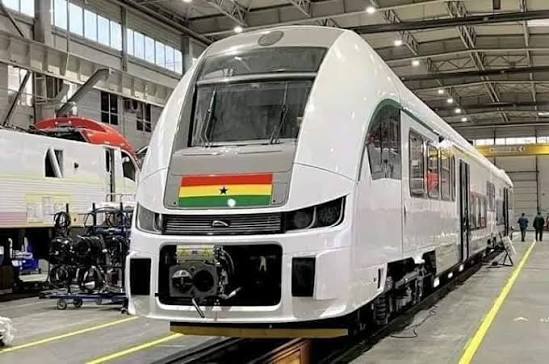
Ghana secured a €20 million (GHS 261 million) grant from the European Union to modernize the Tema–Mpakadan standard-gauge railway line. This funding aims to unlock the line's freight capacity, improve safety levels, and support Ghana's ambition to become a regional logistics hub.
The Ghana Railway Development Authority will receive these funds. They will finance the installation of the European Train Control System Level 1. This advanced digital signalling system will allow more trains to operate safely and efficiently. Currently, restricted train movements limit service frequency and cargo volumes on the line.
This investment is crucial for Ghana, which has invested heavily in transport infrastructure. The country needs to ensure these investments yield significant economic returns. The Tema–Mpakadan railway connects the strategic Port of Tema. It can move cargo more efficiently into inland markets, making it a vital project.
The upgrade plans expect to improve train control and enhance the safety of both passengers and cargo. It will also increase operational reliability and expand the railway’s capacity to carry goods. Policymakers anticipate a shift of freight from roads to rail as a result. This shift will reduce pressure on highways, cut road maintenance costs, and improve overall cargo movement efficiency from the port.
This EU grant takes the form of non-debt financing, which is especially important for Ghana. The country is currently managing a debt restructuring program and implementing fiscal reforms. Grant financing allows critical infrastructure upgrades without adding to the nation's sovereign debt burden. This distinction is significant for public finances.
Infrastructure development needs remain high in Ghana, but the country’s financial resources are limited. Concessional and grant-based support for projects like this help Ghana invest in growth-enhancing infrastructure. At the same time, it helps maintain crucial debt discipline.
The Tema–Mpakadan line represents the first phase of the proposed Ghana–Burkina Faso railway corridor. This broader regional transport project aims to connect the Port of Tema to Burkina Faso. This connection will deepen trade links across West Africa.
An efficiently operated corridor could support regional integration under the African Continental Free Trade Area. It would improve the movement of goods between coastal and landlocked markets. For Burkina Faso and other inland economies, improved rail connectivity will offer a more efficient route for imports and exports. For Ghana, it will strengthen its position as a transit gateway and logistics hub for the sub-region.
The signalling upgrade transforms a major rail asset into a commercially viable transport corridor. Private sector entities, including shipping lines, freight forwarders, importers, and exporters, need reliability. Businesses will only choose rail over road if it offers predictable schedules, safe cargo handling, efficient port coordination, and competitive pricing.
The European Train Control System Level 1 installation aims to provide this reliability. It will improve train movement management, reduce operational risks, and support more regular services. This will make the railway more appealing for bulk cargo and containerised goods. These goods currently rely heavily on road transport. This investment also supports Ghana's industrial policy. The country's long-term goal to expand manufacturing, agro-processing, and export-oriented production depends on reducing transport bottlenecks. High logistics costs can reduce competitiveness and raise consumer prices.