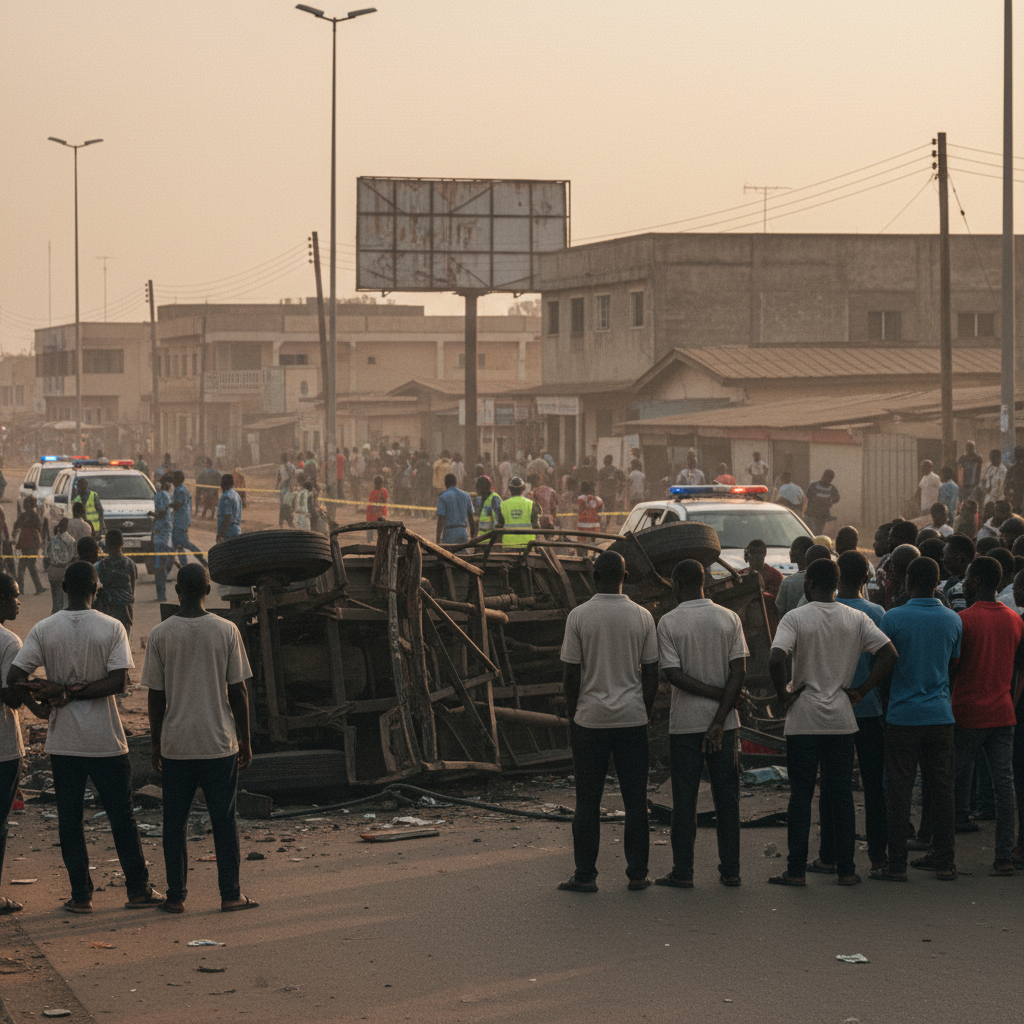
Men account for 80% of all road crash deaths in Ghana, according to the Ghana Institution of Engineering (GhIE). This stark figure highlights a critical public safety and economic challenge facing the nation. The GhIE's Public Accountability Committee member, Ing. Dr Charles Kwarteng Asafo-Adjei, revealed this concerning statistic.
This high proportion of male fatalities is particularly troubling because many victims are economically active individuals. Their deaths create significant social and financial burdens for families and the broader economy. The trend has worsened, with daily road crash deaths now averaging eight, compared to six deaths per day between 2001 and 2003.
The GhIE recently rated Ghana's road safety infrastructure at an 'E2'. This rating places road safety among the country's weakest-performing infrastructure areas. The assessment underscores systemic issues within Ghana's transport network and regulatory framework. This situation impacts public health, economic productivity, and the overall well-being of Ghanaian communities.
Ing. Dr Charles Kwarteng Asafo-Adjei emphasized the need for data-driven solutions. He stated, “Most males are dying. About 80 per cent of the people who are dying are male.” He urged authorities to use hospital and crash data to pinpoint accident-prone areas. Such targeted analysis can inform effective safety measures and resource allocation. This approach moves beyond general interventions to address specific high-risk locations and behaviors.
The implications of these findings are far-reaching. The high fatality rate, especially among men, strains healthcare facilities and reduces the national workforce. Hospitals face increased pressure from crash survivors who often suffer serious injuries or permanent disabilities. Decision-makers must prioritize stronger enforcement of traffic regulations and sustained public education campaigns. Tighter control of vehicles and motorcycles in high-risk areas is also crucial. These actions are essential to reverse the alarming trend and improve road safety for all Ghanaians. The economic cost of these crashes, including lost productivity and healthcare expenses, demands immediate and comprehensive policy responses. Without decisive action, Ghana risks further economic and social setbacks from preventable road fatalities.