The Importers and Exporters Association of Ghana (IEAG) has called for urgent intervention to address worsening congestion at the nation's ports. This critical appeal aims to prevent a full-blown crisis with severe consequences for Ghana's trade and economy.
The IEAG specifically requested the Chief of Staff to lead this intervention. They highlighted that the current bottlenecks threaten Ghana's trade competitiveness and government revenue mobilisation. The Association believes a high-level delegation is necessary to tackle the systemic issues.
This situation fits into a broader narrative of infrastructure challenges affecting Ghana's economic growth. Efficient port operations are vital for a trading nation like Ghana, which relies heavily on imports and exports. Previous reports have often pointed to inefficiencies as a drag on business costs and investment attractiveness.
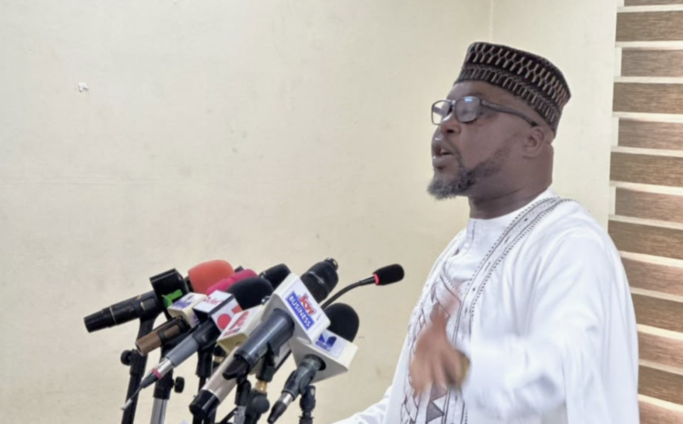
Mr. Samson Asaki Awungobit, Executive Secretary of the IEAG, made this call at a press conference on Monday. He stated that preliminary assessments show the congestion is not due to a single factor. Instead, it stems from systemic problems across various port operations and agencies.
The IEAG warns that without decisive action, the situation will worsen as the country approaches the final quarter of the year. This period includes the busy December peak trading season. Increased cargo dwell time, storage, and demurrage liabilities will further undermine port efficiency.
The Association's assessment identified issues in customs valuation, examination processes, and inspection protocols. Regulatory charges and terminal operations also contribute to the bottlenecks. Truck turnaround times and inter-agency coordination were cited as significant problems.
Mr. Awungobit stressed that isolated engagements between individual agencies are insufficient. He argued for a high-level inter-ministerial intervention. This approach would ensure a comprehensive stakeholder engagement and an immediate action plan.
The IEAG proposed that the Chief of Staff convene ministers from Finance, Trade, Agribusiness and Industry, and Transport. Heads of relevant port and regulatory agencies should also be part of this delegation. Their collective effort would address the multifaceted nature of the problem.
The Association also called for measurable port performance targets. These targets should include maximum turnaround times for examinations and valuation disputes. Regulatory inspections, truck processing, and cargo release times also need clear benchmarks.
The IEAG emphasized accountability for every agency operating within the port ecosystem. Each agency must be responsible for the time its process adds to the clearance chain. This measure aims to streamline operations and reduce delays.
Ghana's economy, which saw a GDP growth of 3.2% in Q2 2026, depends on robust trade infrastructure. Inefficient ports can inflate import costs and reduce export competitiveness. This directly impacts businesses and consumers across the country.
The call for intervention underscores the critical link between port efficiency and national economic health. A well-functioning port system is essential not only for generating revenue but also for facilitating trade efficiently. It must also be predictable and competitive.
The government's response to this urgent call will be closely watched by businesses and investors. Effective resolution of port congestion could significantly boost Ghana's economic outlook. Failure to act could lead to higher costs and reduced trade volumes.
This situation highlights the need for continuous investment in port infrastructure and digital solutions. Modernizing customs procedures and improving inter-agency collaboration are also crucial. These steps can ensure Ghana's ports remain competitive in the region.
The IEAG's warning serves as a critical reminder of the economic vulnerabilities tied to logistical bottlenecks. Addressing these issues promptly is paramount for sustaining Ghana's economic momentum and safeguarding its trade interests.