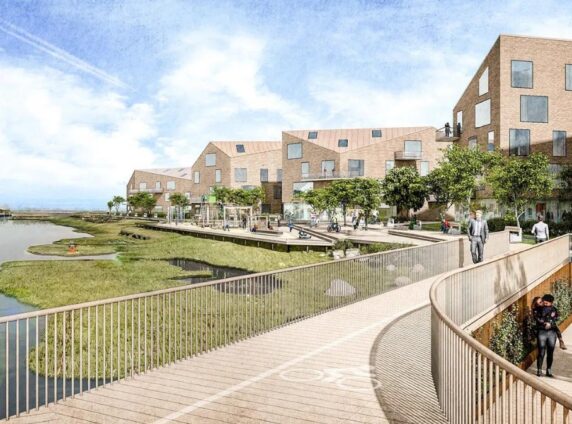
Ghana must embrace modern multi-storey apartment buildings as a long-term urban planning strategy. This shift can significantly reduce the nation's persistent urban flooding problems. This housing model aims to develop cities by building upwards instead of outwards.
The current flood crisis stems from unplanned settlements and construction on natural waterways. These issues have turned many communities into high-risk zones. Adopting vertical development can preserve crucial land for drainage infrastructure, green spaces, and vital wetlands. This strategy moves away from the widespread detached housing that consumes vast stretches of land.
Ghana’s rapid urbanisation has led to the destruction of natural flood control systems. Rivers, streams, and floodplains are often encroached upon by new developments. Countries like Singapore, the Netherlands, and Japan successfully used multi-storey buildings to accommodate growing populations. This high-density approach reduces pressure to build on environmentally sensitive areas. It allows for the preservation of essential natural drainage channels.
Multi-storey developments also bring opportunities for flood-resilient designs. Many modern apartment complexes build living spaces above elevated foundations. Ground floors are often reserved for parking or commercial uses that can withstand occasional flooding. Critical infrastructure like electrical systems are also placed above potential flood levels. This design minimises damage during heavy rainfall events.
These developments can also incorporate advanced stormwater management systems. Features like underground storage tanks, rainwater harvesting, and permeable pavements reduce runoff. Such systems lessen the burden on public drainage networks. They also integrate green spaces, which act as natural sponges to absorb rainfall and cool urban environments. This contrasts with covering every available plot with concrete.
Higher-density housing also improves the efficiency of public infrastructure delivery. Services like water supply, sewerage, and electricity become more cost-effective to provide. This concentration allows governments to invest in better quality services that are easier to maintain. It avoids the challenges of extending infrastructure across sprawling, low-density developments.
Urban sprawl in Ghana currently converts valuable agricultural land into residential areas. Encouraging vertical development helps preserve this land. This strengthens food security and accommodates population growth more sustainably. While requiring higher initial investment, shared amenities can make multi-storey living more economical over time for households.
For this model to succeed, Ghana must update its urban planning framework. Building regulations also need modernisation. Future apartment developments should include elevated foundations and robust stormwater systems. They must also incorporate green roofs and sufficient parking. Strict enforcement of these planning regulations will be crucial to prevent uncontrolled development. This modernisation will make Ghana's cities more resilient to climate change impacts.