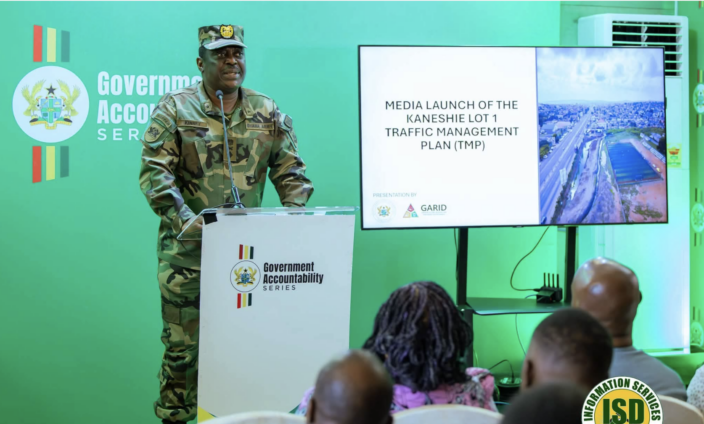
The Ghana Armed Forces has significantly intensified its sanitation, dredging, and environmental restoration operations across the Greater Accra Region. This coordinated effort aims to improve drainage systems and reclaim critical flood retention infrastructure. Brigadier General Richard Kinney, Commander of the 15 Engineer Brigade, confirmed these extensive activities.
The military's programme involves several key actions. These include dredging retention ponds, demolishing illegal structures, removing waste materials, and restoring degraded water bodies. These measures are crucial for addressing Accra's persistent flooding issues, which are often caused by inadequate drainage and indiscriminate waste disposal. The operations are designed to enhance the region's capacity to manage heavy rainfall.
Greater Accra consistently faces severe flooding during heavy rains. This problem stems from inadequate drainage capacity, widespread waste disposal, and silted drains. Retention ponds and lagoons are vital components of the region’s flood management infrastructure. They temporarily store excess runoff during downpours. However, urban expansion, illegal dumping, and unauthorized developments have severely compromised many of these facilities. This military intervention directly tackles these long-standing challenges.
Brigadier General Kinney disclosed these details during the Government Accountability Series. He stated that the Army has already completed demolition works and begun dredging at the Tessa Dam on Boundary Road. This work aims to improve water retention capacity and drainage flow. Dredging operations have also concluded in Oyarifa, with equipment soon moving to Abokobi and Teiman for similar retention pond works. The exercise will then proceed to Damfa in the La Nkwatanang Madina Municipality to strengthen flood mitigation infrastructure.
Significant attention is currently focused on the Lafa Basin retention pond at Mallam. The Army is removing large quantities of solid waste from this facility. Portions of the retention area had been filled, covered, and compacted, allegedly for conversion to other uses. Excavation works have commenced, and the waste will be transported to Nsawam for proper disposal. This operation is a collaborative effort with the Jospong Group of Companies through Zoomlion Ghana Limited, which provides specialized equipment. The operation runs 24 hours a day, with excavation during the day and haulage at night to leverage lighter traffic conditions. About 20 heavy-duty trucks will transport excavated materials from Mallam to Nsawam.
Beyond Mallam, the sanitation campaign will extend to the Kpeshie Lagoon area at Laboma. Reports indicate that portions of this lagoon have been filled with waste and encroached upon. The intervention will involve removing deposited materials and restoring affected sections of the wetland ecosystem. Collaboration with relevant state agencies will support the re-establishment of mangrove vegetation in the area. The next phase of the operation will cover the Sango Lagoon, located between Teshie and Nungua, another important retention area slated for restoration. These ongoing interventions are part of a broader effort to protect drainage infrastructure, reclaim ecologically sensitive areas, and improve environmental sanitation across the Greater Accra Region. Authorities have issued notices to occupants in affected locations and are proceeding with enforcement measures where necessary. Individuals seeking compensation for affected properties have been asked to provide documentation to establish ownership claims, though none have been presented so far.